
Last updated November 16, 2026
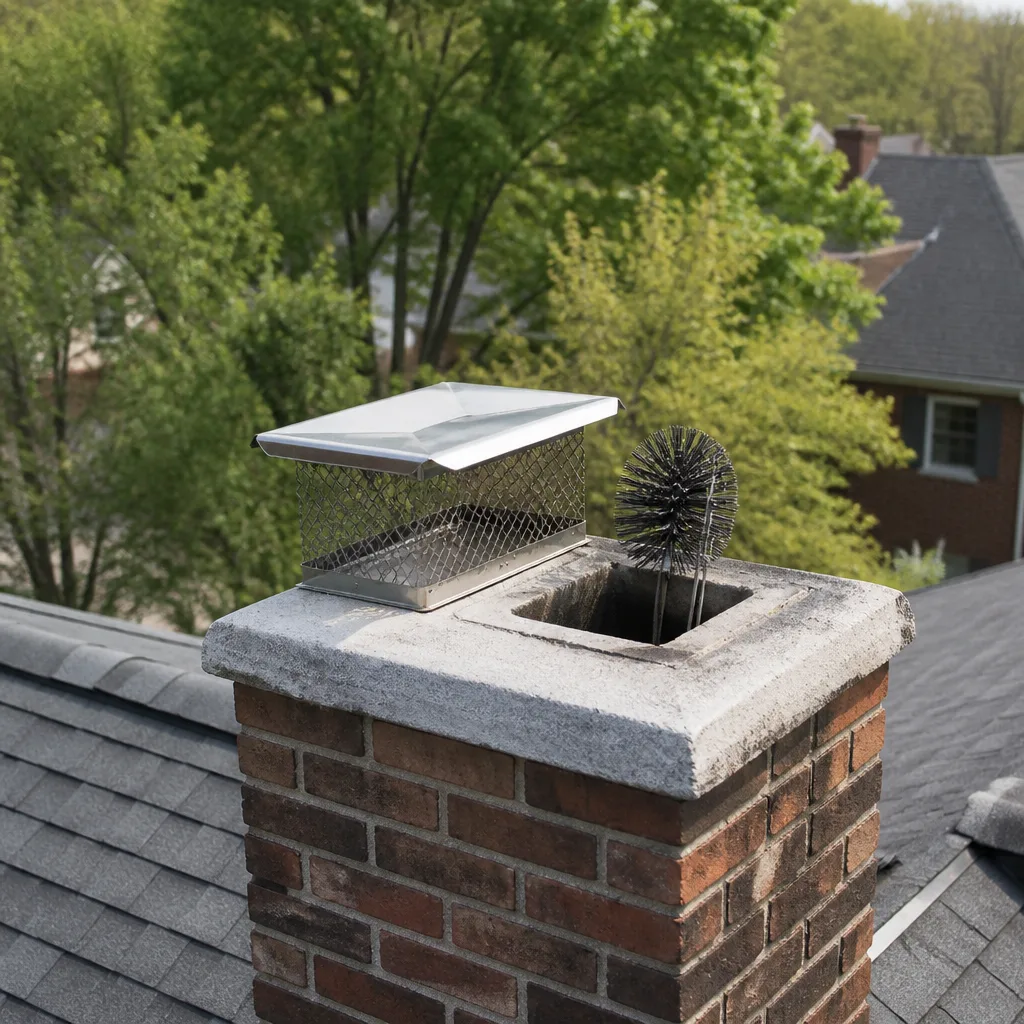 Sweep & inspection
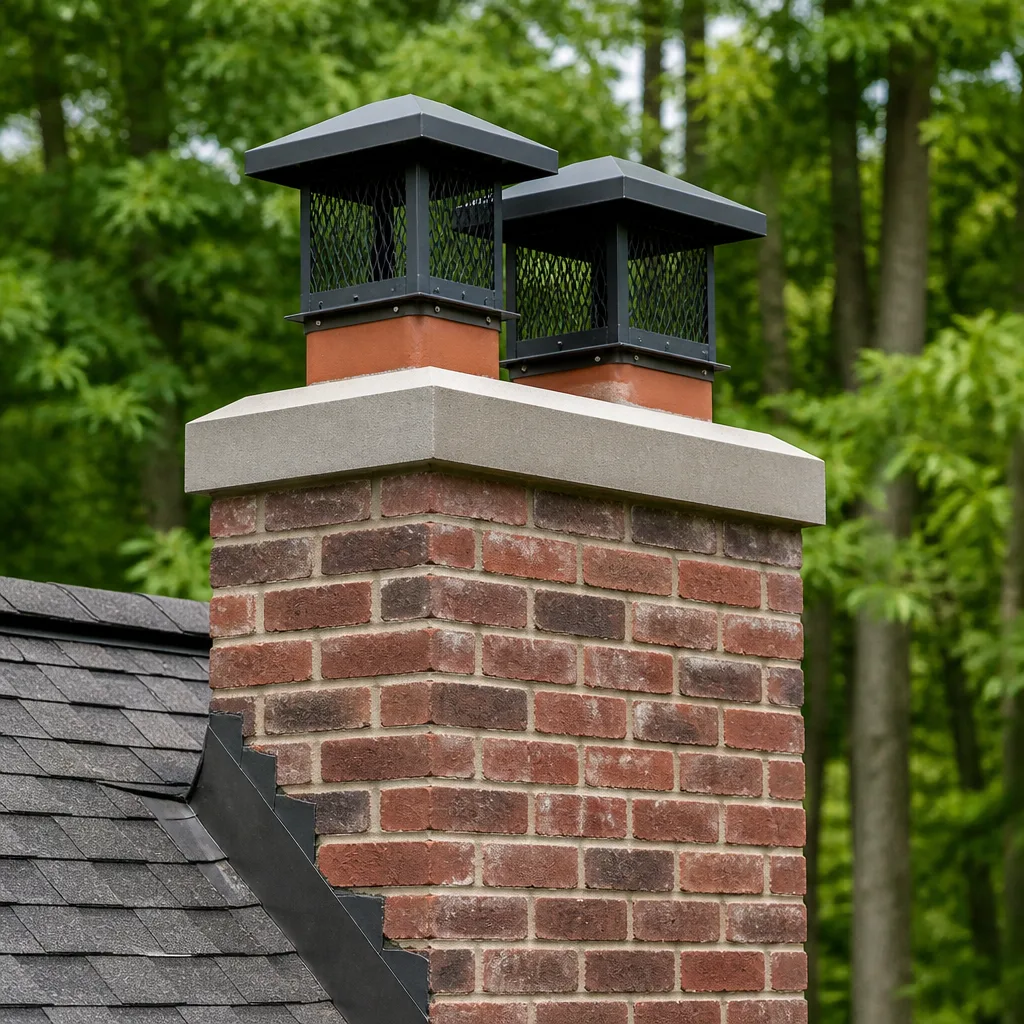 Caps & crowns
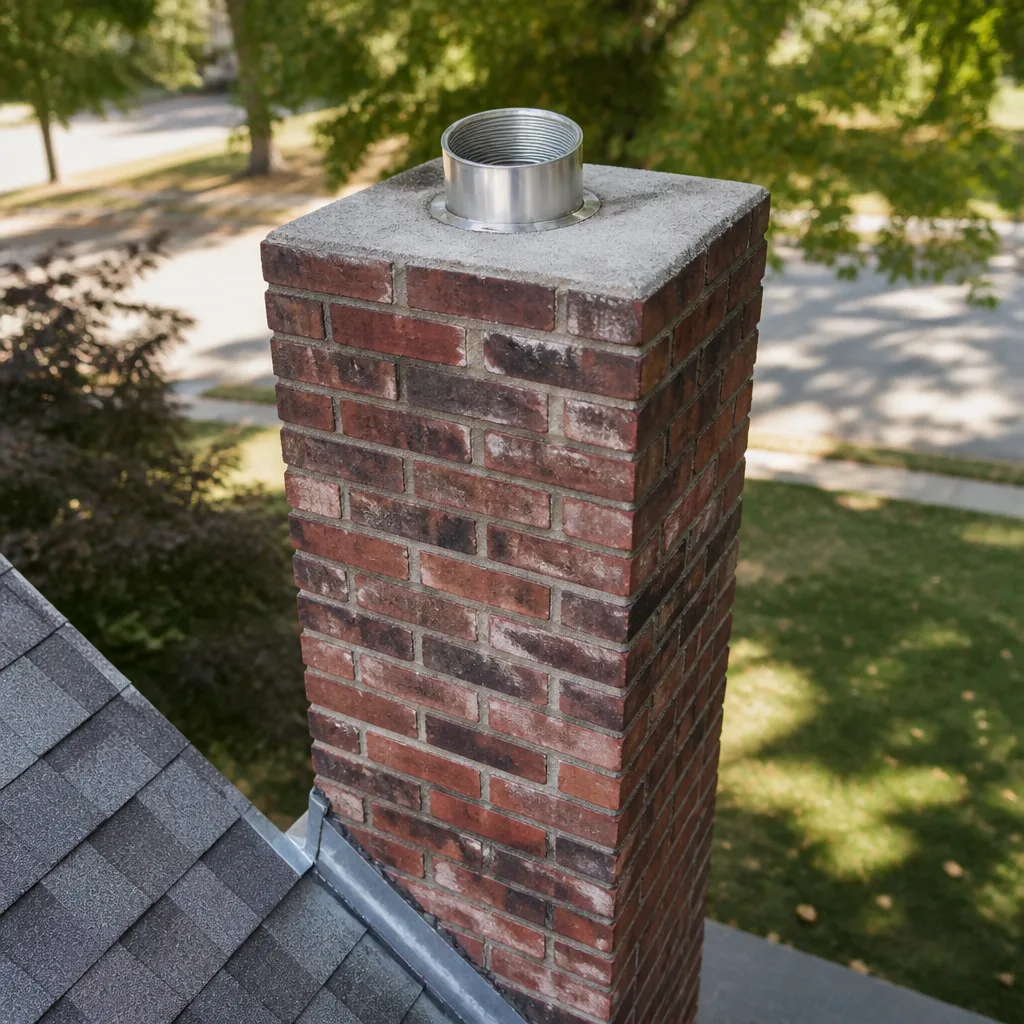 Flue relining
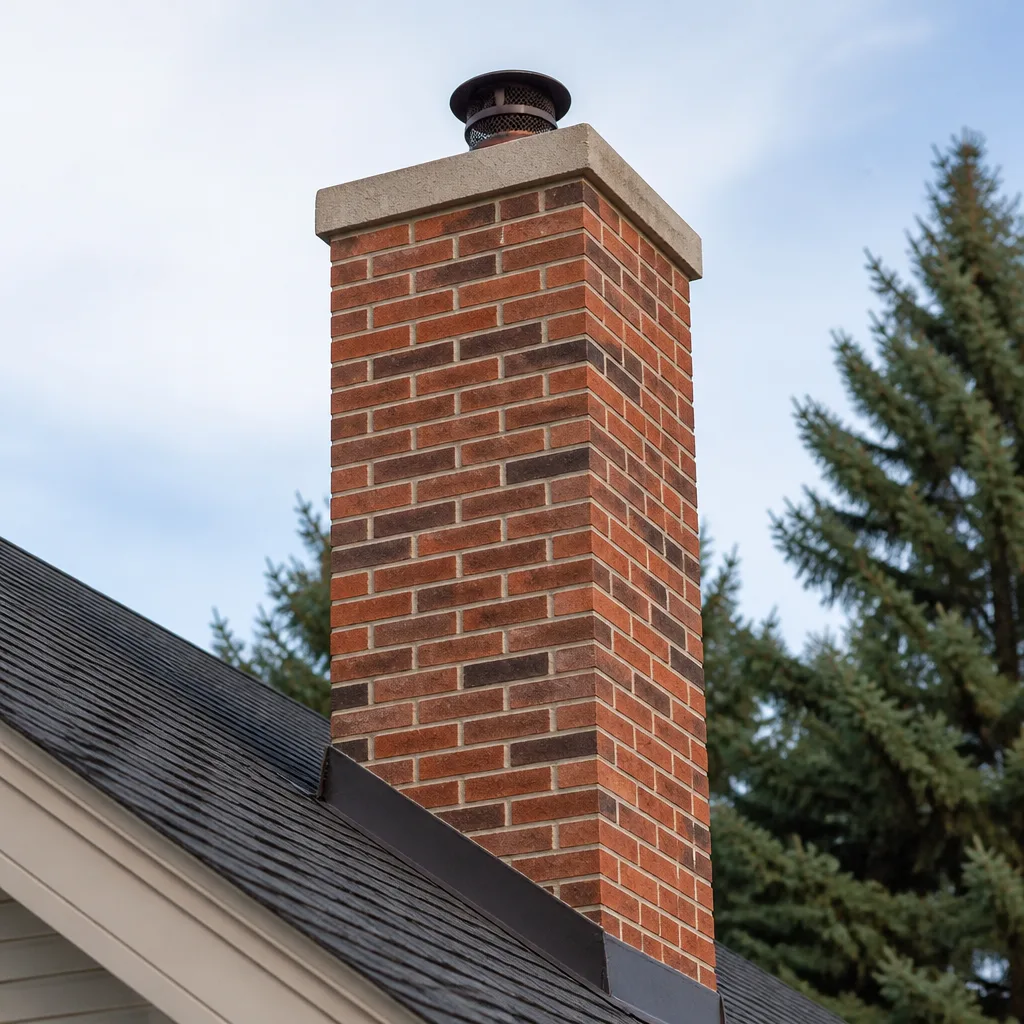 Masonry repair
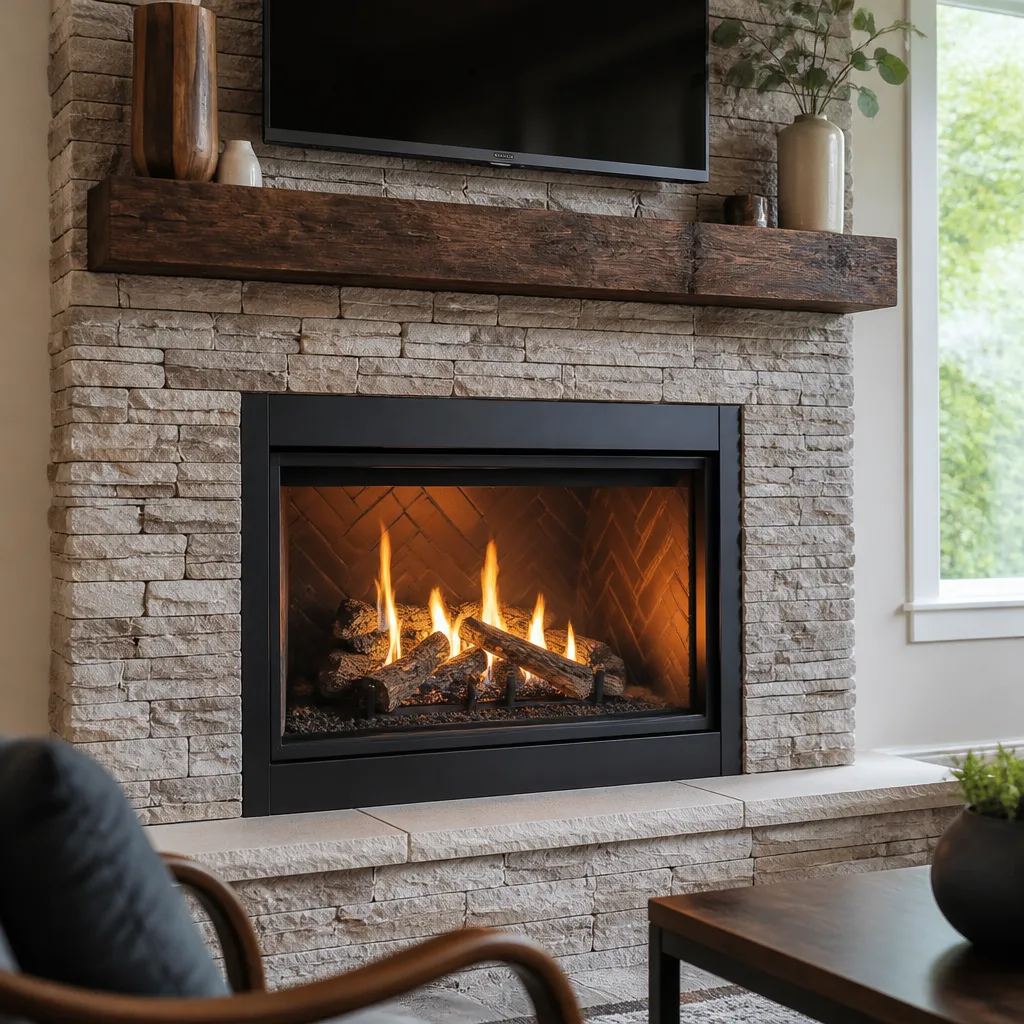 Gas fireplace service
Level 1 sweep and inspection to the NFPA 211 annual standard - flue, crown, cap, and flashing checked and photographed
Chimney sweep logs do not sweep chimneys. They loosen some creosote - which then falls where a brush and vacuum still have to collect it.
Chimney Sweep Maintenance Schedule: What to Do and When
Most chimney advice you’ll read assumes a cold climate: burn wood all winter, sweep in fall, repeat. Port St. Lucie doesn’t work that way. Our burn season is short, the off-season is long and humid, and a lot of households light the fireplace a dozen times a year at most. If that sounds like your house, here’s the counterintuitive part: the inspection matters more than the cleaning, and skipping the inspection because you “barely used it” is exactly how small problems get a full year to grow. This guide lays out a month-by-month schedule built around real Port St. Lucie usage, explains what an annual inspection actually requires under NFPA 211, and shows you how burn volume decides whether you need a sweep, an inspection, or both.
Styles & brands we work with
- Sweep & inspection
- Caps & crowns
- Flue relining
- Masonry repair
- Gas fireplace service
Quick Answer
In Port St. Lucie, the practical schedule is an annual inspection every year plus a sweep whenever creosote buildup or usage warrants it – for most households, one inspection in early fall before the first fire and one assessment at the end of the burn season in March. Homes burning less than a cord of wood a year usually need inspection only; homes burning more, or burning green wood, typically need cleaning once a season. The April through September off-season is when moisture and nesting do their worst work, so that’s the period to keep an eye on the cap and the flue.
Table of Contents
- Why the Standard “Annual Fall Cleaning” Advice Misses Port St. Lucie
- What NFPA 211 Actually Requires From an Annual Inspection
- A Month-by-Month Maintenance Calendar for Port St. Lucie
- What to Check Yourself Before the First Fire
- Level 1 vs. Level 2 Inspection: Which One You Need
- Why April Through September Is the Riskiest Stretch
- How Burn Frequency Decides Cleaning vs. Inspection
- When to Call a Professional
- Common Mistakes to Avoid
- Frequently Asked Questions
Why the Standard “Annual Fall Cleaning” Advice Misses Port St. Lucie
If you’ve searched for how often chimney cleaning Port St. Lucie homeowners actually need, you’ve probably run into the same guidance everyone else gets: an annual sweep every autumn. That advice was built for places with five-month heating seasons and steady wood consumption. Port St. Lucie’s fireplace season runs roughly November through February. Four months. Many households don’t even burn that long.
Here’s the practical consequence. A sweep removes creosote, the tar-like residue that accumulates on flue walls and fuels chimney fires. If you burn a few fires a season, that creosote layer builds slowly – often too slowly to justify a full cleaning every single year. What does change every year is the condition of the chimney itself. The flue lining, the mortar crown, the cap, the firebox. Those elements age whether or not you light a fire, and in South Florida they age under four to five months of heat and humidity followed by a short, intense burn season.
So the schedule that makes sense here inverts the usual emphasis:
- Inspection every year, without exception. This is the baseline. It is what catches cracked linings, loose mortar, water intrusion, and animal nests before they become repair bills.
- Sweeping when the chimney tells you it needs it – based on how much you burned and what the technician finds during inspection. Not on a fixed calendar.
- Attention to the off-season. The months your chimney sits unused are the months it takes the most environmental wear in this climate.
That’s the framework. The rest of this guide fills in the details – what the standard actually requires, what to do in each month, and how to tell when you’ve crossed the threshold from “inspect” to “sweep.”
What NFPA 211 Actually Requires From an Annual Inspection
NFPA 211, the national standard for chimneys, fireplaces, vents and solid fuel appliances, is the document most chimney professionals work from. It calls for chimneys, fireplaces and vents to be inspected annually. That’s the requirement. What gets lost in the retelling is what “inspected” means in the standard – and what most homeowners assume it means.
Most people picture an inspection as a quick look up the flue with a flashlight. That’s a piece of it, but it’s not the whole standard. A proper annual inspection under NFPA 211 covers:
- The firebox and firebrick – checking for cracks, spalling, and gaps in the mortar joints that let heat reach the masonry behind them.
- The damper – confirming it opens and closes fully and seats properly, because a stuck-open damper is an energy and draft problem, and a stuck-closed one is a smoke problem.
- The smoke chamber and shelf – the transition area above the damper, where rough surfaces collect creosote and where a camera often shows buildup you can’t see from below.
- The flue lining – checking for cracks, gaps, and deterioration that would let combustion gases or heat escape into the structure.
- The chimney exterior and crown – looking at the masonry above the roofline, the crown that caps it, the flashing where the chimney meets the roof, and the cap or spark arrestor at the top.
- Clearances and connections – confirming the appliance connection is solid and that combustible materials near the chimney meet the required clearance.
The standard also establishes three inspection levels – Level 1, Level 2, and Level 3 – and which one applies depends on what’s happening with the chimney. We’ll get to that in a moment. For now, the key point is this: an annual inspection is a structured, camera-assisted evaluation of the entire system, not a visual once-over. When you schedule a chimney sweep, the inspection is the part that decides whether a sweep even needs to happen.
A Month-by-Month Maintenance Calendar for Port St. Lucie
This calendar assumes a typical Port St. Lucie household burning wood in a fireplace, insert, or stove from roughly November through February. If you burn longer or heavier, add a mid-season check. If you light the fireplace a handful of times a year, the calendar still applies – the emphasis just shifts toward inspection and monitoring. Below it, we break down why each block matters.
- October – pre-season inspection and self-check. Schedule the annual inspection before you light the first fire. Look at the cap, check the damper, and confirm nothing has moved into the flue over the summer.
- November – first fires and draft baseline. Notice how the fireplace draws on the first cool nights. Weak draft, smoke roll-out, or a smell in the room are signals worth a call.
- December through January – peak burn, monitor. This is when you’re burning most. Watch for unusually fast creosote accumulation, glassy deposits on the firebox walls, or a damper that starts sticking.
- February – late-season sweep decision. If you’ve burned heavily, this is often the point where a mid-season or end-of-season sweep makes sense.
- March – end-of-season assessment. A post-season look catches what the burn season left behind – worn mortar, a damper that took stress, creosote that should come out before the humid months.
- April through September – off-season monitoring. The chimney is idle, which makes it a target for moisture intrusion and nesting. Check the cap and look for staining or dampness on the chimney exterior periodically.
Why This Order Matters
Notice the two inspection points: October and March. The October inspection is about readiness – you want to know the chimney is safe before you use it. The March assessment is about aftermath and off-season protection. It catches problems while they’re still small and, critically, before the chimney sits unused and exposed for five months. Skipping either one leaves a gap. The fall inspection without the spring follow-up lets a problem develop all summer unnoticed. The spring inspection without the fall check means you light the first fire without knowing what changed.
Adjusting the Calendar to Your Burn Pattern
If you burn less than fifteen fires a year, your calendar is mostly inspection and monitoring. The October and March checks become the whole schedule; a sweep may not be needed at all in a given year. If you burn a cord or more, you’re likely looking at a sweep in late winter or early spring in addition to both inspections. If you burn softwood or unseasoned wood – common in this area because it’s what’s available – creosote accumulates faster, and a mid-season check around January is worth adding.
What to Check Yourself Before the First Fire
Some of this you can safely check on your own. Some of it you should not attempt. Knowing the difference is part of maintaining the chimney responsibly – and it keeps you from either missing something important or putting yourself at risk on a ladder.
What You Can Check Yourself
- The cap. From the ground, look at the top of the chimney. The cap or spark arrestor should be intact and sitting flat. A missing, loose, or damaged cap lets water, debris, and animals straight into the flue. This is one of the most common failures we find, and it’s a cheap fix compared with what a wet flue costs later.
- Visible blockage. Open the damper and shine a light up. You’re looking for nesting material, leaves, or a collapsed piece of lining visible near the bottom. Do not reach in or climb anything to look further.
- The damper. It should open and close smoothly and seat fully. If it sticks, grinds, or won’t stay open, note it for the technician.
- The firebox. Look for new cracks in the firebrick or gaps in the mortar between bricks. Small hairline cracks in the firebrick itself are common; gaps that let you see the masonry behind them are not.
- Signs of moisture. Staining on the chimney exterior, dampness around the firebox, or a musty smell in the firebox after a rain all point to a water issue.
What Requires a Professional
A Level 1 inspection involves getting onto the roof and evaluating the exterior, and evaluating the flue interior with proper lighting and, where needed, a camera. A Level 2 inspection adds a video scan of the flue. Anything involving heights, the roof, or reaching into the flue is work for a trained technician. Ladder work on a roof is one of the most dangerous parts of this trade, and it’s the part you should never take on yourself to save a service call.
The same goes for anything that turns up a defect. A cracked flue lining, a deteriorated smoke chamber, or a damaged crown are repair items that require assessment and, often, a relining or resurfacing solution. We use products like HeatShield for flue resurfacing and DuraFlex for relining because those are the materials the repair actually calls for – not because a sweep alone will fix it. A clean chimney is the starting point, not the finish line.
Level 1 vs. Level 2 Inspection: Which One You Need
The three inspection levels under NFPA 211 exist because not every chimney situation is the same. Matching the level to the situation is what keeps the inspection proportionate to the risk.
Level 1 Inspection
A Level 1 is the standard annual inspection. It covers the readily accessible portions of the chimney and appliance – the firebox, damper, visible flue, and exterior above the roofline – using basic tools and lighting. It’s appropriate when the chimney has been in continuous service, nothing has changed, and there’s no known problem. This is what most Port St. Lucie households need every year.
Level 2 Inspection
A Level 2 adds a video camera scan of the flue interior and a closer look at accessible attic, crawlspace, and other areas as needed. It’s required, or at minimum strongly recommended, when:
- You’ve changed the appliance – a new insert, a new stove, or a change in fuel type.
- The property has changed hands since the last inspection.
- There’s been a chimney fire, a seismic event, or a known or suspected problem.
- You’re preparing to reline or repair and need to see the full flue condition first.
- You’ve noticed a persistent draft problem, smoke issues, or staining.
In our experience, a lot of Port St. Lucie homeowners end up needing a Level 2 for a reason they didn’t anticipate – a home purchase triggered it, or an insert was added at some point without a documented inspection. If the chimney has a story you don’t fully know, the video scan is worth it.
Level 3 Inspection
A Level 3 is a targeted investigation that may involve opening walls or removing parts of the chimney to access a concealed problem. It’s the least common and only happens when a specific hazard is suspected and can’t be evaluated any other way. It’s mentioned here for completeness; if you’re at a Level 3, the conversation has already moved past maintenance into active repair.
Why April Through September Is the Riskiest Stretch
Here’s the part most chimney content glosses over. In a cold climate, the chimney’s hardest test is winter. In Port St. Lucie, the hardest test is the off-season – five months of heat and humidity while the chimney sits completely idle. Nothing about that is dramatic, but the cumulative effect is real.
Moisture Does Its Slow Damage
Masonry is porous. During the warm, humid months, moisture moves into the masonry and mortar and stays there. It attacks mortar joints, works at the crown, and eventually finds its way toward the flue lining. A cap that’s slightly loose in October becomes a wet flue by July. This is why the cap is the single most important piece of weatherproofing on the chimney, and why we install spec-grade caps from brands like Gelco and Olympia Chimney rather than whatever fits at the hardware store. The cap is your chimney’s roof; it should be built to last more than one season.
Nesting Season
Birds, squirrels, and other animals look for shelter in the spring and early summer. An open or damaged cap is an invitation. Nests block the flue, create draft problems, and add combustible material where you least want it. The October inspection catches this – but a mid-summer visual check of the cap can catch it earlier, before a nest becomes a blockage.
What to Watch For
- Staining on the exterior masonry, especially streaks running down from the crown.
- A musty or smoky smell in the firebox during humid spells – a sign of dampness in the flue.
- Visible changes in the cap or crown after summer storms.
- Debris in the firebox that appeared without a fire having been lit.
The off-season isn’t maintenance-free. It’s monitored, not ignored.
How Burn Frequency Decides Cleaning vs. Inspection
The question “do I need a cleaning or just an inspection” has a practical answer based on how much you burn. Here’s how we think about it.
The Burn Thresholds
- Under fifteen fires a year (most Port St. Lucie households). Inspection only is usually the right call. Creosote accumulation at this level is typically light. The annual inspection still happens; the sweep may not.
- Half a cord to a cord a year. Inspection every year, plus a sweep when the inspection shows meaningful buildup. Often that’s one sweep per season, but not always.
- A cord or more a year, or frequent burning. Annual sweep plus annual inspection. If you’re burning unseasoned wood, add a mid-season check.
- Any amount of burning with a known defect. Inspection first, then repair as needed – cleaning a chimney with a compromised lining is treating the symptom, not the cause.
What the Technician Actually Looks For
Creosote comes in stages, and the stage matters as much as the amount. Light, sooty residue sweeps away easily. Glazed, tar-like creosote is a fire risk and takes more work. When we inspect, we’re looking at how much is there, what stage it’s in, and where it’s concentrated – the smoke chamber and the top third of the flue are common trouble spots. That assessment, backed by camera evidence the homeowner can see, is what drives the recommendation.
This is also where the “do I really need work” hesitation gets answered. Nothing gets recommended without camera evidence you can see for yourself, and there’s a straight answer for when work can safely wait. A chimney sweep and an inspection are different things, and knowing which you need – and which you don’t – is what keeps maintenance honest. If you’re in Port St. Lucie and wondering where you fall on this list, the inspection answers it.
Common Mistakes to Avoid
- Skipping the inspection because you “barely used it.” This is the big one here. Low usage means less creosote, not less deterioration. The cap, crown, and lining still age through every off-season, and the inspection is what catches them.
- Treating a sweep as annual by default. A sweep removes creosote. If there isn’t creosote worth removing, the sweep isn’t the priority – the inspection is. Paying for a cleaning you don’t need doesn’t make the chimney safer.
- Ignoring the cap between seasons. The cap is the chimney’s only defense against the long humid off-season. A missing or damaged cap in spring is a wet flue by summer. Check it after storms and before the burn season.
- Burning unseasoned or softwood without adjusting the schedule. Unseasoned wood produces more creosote faster, and it’s common here because it burns easily. If that’s your fuel, add a mid-season inspection and don’t assume the standard annual cadence covers it.
- Assuming a home purchase inspection covered the chimney. A general home inspection often gives the chimney a brief visual look, not an NFPA 211 Level 2. If the property changed hands and you don’t have a chimney-specific inspection on record, that’s the gap to close.
- Climbing the roof to “take a quick look.” Roof and ladder work is the most dangerous part of chimney care. The cap and crown are checkable from the ground with binoculars; anything closer is a call.
- Waiting for a problem to announce itself. Chimney defects rarely produce obvious symptoms. Most problems we find are quiet ones – a hairline crack, a loosened crown, a nest near the top that hasn’t blocked anything yet. The inspection is what makes them visible before they cost more.
When to Call a Professional
Call when the calendar says it’s time – October before the first fire, March after the season – and call right away if any of these come up: a chimney fire or suspected fire, smoke rolling into the room instead of up the flue, a strong smoky or musty smell from the firebox, visible cracks in the firebox or flue lining, staining on the chimney exterior, a damaged cap or crown, animals or nesting material in the flue, or a damper that no longer works. Also call if you’ve bought a home and don’t have a chimney-specific inspection on record. Anything involving the roof or the flue interior is technician work – we’d rather you call than take that on.
Unity Chimney Sweep offers free estimates in Port St. Lucie – call (844) 990-3838. We answer 24/7. Fast dispatch from 7am to 7pm, Sunday through Friday. One company handles inspection, sweeping, and repair, so nothing gets handed off and you don’t need a second appointment with a stranger to finish the job.
Frequently Asked Questions
Every year, regardless of how much you burn. The annual inspection is the NFPA 211 baseline, and it’s the part of chimney care that catches deterioration the burn season and the humid off-season leave behind. Cleaning happens when the inspection shows it’s needed; inspection is the fixed point.
Pricing is set per job by the written estimate, so the exact figure depends on the chimney and what the inspection finds. Call (844) 990-3838 for an exact quote – estimates are free, and the written estimate sets the final price before any work begins.
Only if the inspection shows the existing lining is compromised – cracked, gapped, or deteriorated enough that heat or combustion gases can escape into the structure. That recommendation should come with camera evidence you can see for yourself. If the lining is sound, a liner isn’t needed, and a straight answer about that is part of the job.
Possibly nothing, possibly a small issue becomes a larger repair. A cracked crown, a loosened cap, or a hairline flue crack can sit quietly for a season and worsen through the humid months. The cost of an inspection is small compared with the cost of a repair the inspection would have caught early.
You can, but it’s the wrong order. A cleaning without an inspection treats the symptom – creosote – without knowing the condition of the lining, crown, and cap. We inspect before we sweep, and repair what we find. That’s what makes the maintenance schedule meaningful rather than procedural.
Probably not every year, and the inspection tells you whether you do. Under fifteen fires a year, creosote buildup is usually light and the inspection is the priority. If a particular season was heavier – more fires, more unseasoned wood – the inspection will show whether a sweep is warranted. Call (844) 990-3838 and we’ll tell you what your chimney actually needs.
The Bottom Line
The maintenance schedule for a Port St. Lucie chimney isn’t a fall cleaning – it’s a year-round rhythm built around a short burn season and a long, humid off-season. Inspect every October and again in March. Sweep when burn volume and inspection findings warrant it, not on a fixed annual clock. Watch the cap and crown through the summer, because that’s when moisture and nesting do their damage. If you remember one thing from this guide, it’s that the inspection is the backbone of the whole schedule – the cleaning is a response to what the inspection finds. Call (844) 990-3838 for a free estimate and a look at where your chimney actually stands.
Written by the team at Unity Chimney Sweep.
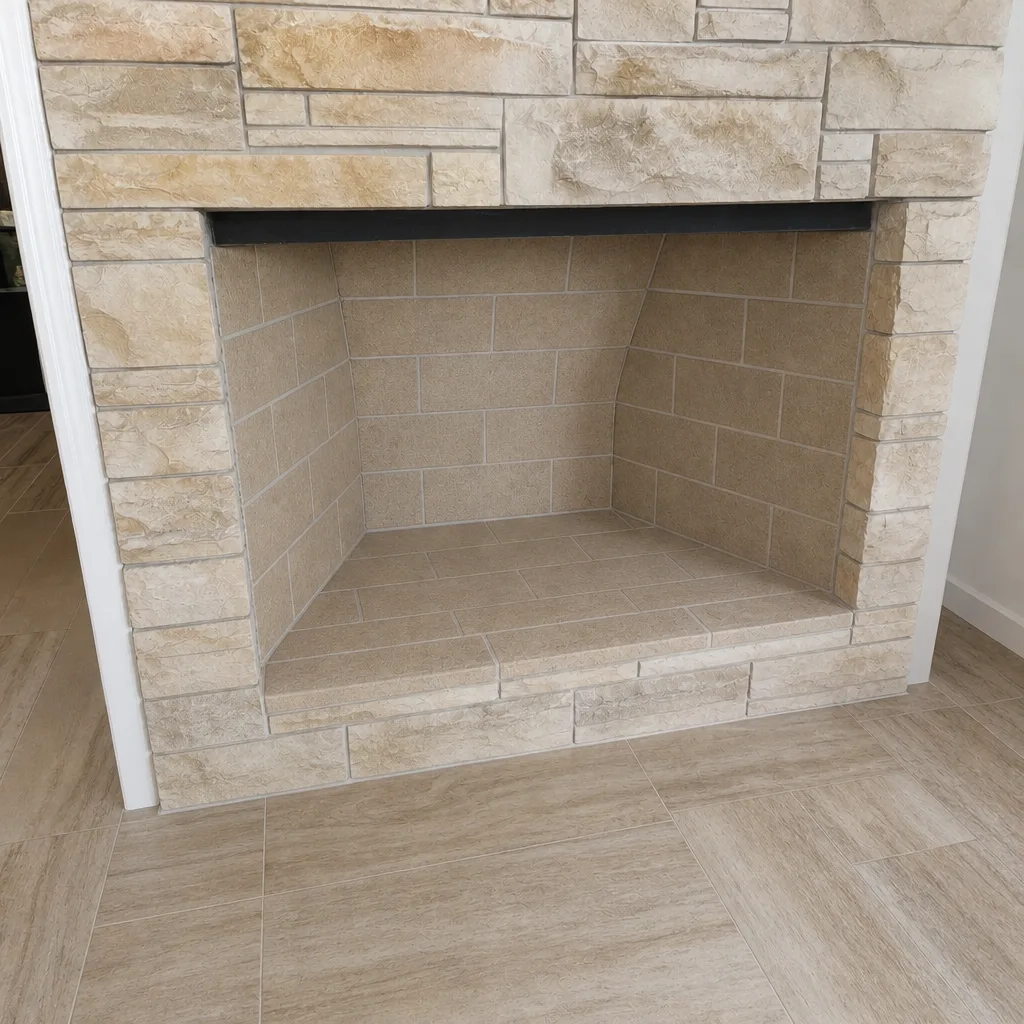
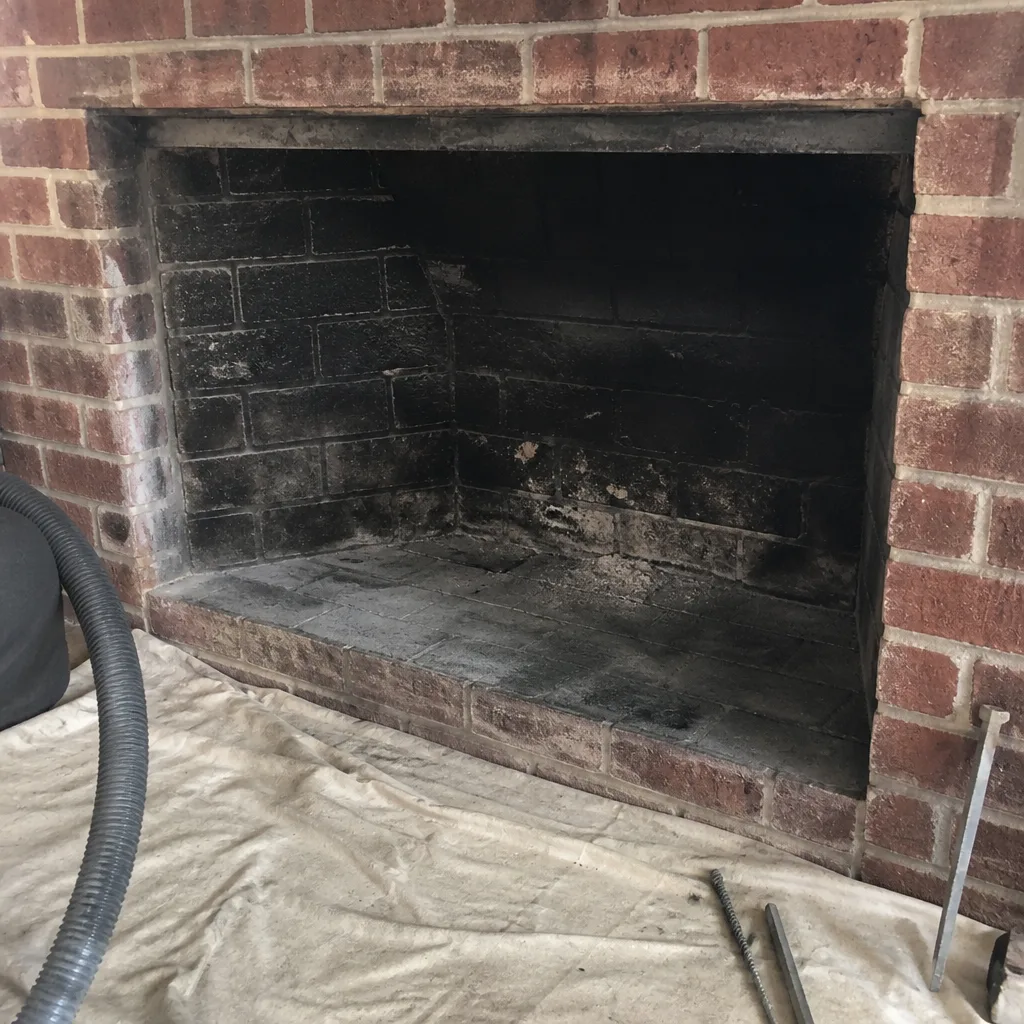
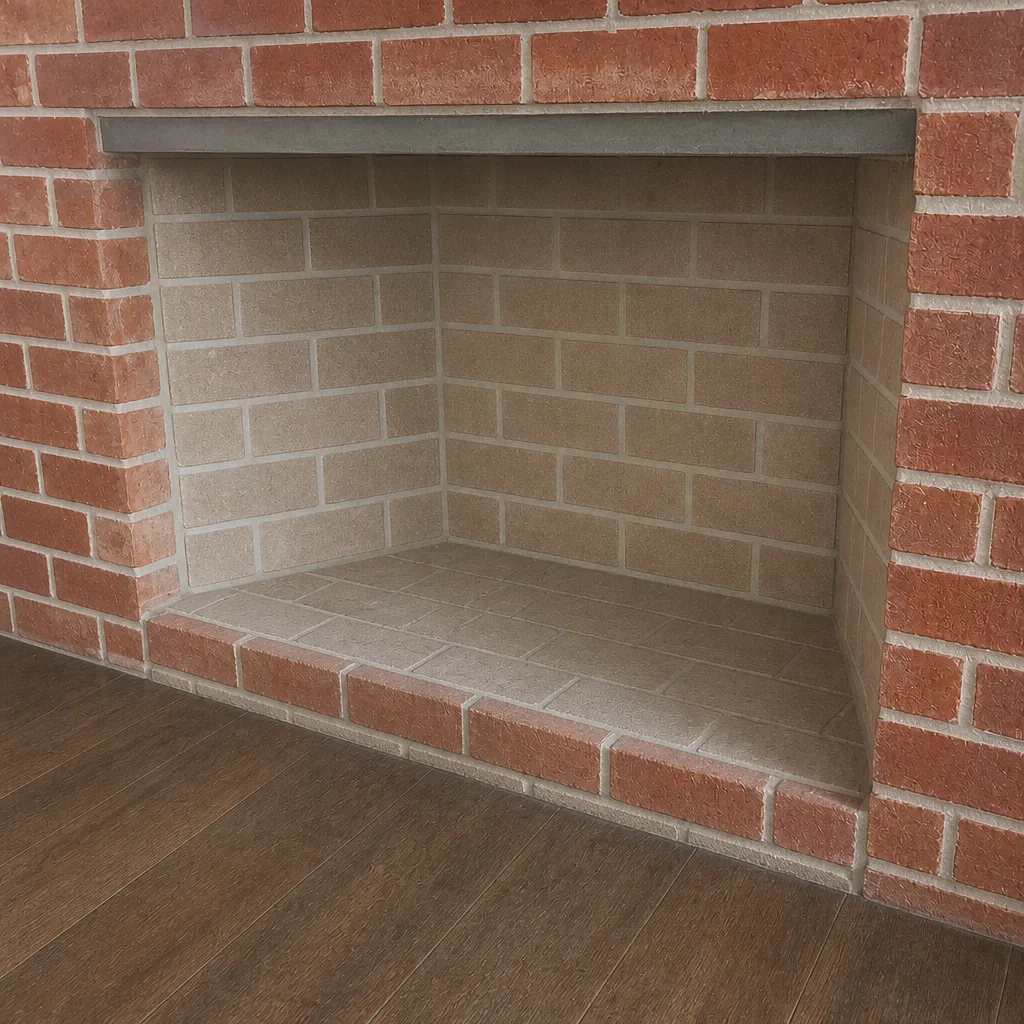
See the difference
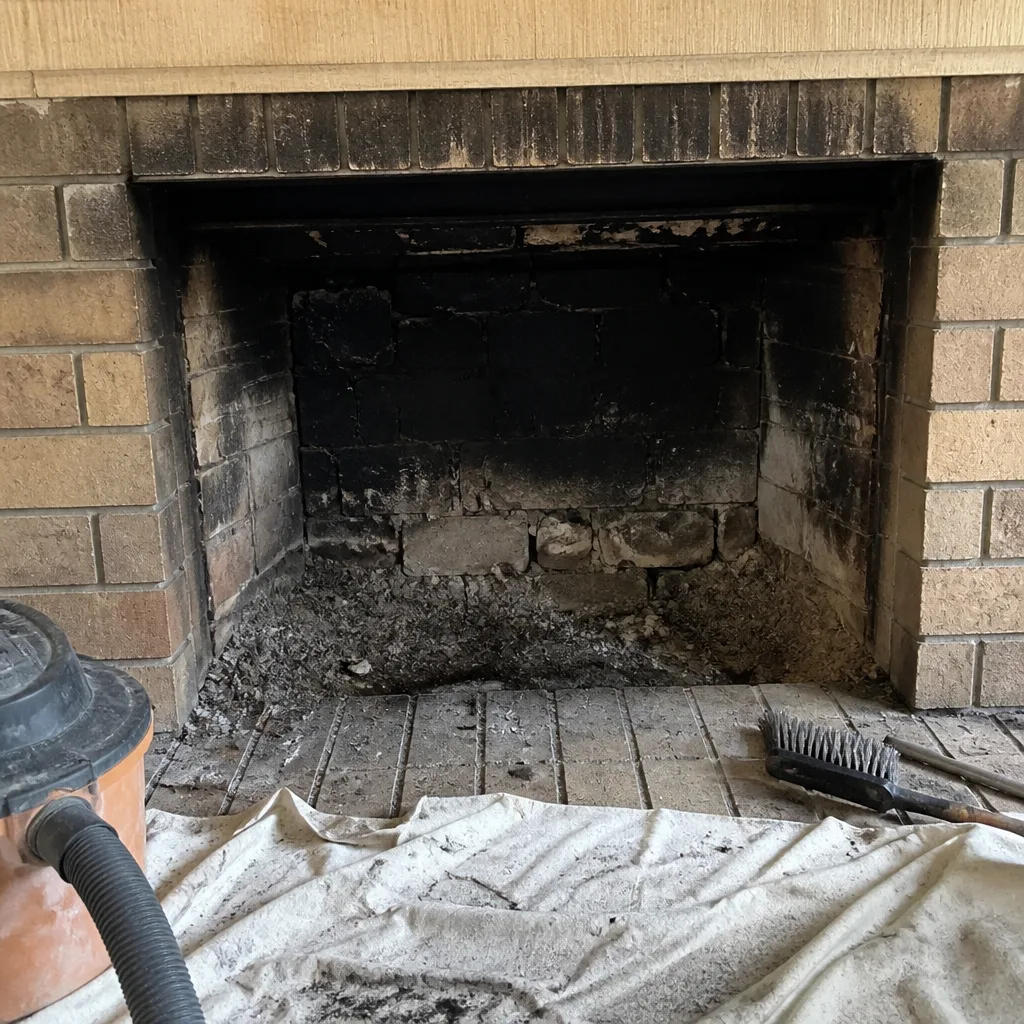 Before
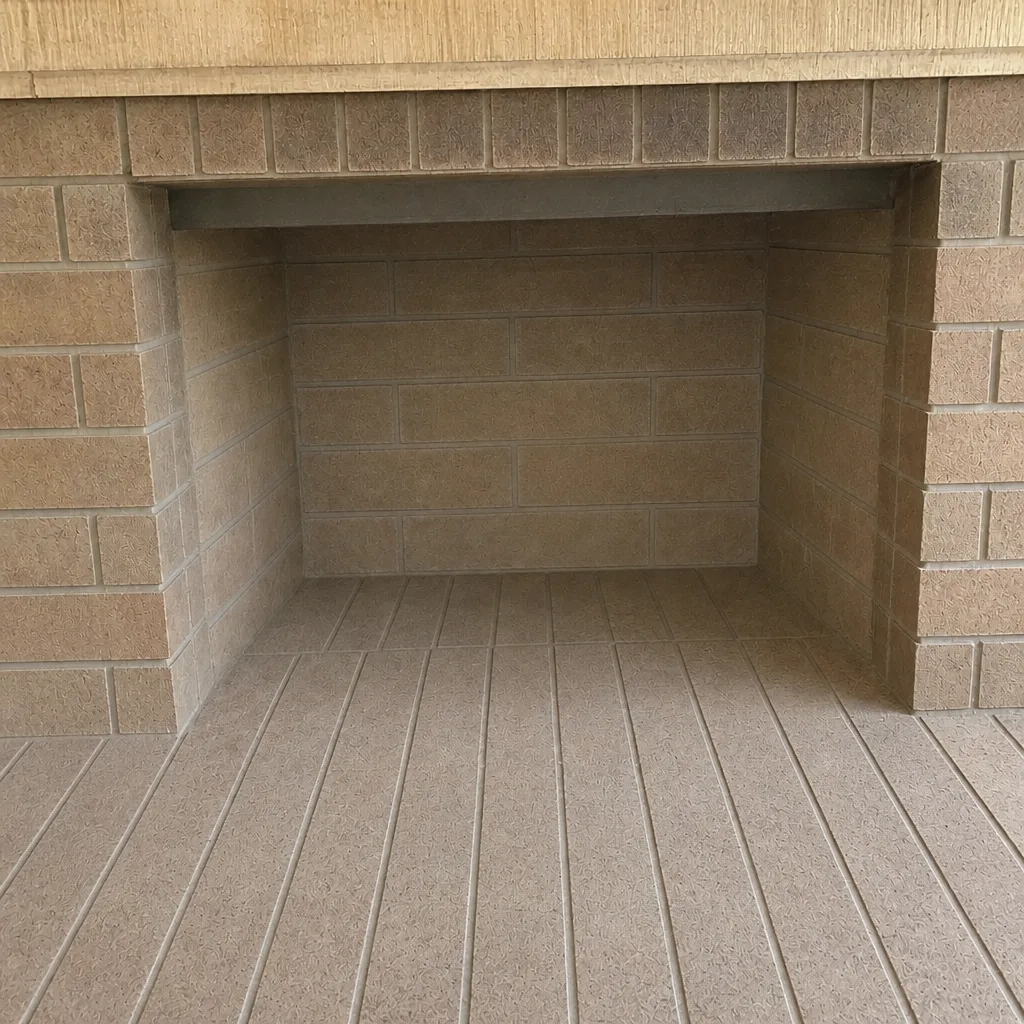 After
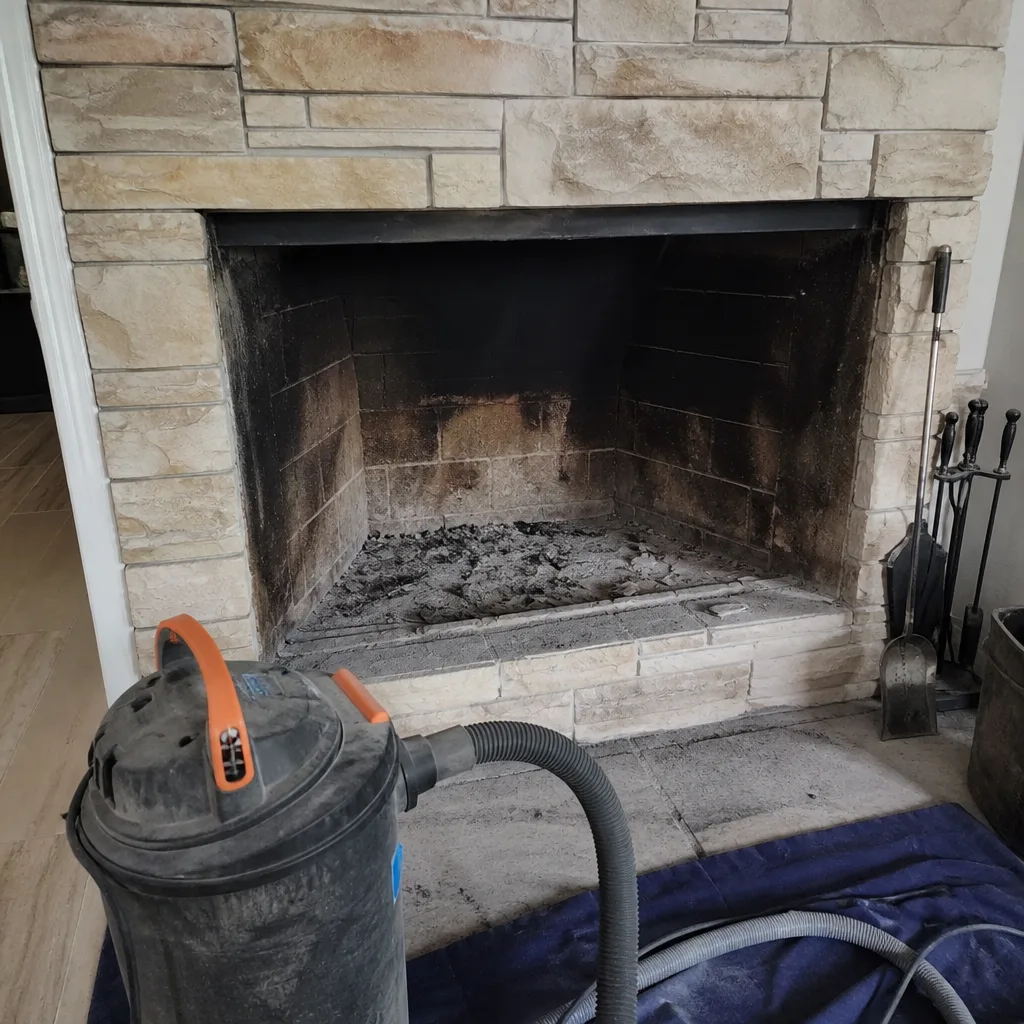 Before
 After
 Before
 After