
Last updated November 16, 2026
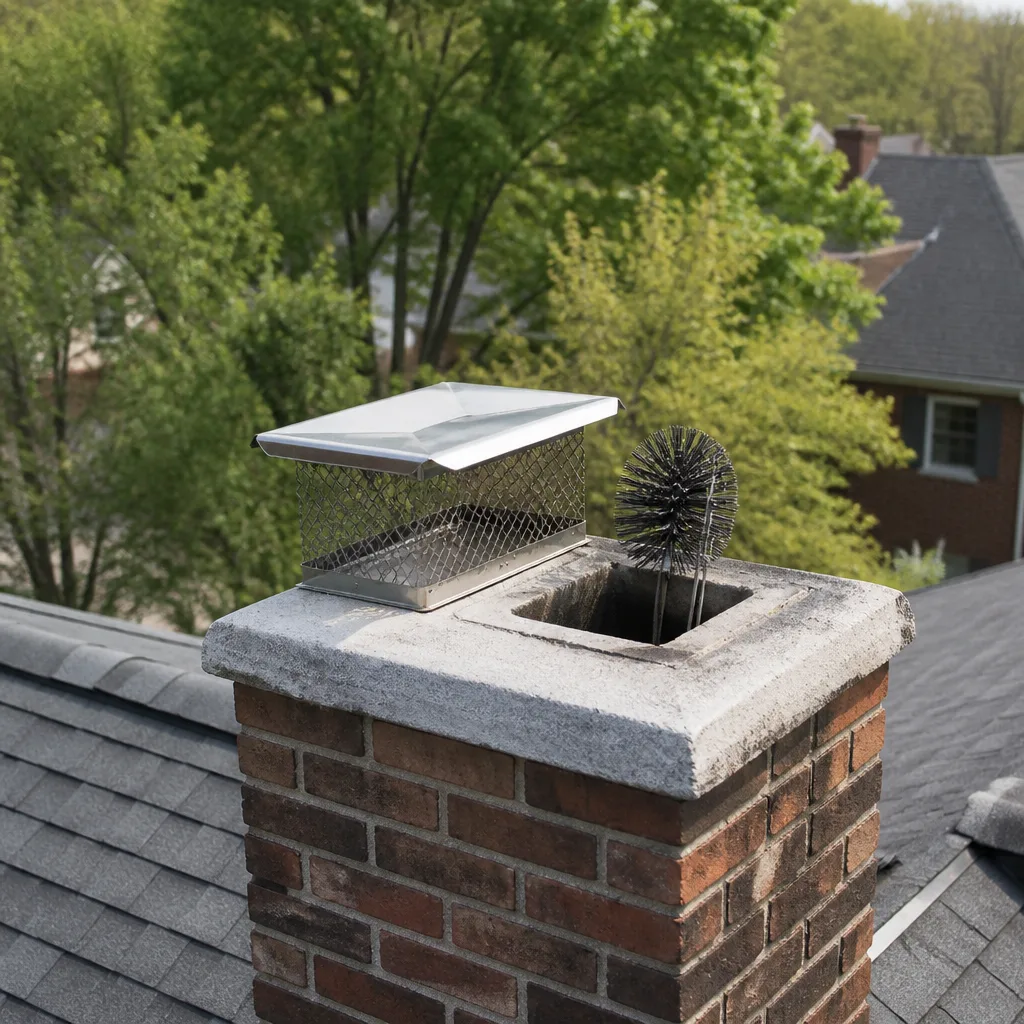 Sweep & inspection
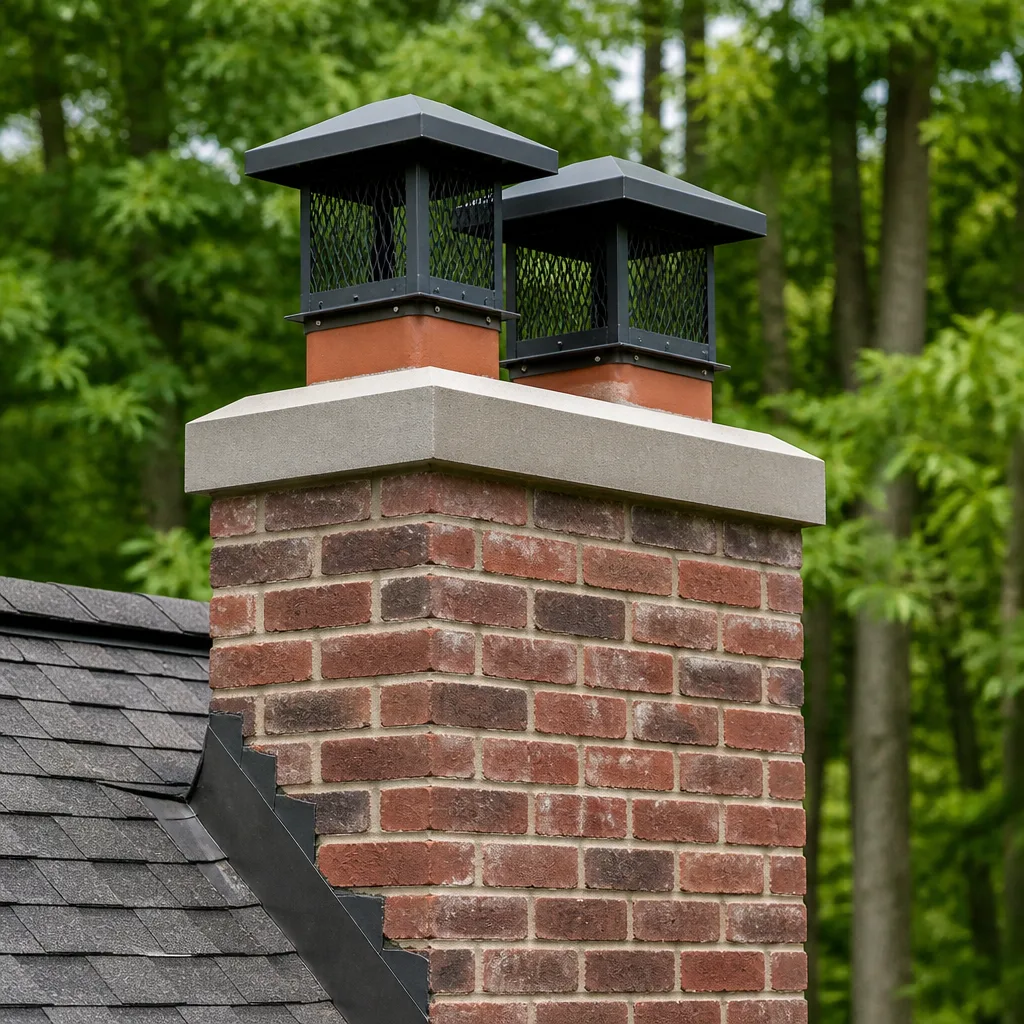 Caps & crowns
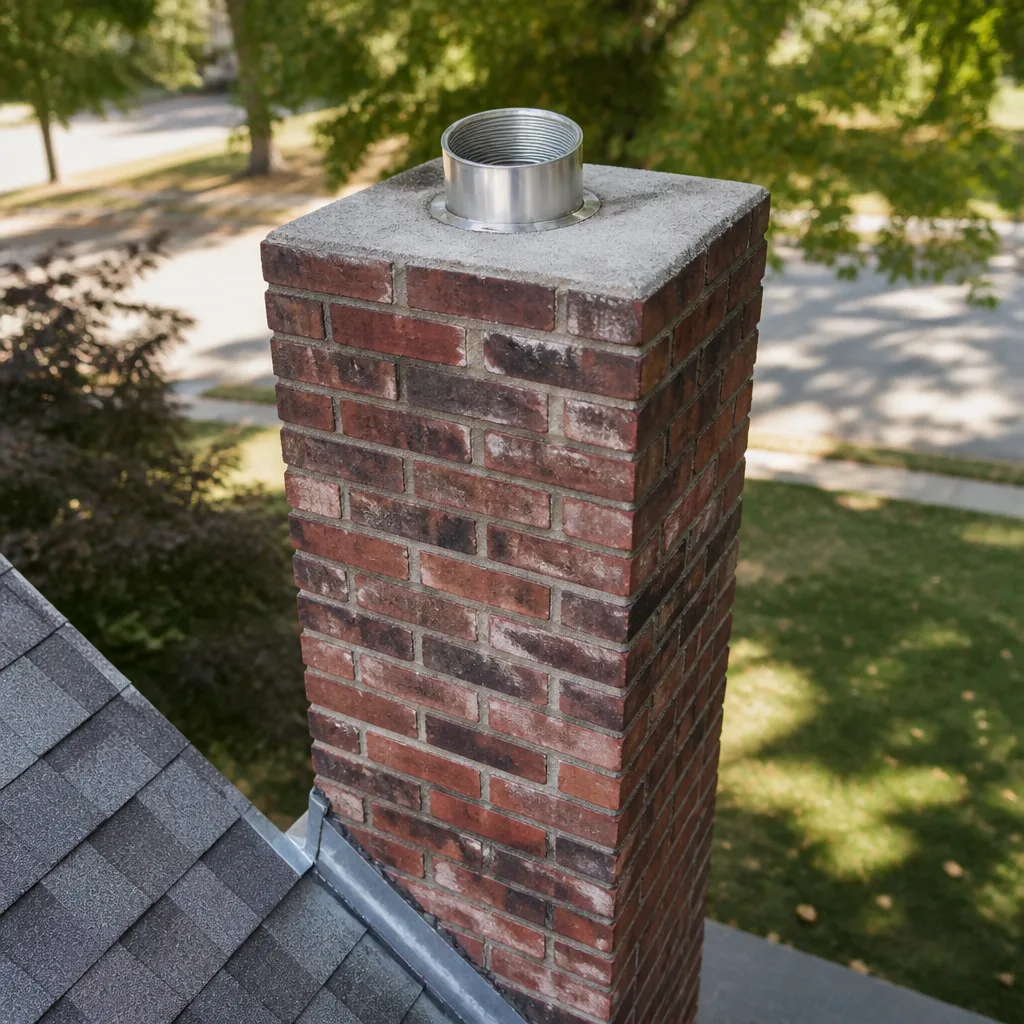 Flue relining
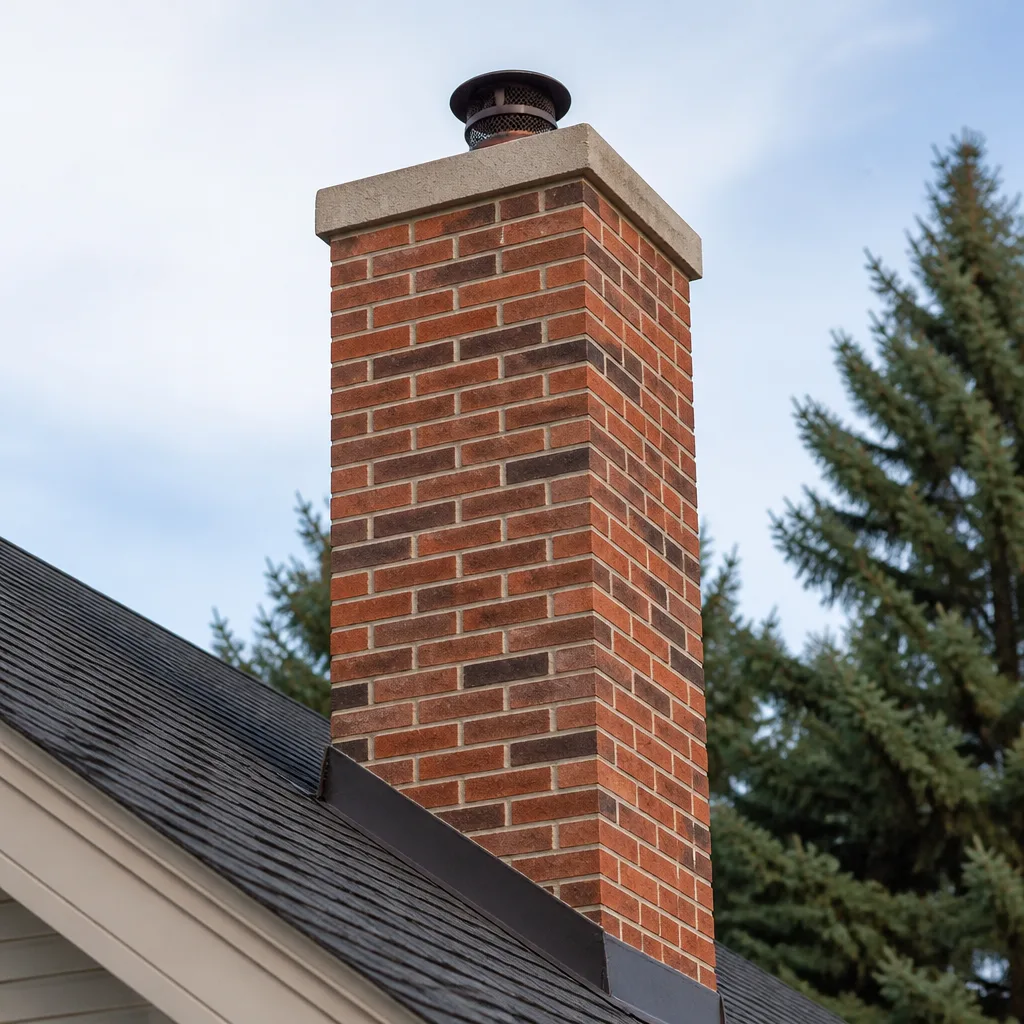 Masonry repair
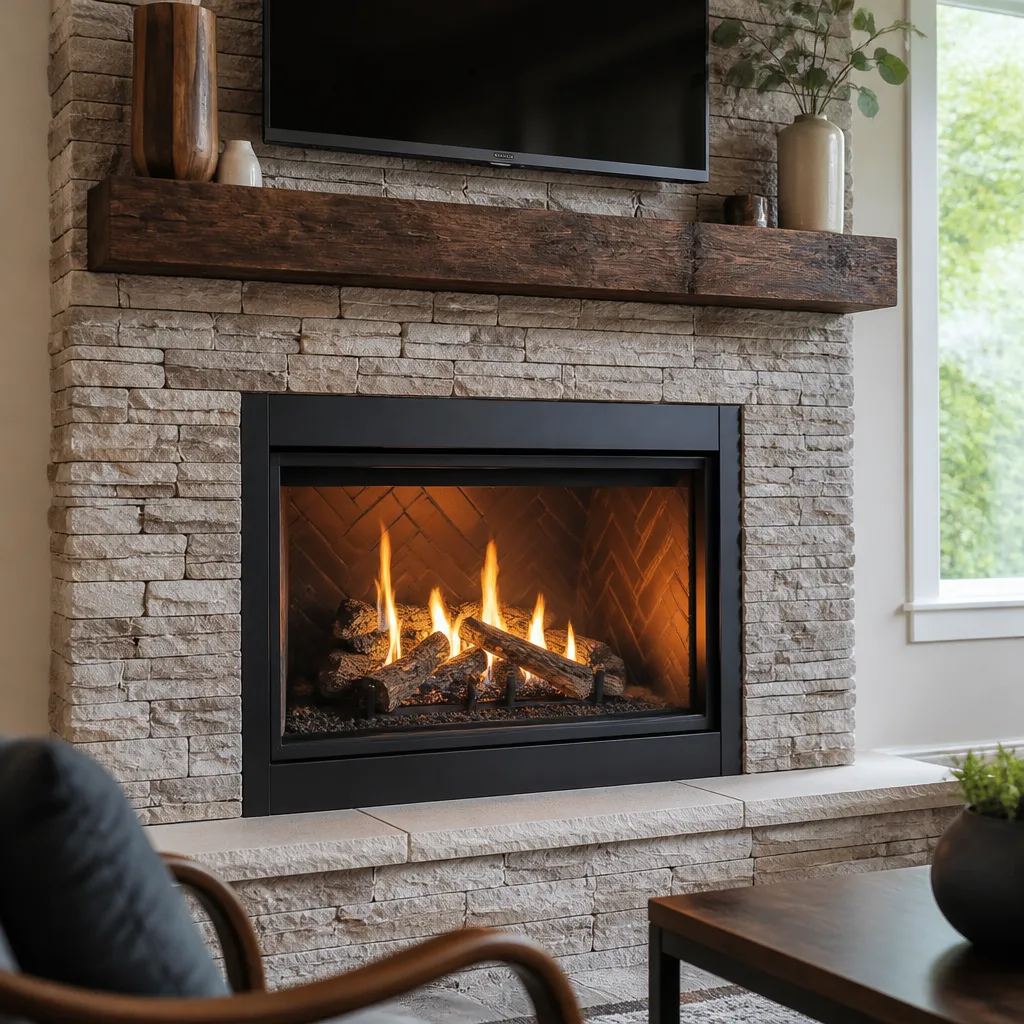 Gas fireplace service
Level 1 sweep and inspection to the NFPA 211 annual standard - flue, crown, cap, and flashing checked and photographed
Chimney sweep logs do not sweep chimneys. They loosen some creosote - which then falls where a brush and vacuum still have to collect it.
Chimney Sweep Troubleshooting in Port St. Lucie: Common Problems and How to Fix Them
A chimney that smells like a wet dog in August isn’t just unpleasant. It’s telling you exactly what’s wrong, and most Port St. Lucie homeowners misread it as a cleaning problem when it’s actually a moisture problem. Here’s the pattern we see: the fireplace sat unused through the humid months, the cap or crown let damp air in, and the flue absorbed it. Brushing the flue won’t fix that. Understanding what your chimney is telling you will. In this guide we walk through the problems Port St. Lucie chimneys actually develop, how to read the symptoms accurately, and how to tell a minor maintenance issue from something that needs a professional before you light the first fire of the season.
Quick Answer
Most chimney problems in Port St. Lucie come down to moisture, infrequent use, and draft pressure, not random failures. A musty smell, white staining on the exterior, or a smoky fire usually points to a moisture or draft issue that a standard sweep won’t solve. Structural damage, a failed cap, or a compromised flue liner needs a professional inspection and repair before the fireplace is used again.
Styles & brands we work with
- Sweep & inspection
- Caps & crowns
- Flue relining
- Masonry repair
- Gas fireplace service
Table of Contents
- Why Florida humidity causes chimney odors that come back after cleaning
- Draft problem or blockage: how to tell the difference
- What white staining on your chimney exterior really means
- Why seasonally used chimneys are more vulnerable to nesting and spalling
- Three signs to stop using the fireplace immediately
- Signs that can safely wait for a scheduled inspection
- A troubleshooting checklist for Port St. Lucie homeowners
Why Florida Humidity Causes Chimney Odors That Come Back After Cleaning
If your chimney smells musty, sour, or like a wet animal even after a sweep, the flue is holding moisture and the odor is a symptom of that, not leftover soot. Cleaning removes creosote and ash. It does nothing about damp masonry, and that’s the actual source of most recurring smells in this climate.
Port St. Lucie’s humidity is the driver. Through the long warm season, the air holds a lot of water vapor, and a chimney that isn’t being used becomes a cool, damp column. Clay tile flues are porous. When they take on moisture and then sit, the combination of water and lingering creosote residue creates the sulfurous, smoky, or animal-like smell homeowners describe. Light a fire and it seems to clear. Leave the fireplace off for a few weeks and the smell is back. That cycle is the tell. It’s a moisture signature.
The fix is moisture control, not more sweeping. In practical terms that means:
- A proper cap. A quality cap keeps rain out while letting exhaust escape. A missing or failed cap is the single most common entry point for water. We install spec-grade caps from brands like Gelco and Copperfield because a generic hardware-store cover often doesn’t seal or vent correctly.
- A sound crown. The crown is the concrete cap at the top of the chimney. Cracks let water run down into the masonry. Sealing or rebuilding a cracked crown is a real repair, not a cosmetic touch-up.
- Flue sealing where appropriate. A flue that will sit unused through the humid season can be sealed against moisture and reopened when the burning season starts.
- Addressing a damaged liner. A cracked or deteriorating flue liner absorbs and traps water. Resurfacing with HeatShield or relining with DuraFlex solves the root cause rather than masking the smell.
If your odor returns after every cleaning, treat it as a moisture call, not a cleaning call. A chimney sweep handles the creosote. Fixing the smell means finding where the water is coming in.
Draft Problem or Blockage: How to Tell the Difference
A fireplace that smokes into the room is either fighting a pressure problem or breathing through a blocked flue, and the two have very different fixes. Negative air pressure is a house issue. A blockage is a chimney issue. Get the diagnosis right before spending money.
Modern construction in Port St. Lucie is tight. Newer homes are built to hold air conditioning efficiently, which means they also hold pressure. When a house is sealed well and an exhaust fan, dryer, or range hood is running, the home pulls air from wherever it can. A fireplace needs to draw air up the flue to work. If the house is pulling harder than the chimney, smoke comes into the room instead of going up. That’s negative pressure, and it’s common in newer, well-sealed homes.
How to tell them apart:
- Test the pressure theory. Crack a nearby window an inch and light a small fire. If the fireplace draws normally with the window open and smokes with it closed, you have a pressure problem, not a blocked flue.
- Check the cap and screen. A clogged cap screen, a nest, or a collapsed cap section blocks the flue outright. If the fireplace smokes regardless of windows, suspect a blockage.
- Look at the fire itself. A weak, lazy flame that won’t pull up is a draft symptom. Smoke rolling out steadily from the start points more toward a blockage or a flue that’s too short for the firebox.
- Listen at the damper. A clear, open flue sounds hollow. A muffled or restricted sound can mean debris or a nest sitting above the damper.
Pressure problems can sometimes be eased with a make-up air source or a draft-improving cap. Blockages need to be cleared, and a damaged cap needs replacement. That’s where a professional inspection earns its keep. We tell you what your chimney actually needs, not what adds the most to an invoice, and a camera inspection shows you the blockage for yourself.
What White Staining on Your Chimney Exterior Really Means
White, powdery staining on the outside of a brick chimney is called efflorescence, and it’s a structural warning, not a cosmetic issue. It means water is moving through the masonry and depositing mineral salts on the surface as it dries.
Efflorescence shows up when moisture gets into the brick or mortar and then migrates out. The water carries dissolved salts with it, and when it evaporates, those salts are left behind as a white bloom. In Port St. Lucie’s humid climate, a chimney that absorbs moisture and then dries in the sun is a textbook setup. The stain itself is harmless to touch. What it tells you is the real story: water is getting in somewhere.
The usual entry points are the same ones that cause odor problems, plus a couple more:
- Cracked crown or mortar joints. Water runs in at the top and works down.
- Missing or failed flashing. The metal flashing where the chimney meets the roof is a common leak point, and a failed seal lets water straight into the masonry.
- Porous brick or deteriorated mortar. Older masonry absorbs more water, and once the surface starts to break down, it takes on more.
- A spalling face. When efflorescence is joined by flaking or popping brick faces, the water damage has progressed to where the masonry itself is failing.
If you see white staining that keeps coming back after cleaning, or the brick is starting to flake, have it looked at. A chimney repair visit can trace the water source, seal or rebuild the crown, and correct flashing so the masonry can dry out. Left alone, efflorescence is often the first visible sign of a repair that gets more expensive the longer it waits.
Why Seasonally Used Chimneys Are More Vulnerable to Nesting and Spalling
A chimney that sits unused for most of the year is more exposed to animal nesting and masonry spalling than one that’s in regular use. The fireplace being cold and quiet for months makes it an attractive, protected space, and the masonry cycles through wet and dry without the drying help a working fire provides.
Think about how a Port St. Lucie chimney actually lives. Burning season here is short. For much of the year the flue is dark, dry on the surface, and open at the top. Birds, squirrels, and other animals look for exactly that kind of shelter. A missing or loose cap turns the flue into a nesting cavity. Nests block the flue, and they also hold moisture and debris against the liner.
Spalling is the other seasonal problem. Spalling is when the face of a brick pops, flakes, or peels off. It happens when moisture gets into the brick, and the freeze-thaw cycle isn’t the only cause. In a warm, humid climate, repeated wetting and drying does the same damage over time, especially on a chimney that never gets the drying effect of regular fires. A chimney that’s used regularly dries out between burns. One that sits cool and damp all summer doesn’t.
What this means for you:
- Keep a cap on year-round. The cap is the first line of defense against both nesting and rain. A damaged or missing cap should be replaced before the next burning season, not after.
- Have the flue checked before the first fire. A pre-season inspection catches nests, debris, and cracked tile before you light up.
- Watch the exterior for spalling. Flaking brick faces mean water is getting in. Catch it early and the repair is smaller.
- Don’t assume a seasonal chimney is a clean chimney. A flue that sat open and unused can collect a nest and moisture even if it wasn’t burned in.
We inspect before we sweep, and repair what we find, so a seasonal chimney gets checked for nesting and moisture at the same time as the creosote. If spalling has started, we can trace the water source and correct it with the right materials rather than a patch that fails next season.
Three Signs to Stop Using the Fireplace Immediately
Some chimney symptoms are maintenance items you can schedule. Others are stop-now warnings. These three mean put the fire out and don’t light another until a professional has looked at the chimney.
- Smoke or fumes backing into the room that don’t clear. A fireplace that consistently pushes smoke or a gassy smell into the living space is not venting properly. Carbon monoxide is colorless and odorless, and a blocked or compromised flue can send it into the home instead of up and out. This is a safety issue, not an inconvenience. Stop using the fireplace and get it inspected.
- Visible cracks in the flue liner or firebox, or crumbling mortar inside the firebox. The flue liner is what keeps heat and combustion gases away from the structure of the house. A cracked or deteriorated liner can let heat reach framing and can let gases escape into the home. A firebox with failing mortar has lost its heat barrier. Don’t burn in it until it’s evaluated.
- A strong creosote smell combined with heavy buildup, or a chimney fire has happened. Creosote is the flammable residue that builds up on flue walls. If you’ve had a chimney fire, even a small one you think you put out, the flue may be cracked or the masonry heat-damaged. Stop using it and get it checked before the next fire.
These signs share a thread: they all point to a path for heat, smoke, or carbon monoxide to get where it shouldn’t. When in doubt, keep the fireplace cold and call for an inspection. The risk of waiting outweighs the cost of a look.
Signs That Can Safely Wait for a Scheduled Inspection
Not every chimney symptom is an emergency, and telling the urgent from the routine is the whole point of reading your chimney accurately. These signs are worth a scheduled inspection but don’t require you to stop using the fireplace today.
- A musty or smoky smell that shows up when the fireplace is off. This is a moisture or odor issue. It’s worth fixing, but it isn’t an immediate hazard. Schedule an inspection and plan the moisture fix before the next burning season.
- White efflorescence that hasn’t progressed to flaking brick. Early white staining is a warning that water is moving through the masonry. It can wait for a scheduled visit, but don’t let it sit for years. Catching it early keeps the repair small.
- Light creosote buildup with no strong smell and normal draft. A routine sweep handles this. Book it before the season, not after.
- A slightly smoky fire on windy days only. Intermittent draft issues tied to wind or pressure can be evaluated at a scheduled inspection. If the smoking is constant, move it to the stop-now column.
- A cap that’s loose but still in place. Get it secured or replaced at your next visit. A cap that’s come off entirely is more urgent, especially during nesting season.
When we look at a chimney, we tell you plainly which category it’s in. If work can safely wait, we say so. If it can’t, we show you why with camera evidence you can see for yourself.
A Troubleshooting Checklist for Port St. Lucie Homeowners
Before you call, a few simple checks help you describe the problem accurately, and accurate descriptions lead to faster, better diagnoses. None of these involve opening the chimney or working on the flue. If a check involves anything above your reach or inside the flue, leave it to a professional.
- Note when the problem happens. Only when the fireplace is off? Only on windy days? Only when other exhaust fans run? The timing narrows the cause fast.
- Smell test. A musty or wet-animal smell with the fireplace off points to moisture. A sharp creosote smell points to buildup.
- Check the exterior from the ground. Look for white staining, flaking brick, a missing or damaged cap, and staining around the flashing at the roof line.
- Window test for draft. Crack a nearby window and light a small fire. If it draws better with the window open, you’re looking at a pressure problem.
- Look at the firebox. Cracks in the firebox mortar or flue tiles you can see are stop-now signs.
- Check the damper. Make sure it opens fully and isn’t blocked by debris.
- Write down the symptoms and call. Describe what you saw and when it happens. A good technician can often tell you what to expect before arriving.
If your checks turn up anything in the stop-now category, keep the fireplace off and get it inspected. Everything else can go on the schedule. Our technicians have up to 11 years of experience reading exactly these patterns, and the job is to tell you what your chimney needs, not to sell you work you don’t.
Common Mistakes to Avoid
- Treating a smell as a cleaning problem. If the musty smell returns after every sweep, the cause is moisture, not soot. More sweeping won’t fix it. Find where the water is coming in.
- Burning through a smoking fireplace. A fireplace that won’t vent is a carbon monoxide risk, not something to tolerate. Stop using it and get it checked.
- Ignoring white staining. Efflorescence is easy to dismiss as a cosmetic stain. It’s a sign that water is moving through the masonry, and it gets worse the longer it’s ignored.
- Leaving the flue open and uncapped through the off-season. An open flue in Port St. Lucie invites nesting and rain. A proper cap protects it year-round.
- Assuming a clean flue means a safe chimney. A clean flue can still have a cracked liner, a failed crown, or a draft problem. A clean chimney is the starting point, not the finish line.
- Hiring a sweep-only service for a structural problem. A sweep who can’t repair what they find hands you off to someone else. Look for a company that can inspect, sweep, and repair in one place.
- Skipping the pre-season inspection. A short check before the first fire of the year catches nests, cracks, and cap damage before they turn into a hazard.
See the difference
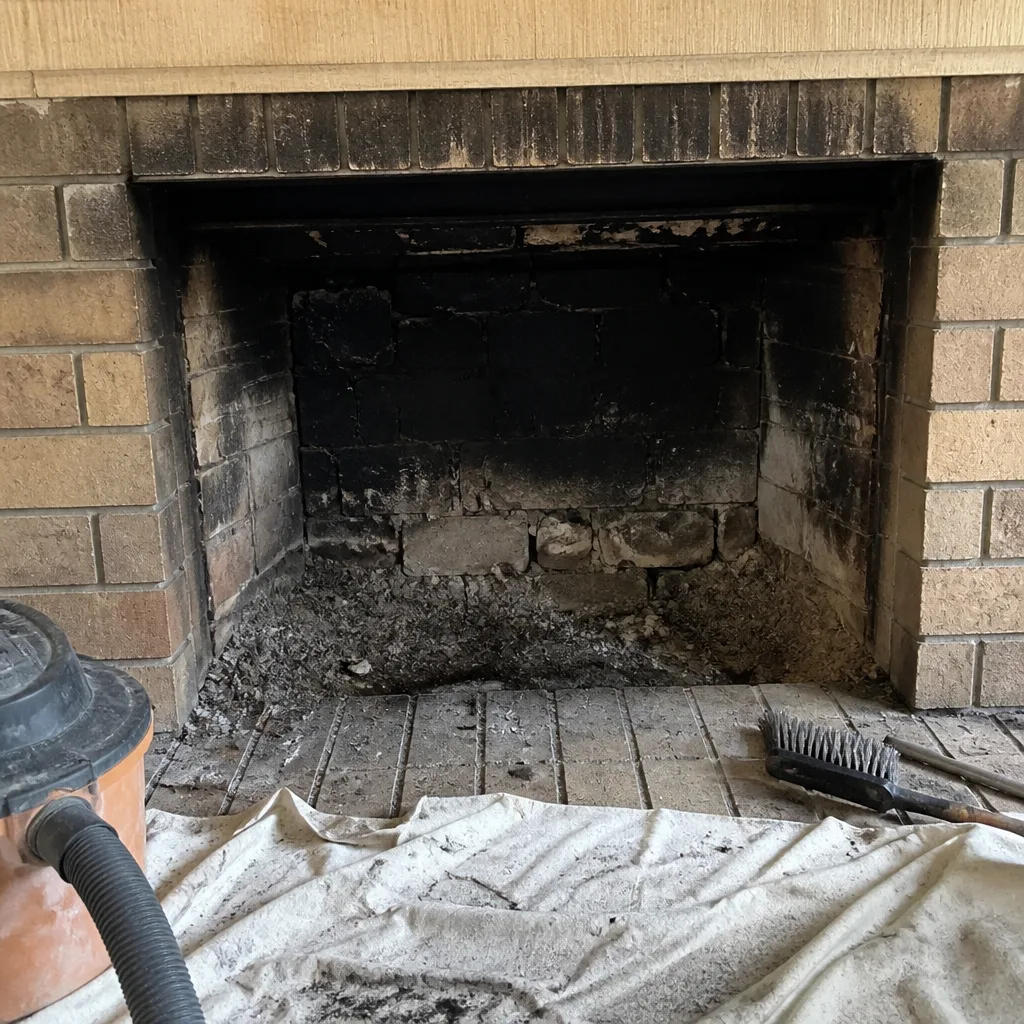 Before
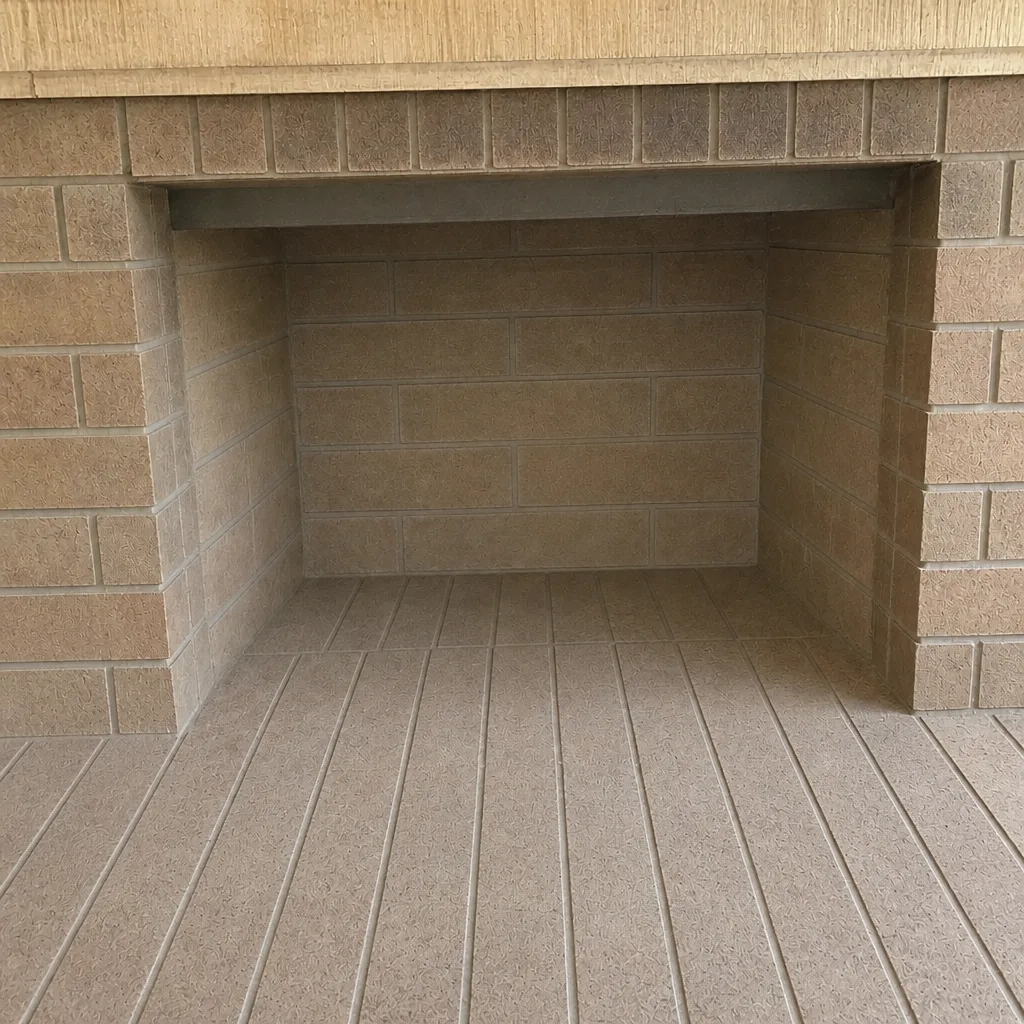 After
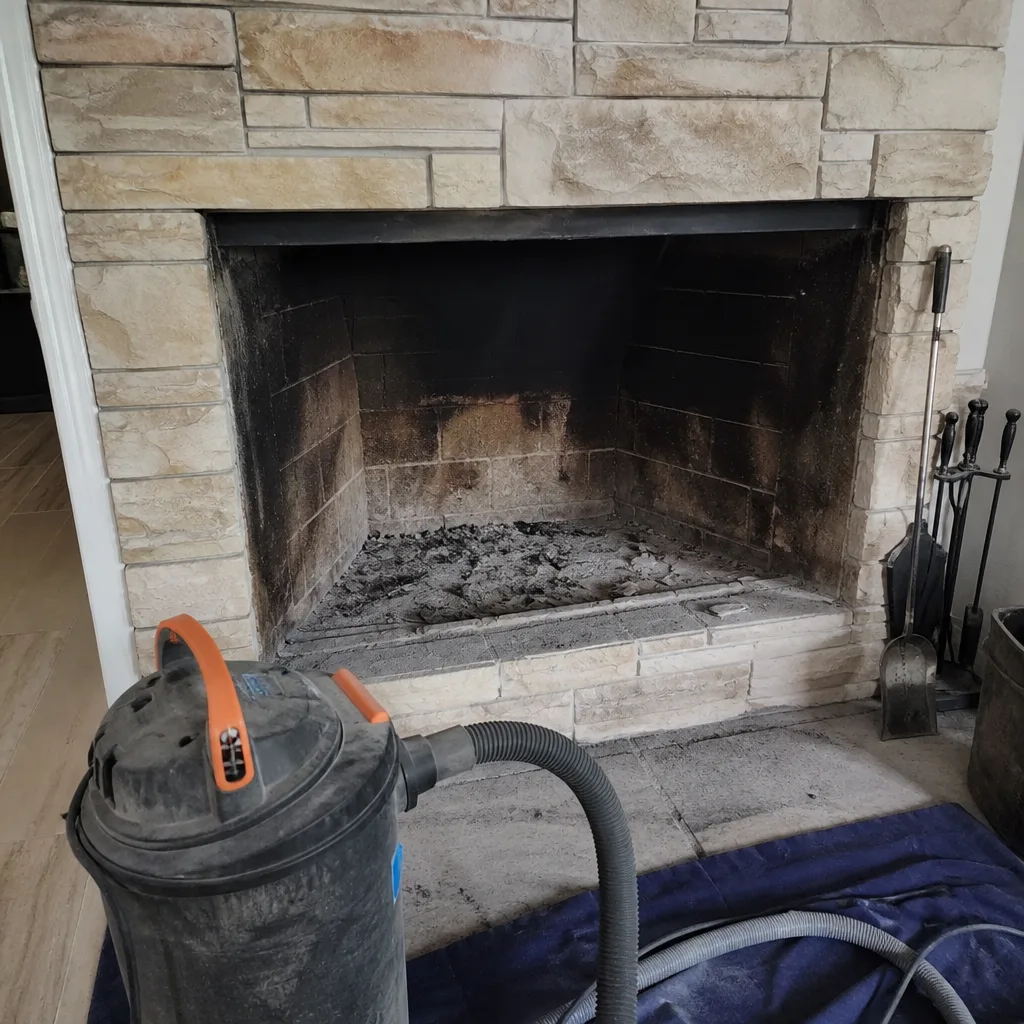 Before
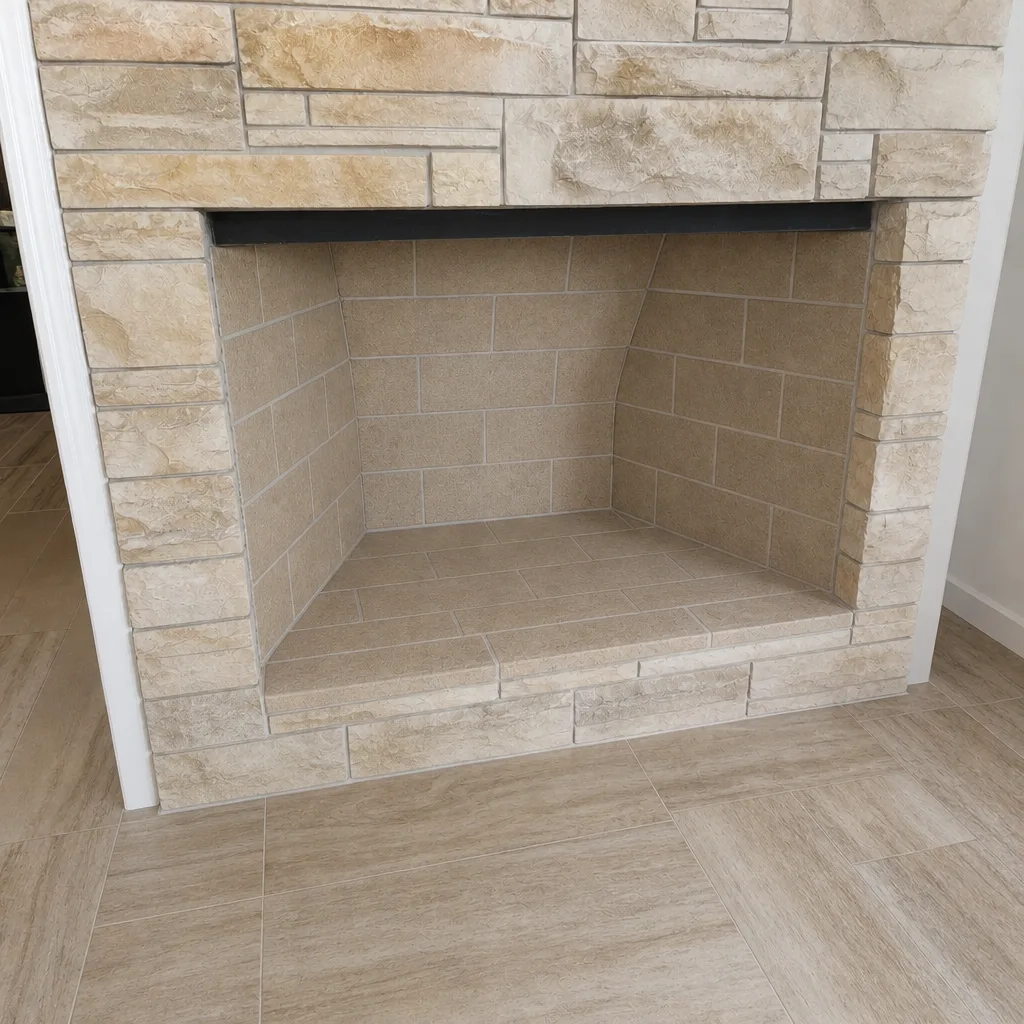 After
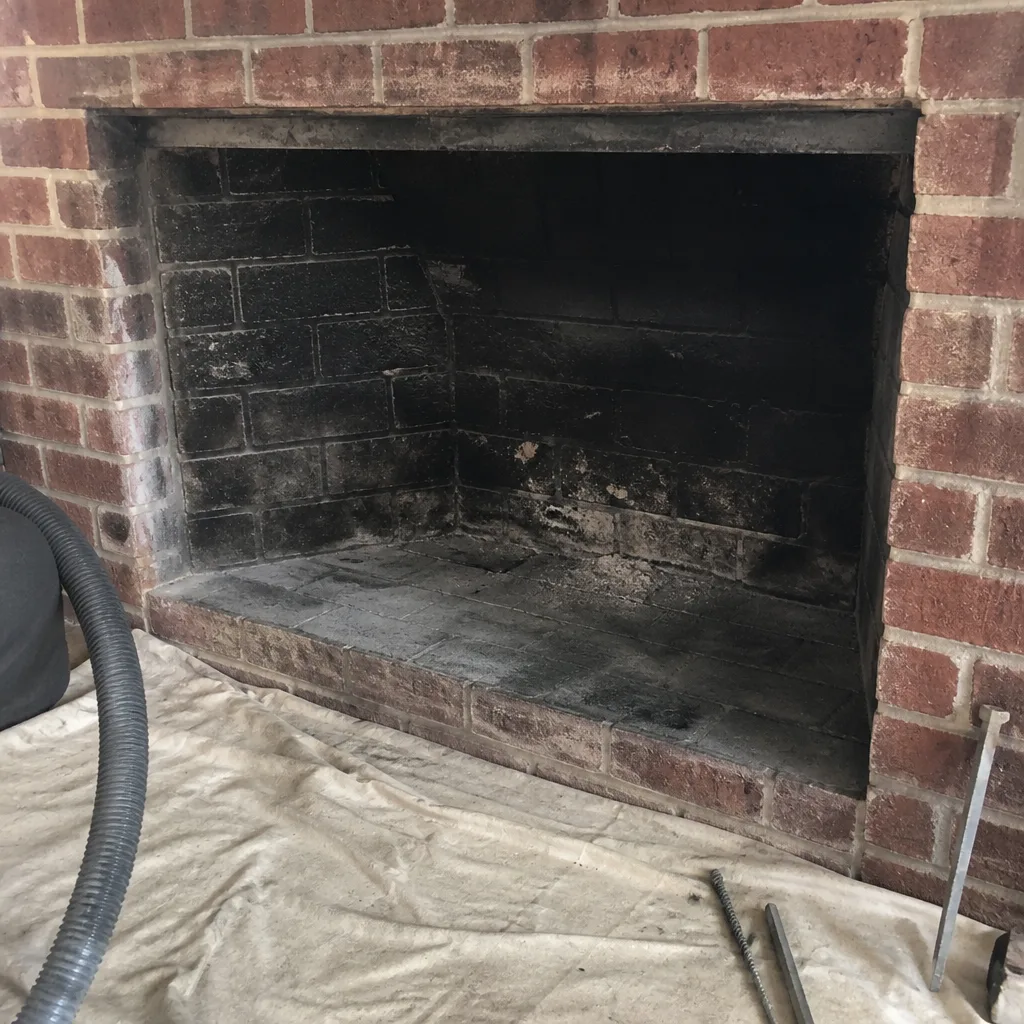 Before
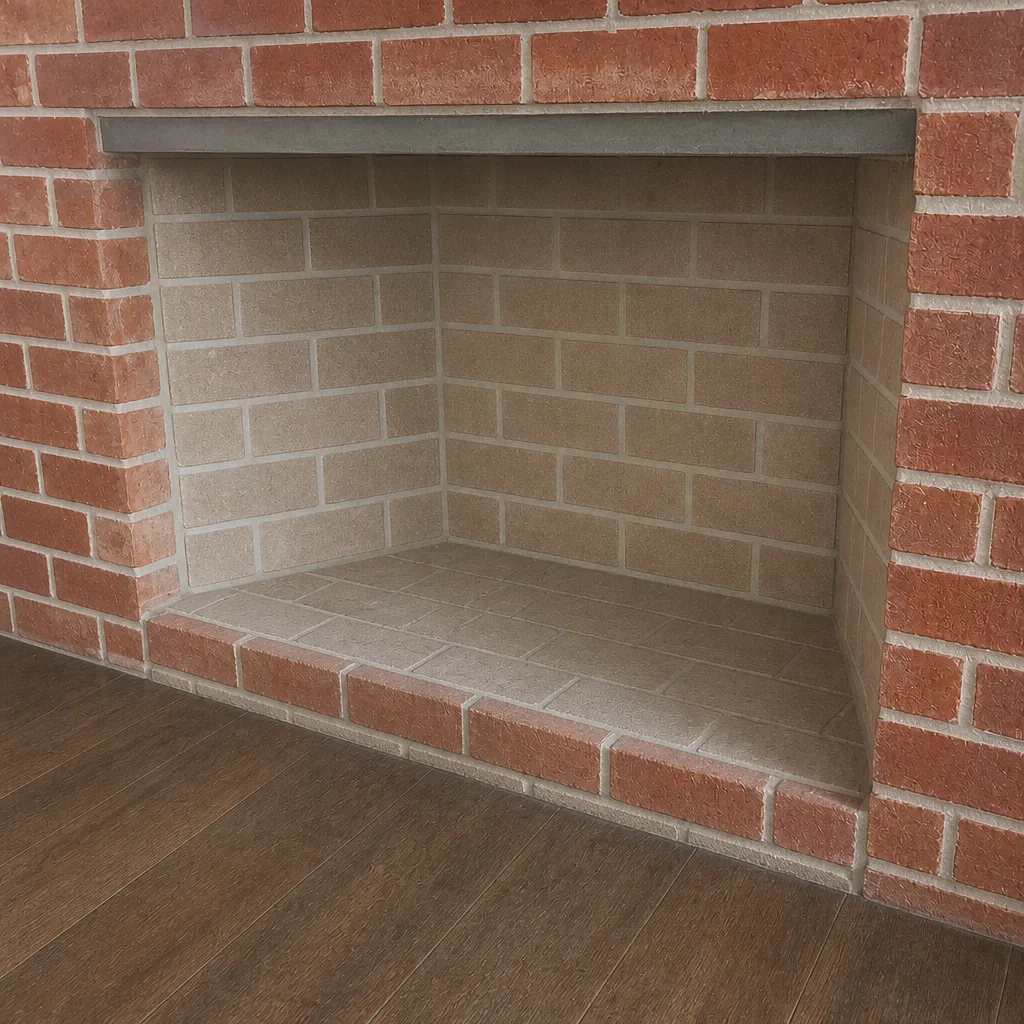 After
When to Call a Professional
Call a professional if you have smoke or fumes backing into the room, visible cracks in the flue liner or firebox, a musty odor that returns after cleaning, white staining or spalling brick on the exterior, or a cap that’s loose, damaged, or missing. Also call if you’re not sure which category your symptom falls into. Our technicians have up to 11 years of experience tracing these problems, and an inspection with camera evidence shows you exactly what’s going on. Nothing gets recommended without evidence you can see for yourself. Unity Chimney Sweep offers free estimates in Port St. Lucie. Call (844) 990-3838. We answer 24/7. Fast dispatch from 7am to 7pm, Sunday through Friday.
Frequently Asked Questions
Because the smell is coming from moisture, not soot. Cleaning removes creosote, but a damp flue or porous masonry holds water and that’s what produces the musty, sour odor. The fix is finding the moisture source: a failed cap, a cracked crown, bad flashing, or a damaged liner. Call (844) 990-3838 and we’ll trace it, and the estimate is free.
Crack a nearby window and light a small fire. If it draws better with the window open, it’s likely a negative pressure problem in a tight house. If it smokes regardless of windows, suspect a blockage like a nest or a failed cap. Either way, a camera inspection shows you what’s actually in the flue.
Yes, it’s worth a look. White powdery staining, called efflorescence, means water is moving through the masonry and leaving mineral salts behind as it dries. It’s not harmful to touch, but it’s a structural warning that water is getting in. Left alone, it can progress to flaking brick.
An annual inspection is the standard recommendation, ideally before the burning season starts. In our climate, the off-season matters too, because a chimney that sits unused through the humid months is more exposed to moisture and nesting. A short check before the first fire of the year catches most problems early.
Yes, and sometimes more than a chimney used regularly. A flue that sits cold, damp, and open for months is more attractive to animals and more exposed to moisture. Lack of use doesn’t mean the chimney is safe. It means the risks shift toward nesting and water damage rather than creosote buildup.
Small problems turn into large ones. A minor crack in the crown becomes a moisture problem, which becomes spalling masonry, which becomes a repair. A blocked flue becomes a carbon monoxide risk. An inspection is the cheapest part of chimney care, and it’s the part that lets you tell a maintenance item from a hazard. Call (844) 990-3838 to book one – estimates are free.
The Bottom Line
Most chimney problems in Port St. Lucie aren’t random. They follow patterns set by the humid climate, seasonal use, and the way tight houses handle air pressure. A musty smell that returns after cleaning is a moisture problem, white staining on the exterior is a water problem, and a smoky fire is either a draft or a blockage issue. Learn to read the symptoms and you can tell what can wait from what can’t. Stop using the fireplace for smoke in the room, cracked liners, or a recent chimney fire. Schedule the rest. When you’re unsure, that’s the call to make. A full-service specialist can inspect, sweep, and repair in one place, so one company, every part of the chimney, becomes one trusted point of contact. Unity Chimney Sweep handles all three, from a routine Unity Chimney Sweep visit to a full liner resurface with HeatShield or a DuraFlex reline. We work with professional-grade brands like Gelco, Copperfield, Olympia Chimney, and Famco so caps, covers, and components are spec-grade. If you’re in Port St. Lucie and want to know what your chimney is telling you, call (844) 990-3838 for a free estimate. We answer 24/7. Fast dispatch from 7am to 7pm, Sunday through Friday.
Written by the team at Unity Chimney Sweep.