
Last updated November 16, 2026
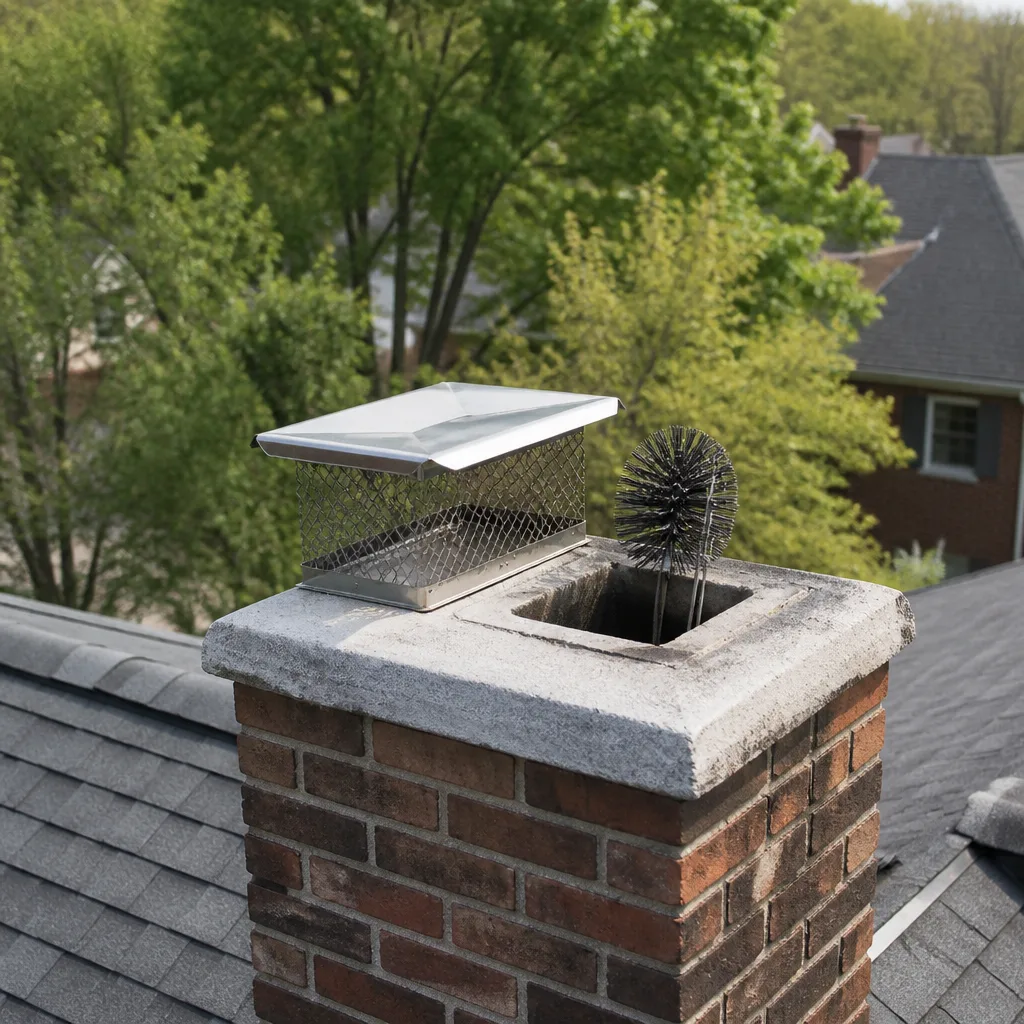 Sweep & inspection
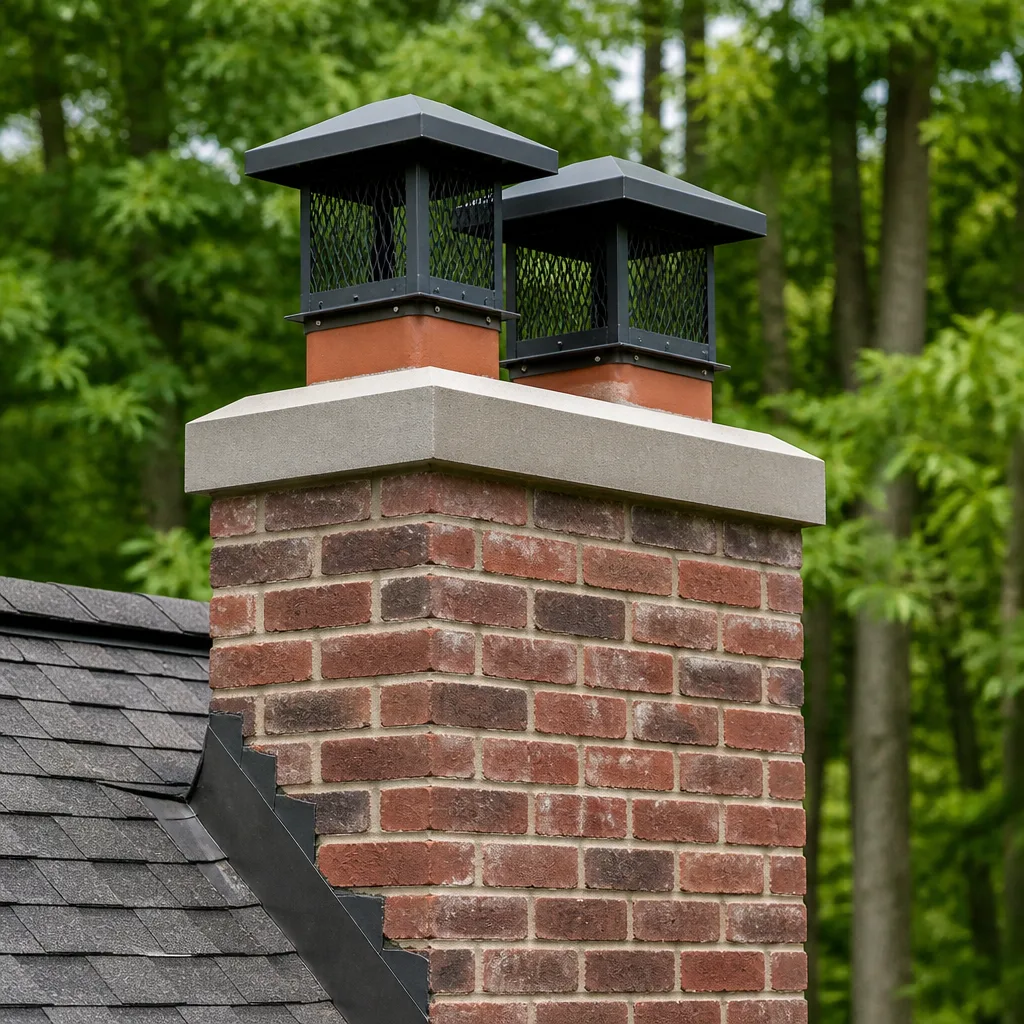 Caps & crowns
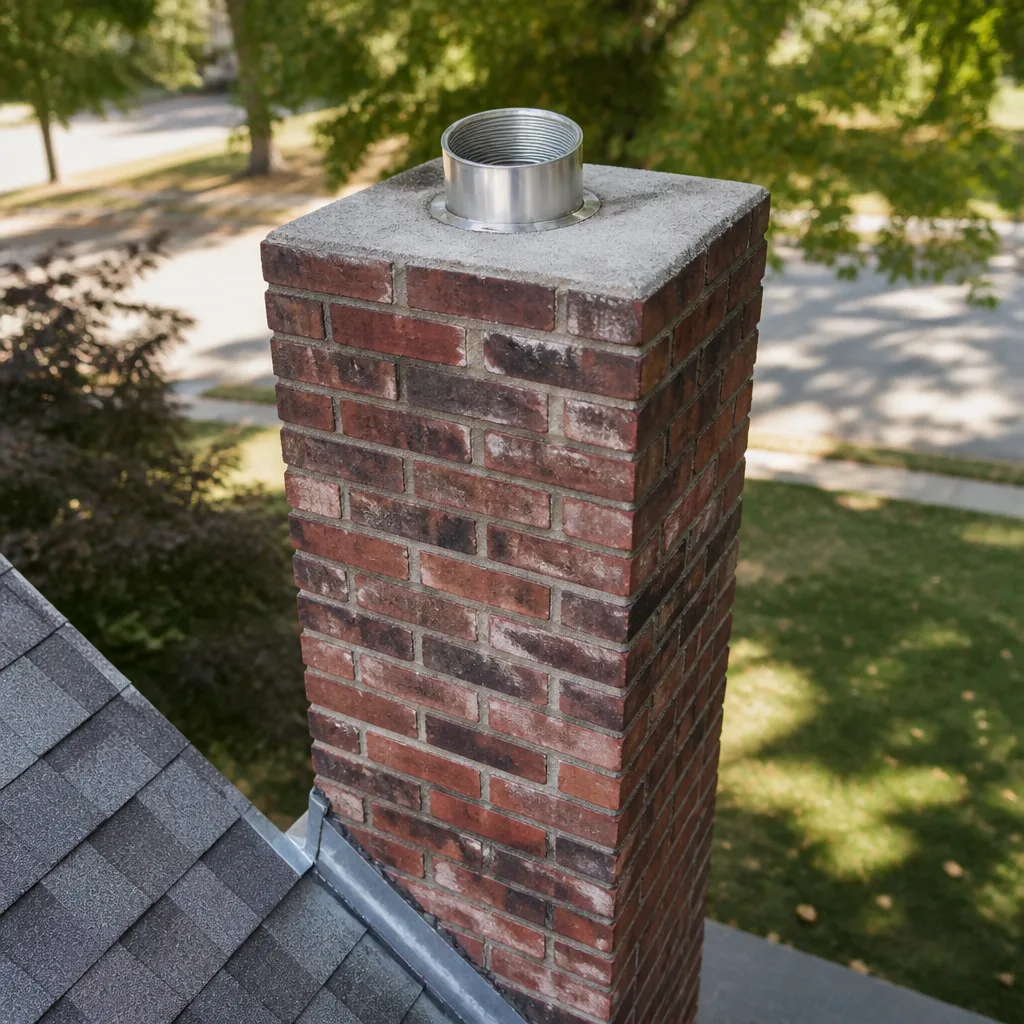 Flue relining
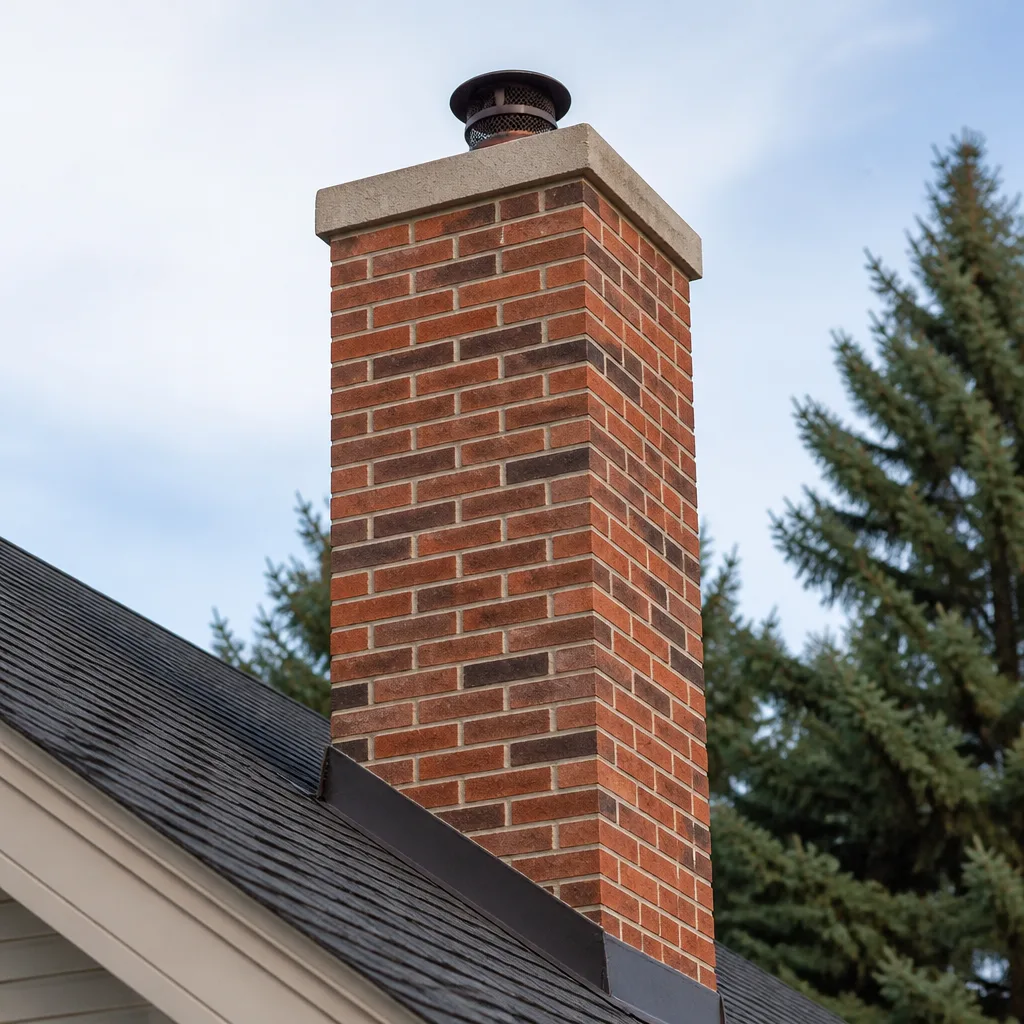 Masonry repair
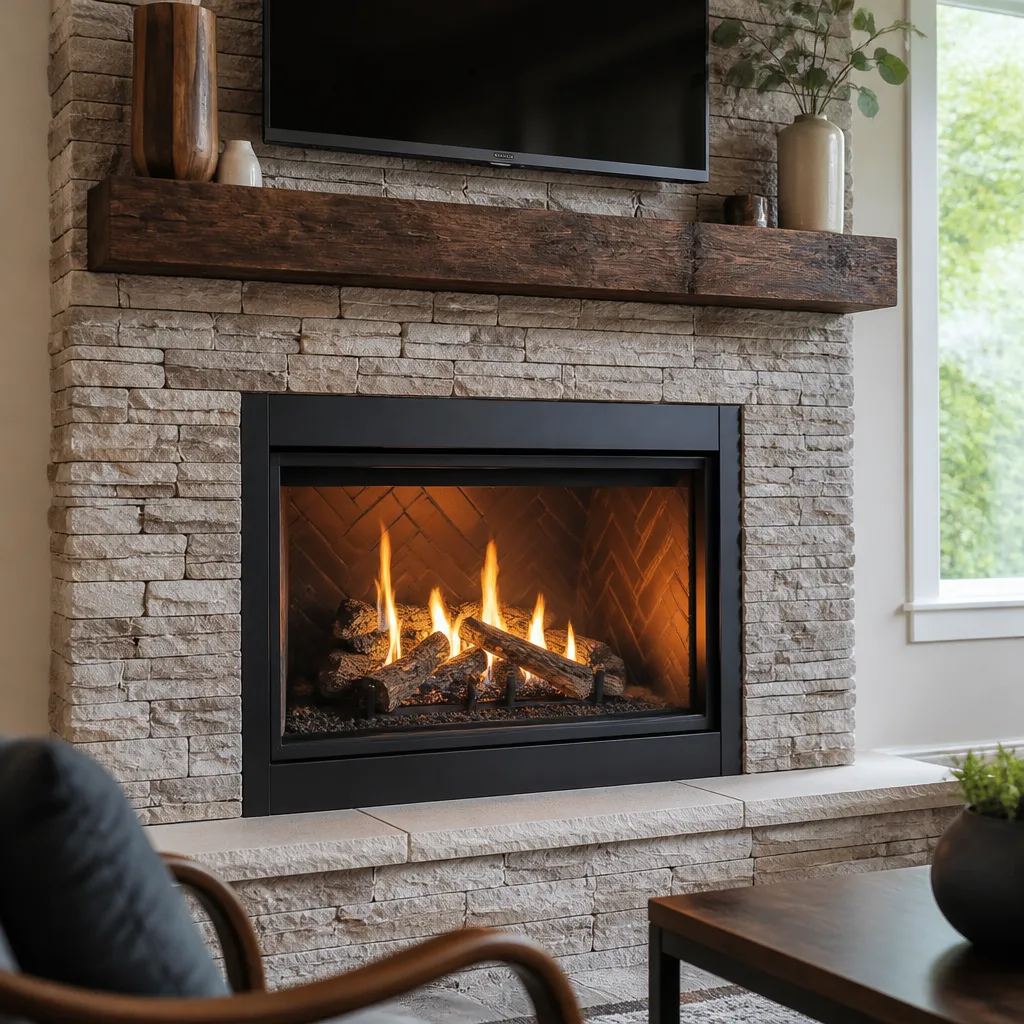 Gas fireplace service
Level 1 sweep and inspection to the NFPA 211 annual standard - flue, crown, cap, and flashing checked and photographed
Chimney sweep logs do not sweep chimneys. They loosen some creosote - which then falls where a brush and vacuum still have to collect it.
Choosing the Right Chimney Cleaning Brand: A Buyer’s Guide for Port St. Lucie
If a chimney contractor can’t name the brand of liner or sealant they’re installing, that’s not a minor detail. It’s the difference between a repair that lasts 15 years and one that needs to be redone in three. Plenty of homeowners in Port St. Lucie hire a sweep, get a clean flue, and never think to ask what went into the repair work that followed. That’s the gap this guide closes. We’ll walk through the product categories where brand selection actually matters, what a recognized brand gives you that a generic substitute doesn’t, and the exact questions to ask before anyone touches your chimney.
Quick Answer
The right chimney cleaning and repair company is one that uses industry-recognized products with UL listings and manufacturer warranties, not generic hardware-store substitutes. In Port St. Lucie, that means asking three things before work begins: what brand of liner or sealant will be used, whether it carries a UL listing, and whether the manufacturer warranty is transferable to you as the homeowner. A full-service chimney specialist is more likely to answer all three clearly because branded materials are central to the repair side of their business.
Styles & brands we work with
- Sweep & inspection
- Caps & crowns
- Flue relining
- Masonry repair
- Gas fireplace service
Table of Contents
- Where Brand Selection Matters Most in Chimney Service
- What Industry-Recognized Brands Offer That Generic Alternatives Don’t
- How to Ask a Chimney Contractor About the Products They Use
- Why Product Quality and Installation Quality Are Both Necessary
- The Full-Service Advantage for Branded, Warranted Products
- What Port St. Lucie Homeowners Should Know About Local Chimney Care
- Red Flags in a Chimney Company’s Product Answers
Where Brand Selection Matters Most in Chimney Service
Not every part of a chimney job carries the same product risk. Sweeping a flue is mostly about technique and tools. Repair work is about materials. Four product categories carry the most weight when it comes to whether a chimney repair actually holds up in Port St. Lucie’s humid, storm-heavy climate.
Flue Liners
Liners sit between your fire and the structure of your home. A stainless liner from a recognized brand gives you a known alloy, a stated wall thickness, and a documented test standard. An unbranded liner gives you none of that. In our experience, liner selection is where the biggest gap between branded and generic products shows up, because the material chemistry and manufacturing tolerances are the whole product.
Waterproofing Sealants
Masonry is porous. In a climate like Port St. Lucie’s, where humidity runs high and afternoon storms are routine, a brick chimney without proper waterproofing takes on moisture that degrades the mortar joints from the inside out. A branded sealant formulated for masonry vapor transmission lets the wall breathe while keeping bulk water out. Generic sealants sometimes trap moisture, which is worse than no sealant at all. HeatShield products are one of the brands we work with because they’re engineered for this exact application.
Chimney Caps and Covers
A chimney cap keeps rain, animals, and debris out of the flue. Gelco and Copperfield both make spec-grade caps and covers with documented materials and fit tolerances. A hardware-store cap can work, but it may not fit properly, and a poor fit lets water in around the edges instead of keeping it out.
Firebox Repair Compounds
The firebox takes the direct heat of every fire you burn. Repair compounds for firebox and flue resurfacing are formulated to specific temperature ratings. HeatShield is a recognized name in this category, and the material has to meet a published thermal specification to be used inside a firebox safely. Generic mortar mix isn’t the same product.
What Industry-Recognized Brands Offer That Generic Alternatives Don’t
Branded products give you three specific things a generic substitute can’t promise. When you’re paying for a repair on a chimney that vents a fire you rely on for warmth, those three things are the whole reason to ask.
- UL listings. A UL listing means the product has been tested to a published standard by an independent laboratory. You can look up the listing. You can’t look up an unbranded product’s test data because the manufacturer isn’t identified.
- Thermal performance ratings. Products that sit inside or around a flue need documented heat resistance. A branded liner states its temperature rating. A generic one often has no rating at all, just a claim on a box.
- Manufacturer warranties. Recognized brands back their products with written warranties. If a liner fails, you have a manufacturer to call. With a generic product, your only recourse is the contractor who installed it, and if that contractor is gone, so is your protection.
There’s a fourth benefit that doesn’t show up on a spec sheet: professional-grade products tend to install more predictably. Branded components are manufactured to tighter tolerances, so the fit is consistent and the installation is more likely to match the manufacturer’s instructions. That consistency is part of why the branded repair tends to last.
None of this means generic products are all bad. It means you can’t tell the good from the bad without a brand to check. The brand is your verification tool.
How to Ask a Chimney Contractor About the Products They Use
Asking about products is a normal, reasonable question. A contractor who uses branded materials will answer it directly and probably seem glad you asked. A contractor who cuts corners will get vague. Here’s how to frame the conversation so you learn what you need to know before work begins.
- Ask what brand of liner or sealant they plan to use. “What brand of liner will you install?” is a direct question with a direct answer. If they say “a stainless liner” without naming a brand, ask again.
- Ask whether the product carries a UL listing. A yes is good. “I’d have to check” is acceptable if they follow up. “It doesn’t need one” is not.
- Ask about the manufacturer warranty. How long is it, and does it transfer to you if you sell the house? Branded products typically carry transferable warranties. Ask for the warranty terms in writing.
- Ask who installs it. The same company that inspects and cleans should be doing the repair work. Handoffs between companies are where accountability gets lost.
- Ask for the written estimate to specify the brand and product by name. If the estimate says “liner install” without naming the product, ask them to add it before you sign anything.
When we answer these questions for Port St. Lucie homeowners, we can point to the specific brands in our product roster: DuraFlex for liners, HeatShield for resurfacing and sealants, Gelco and Copperfield for caps and covers, and Olympia Chimney and Famco for related components. We’re not exclusive with any of them, but they’re the products we work with because they have the documentation homeowners ask for. If a contractor can’t name brands at all, that’s a signal about how they approach the repair side of the work.
Why Product Quality and Installation Quality Are Both Necessary
The best liner installed incorrectly still fails. This is the piece that product-focused conversations sometimes miss. A branded, UL-listed liner is the starting point, not the finish line. Installation quality decides whether the product performs the way the manufacturer intended.
What good installation involves:
- Proper sizing of the liner to the flue and the appliance it vents.
- Correct connection at the top plate and at the appliance collar, with no gaps.
- Insulation where the manufacturer’s instructions call for it.
- Correct termination at the top, with adequate clearance from combustibles.
- A verification step: the installer should confirm the liner is seated properly before the job is called done.
When we install a DuraFlex liner in Port St. Lucie, the brand is part of the warranty conversation and the installation is part of the performance conversation. Both matter. A homeowner who asks about brand and never asks about installation has done half the homework.
This is also why the diagnostic-first approach matters. We inspect before we sweep, and repair what we find. The inspection is where the decision about which product to use actually gets made. If the flue has cracked mortar joints and needs resurfacing before a liner goes in, HeatShield resurfacing is the product decision, and the installation sequence is the labor decision. They’re linked, and skipping one damages the other.
The Full-Service Advantage for Branded, Warranted Products
A cleaning-only company cleans. That’s the whole job. A full-service chimney specialist does the inspection, the sweep, and the repair, and that scope changes how likely it is that branded, warranted products get used throughout the process.
Here’s why. A cleaning-only company that finds a cracked flue during a sweep often has to hand you off to a repair contractor. The repair contractor is a different company with different product relationships, and the products they use may not be the ones the cleaning company would have chosen. The homeowner ends up making two calls, meeting two crews, and getting two invoices with two different sets of product explanations.
A specialist who handles inspection, sweep, and repair keeps the product conversation in one place. If the flue needs resurfacing with HeatShield, or a new DuraFlex liner, or a Gelco cap, the same company that found the problem is the one specifying the product and installing it. That’s what we mean by one company, every part of the chimney.
Our technicians have up to 11 years of experience, and that experience is mostly in the repair side of the work. Sweeping is the entry point. Liners, resurfacing, and cap work are where product knowledge actually gets tested.
What Port St. Lucie Homeowners Should Know About Local Chimney Care
Port St. Lucie’s climate puts specific demands on a chimney that homeowners elsewhere don’t face. The winters are mild, so fires may be occasional rather than constant, but the humidity is high year-round and summer thunderstorms are routine. That combination affects which products matter most and which problems show up first.
Humidity and storm rain are the two biggest factors. Masonry takes on moisture when rain hits it from an angle, and high ambient humidity slows drying. Waterproofing sealant selection matters more here than it does in a dry climate. A branded masonry sealant that allows vapor to escape while blocking bulk water is the right choice. A generic sealant that traps moisture inside the brick can accelerate the damage it was meant to prevent.
Caps matter for the same reason. A cap that fits poorly lets rain into the flue around its edges. Custom-fit caps from Gelco or Copperfield are sized to the actual flue, not bought off a shelf in a standard size.
Older neighborhoods across Port St. Lucie have chimneys that were built decades ago with construction techniques that have since been updated. If you’re buying a home in a neighborhood like Sandhill Crane or the communities off Becker Road, and the chimney hasn’t had an inspection, the flue condition is unknown. That’s not a reason for alarm, but it is a reason to have a camera inspection done before the first fire of the season. We inspect before we sweep, and repair what we find. When you need chimney repair after that inspection, the repair is handled by the same company that did the inspection.
If you’ve been searching for a chimney sweep in Port St. Lucie and comparing companies on price alone, ask each one the product questions in this guide. The answers will tell you more than the price quote does.
Red Flags in a Chimney Company’s Product Answers
Some answers tell you a lot by what they leave out. Here’s what to listen for when you ask about products and brands.
- “We use whatever’s available.” That means the product decision is made at the supply house, not on the basis of what your chimney actually needs.
- “Brands don’t matter.” They do. A UL listing and a manufacturer warranty exist for a reason, and you can’t verify either one without a brand name.
- “We’ve been doing this a long time, trust us.” Experience is worth something, but it’s not a substitute for naming the product and showing you the listing.
- No written estimate that names the product. A written estimate is the document that protects you. If the product isn’t named in it, it isn’t guaranteed in it.
- Handoffs to a different company for the repair. If the sweep company is handing you off for the liner install, ask who actually performs the repair and what brands that company uses.
A company with confidence in its product choices will answer every one of these questions without hesitation. The Unity Chimney Sweep approach is to name the brand, explain why it was chosen for your chimney, and put it in the estimate. That’s the whole conversation.
Common Mistakes to Avoid
- Hiring on price alone. A low quote with an unbranded liner isn’t a savings. It’s a repair that may need to be redone. Ask what’s different about the product before you compare prices.
- Not asking for the brand in writing. A verbal brand promise is easy to walk back. A brand named in the written estimate is enforceable and gives you documentation if something fails.
- Skipping the inspection to save time. The inspection is where the product decision gets made. Without it, a contractor is guessing which materials to use. In Port St. Lucie’s humid climate, the wrong sealant choice is costly to undo.
- Confusing a clean flue with a safe chimney. A clean chimney is the starting point, not the finish line. The sweep clears creosote. The inspection finds the cracks and the failed mortar that a sweep can’t fix.
- Assuming all stainless liners are equal. Alloy, wall thickness, and test standard vary. A branded DuraFlex liner states its specifications. An unbranded liner may not.
- Choosing a cleaning-only company for a repair job. The sweep company that hands you off for the liner install isn’t accountable for the product they recommended. One company through the whole job keeps the accountability clear.
- Ignoring the manufacturer warranty. A branded product with a transferable warranty is worth more at resale. Ask about it before the work begins, not after.
See the difference
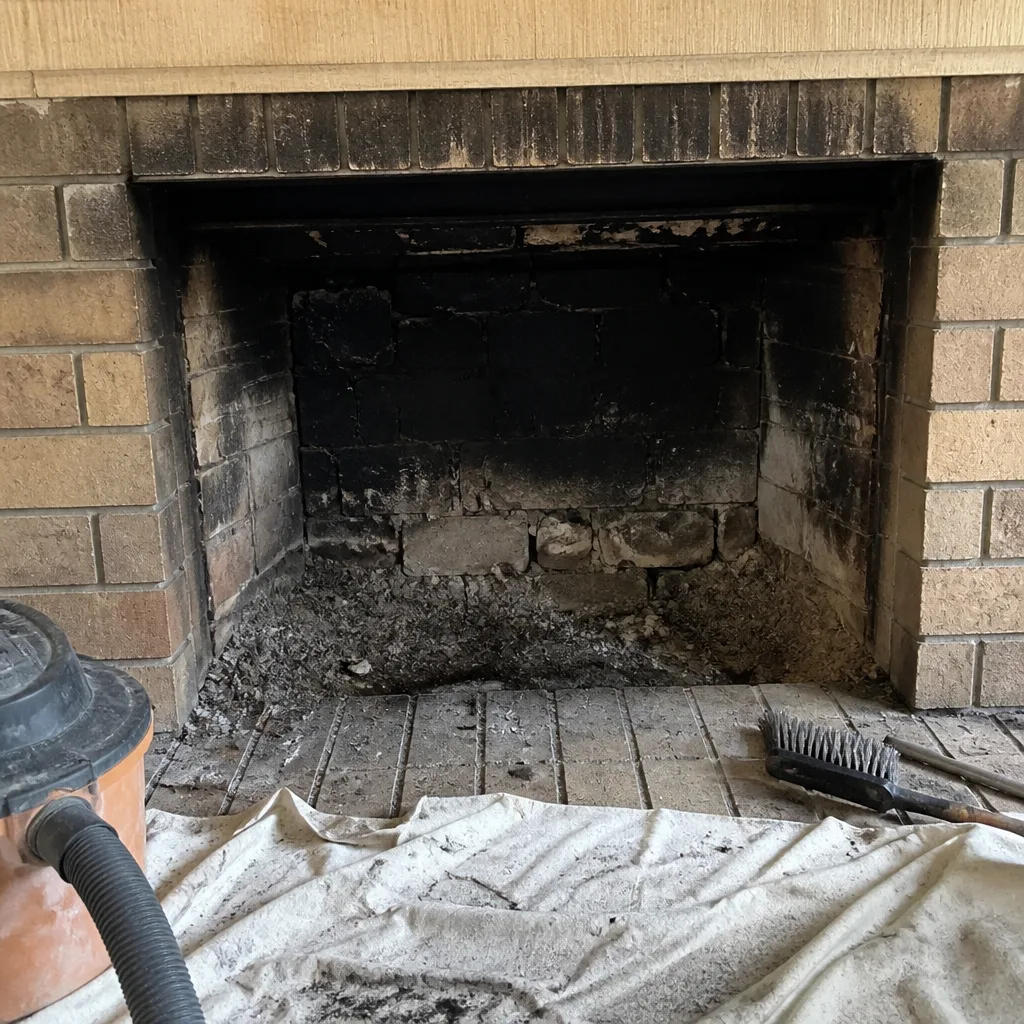 Before
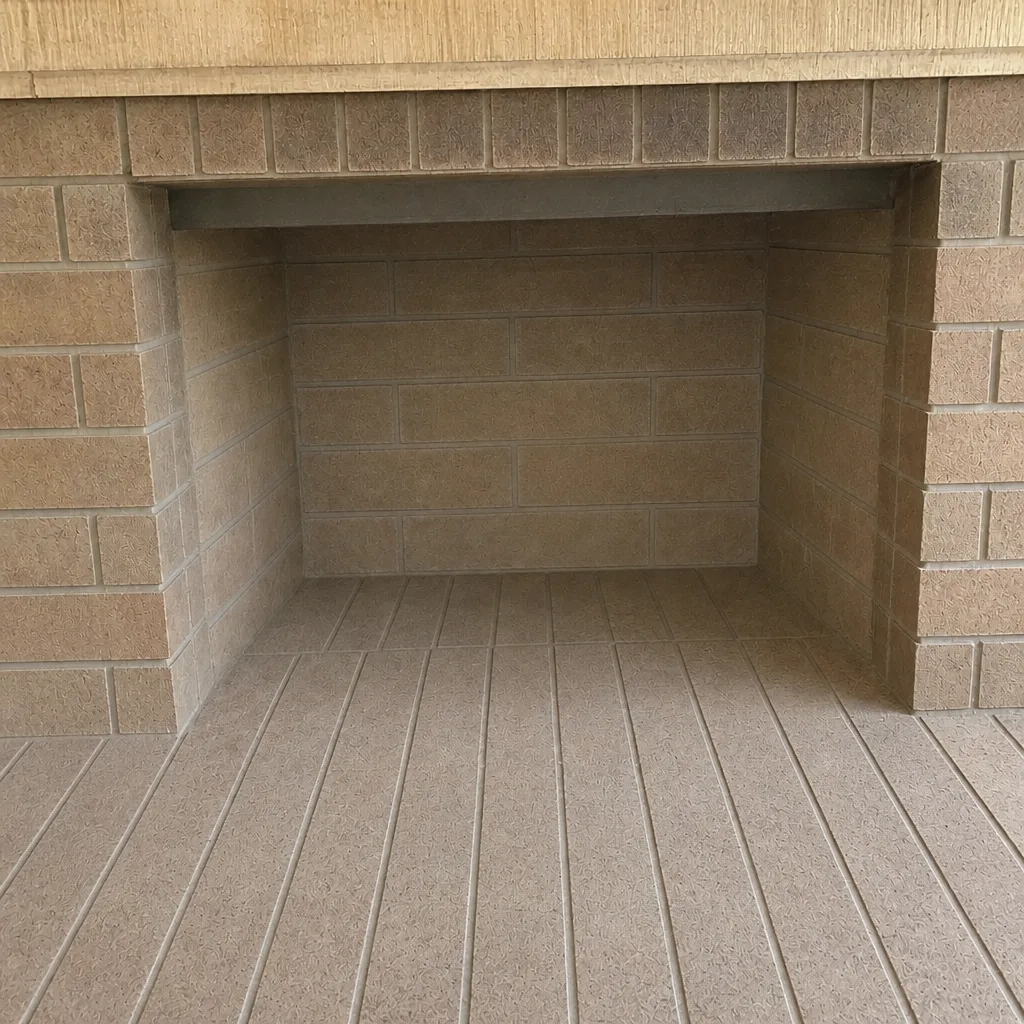 After
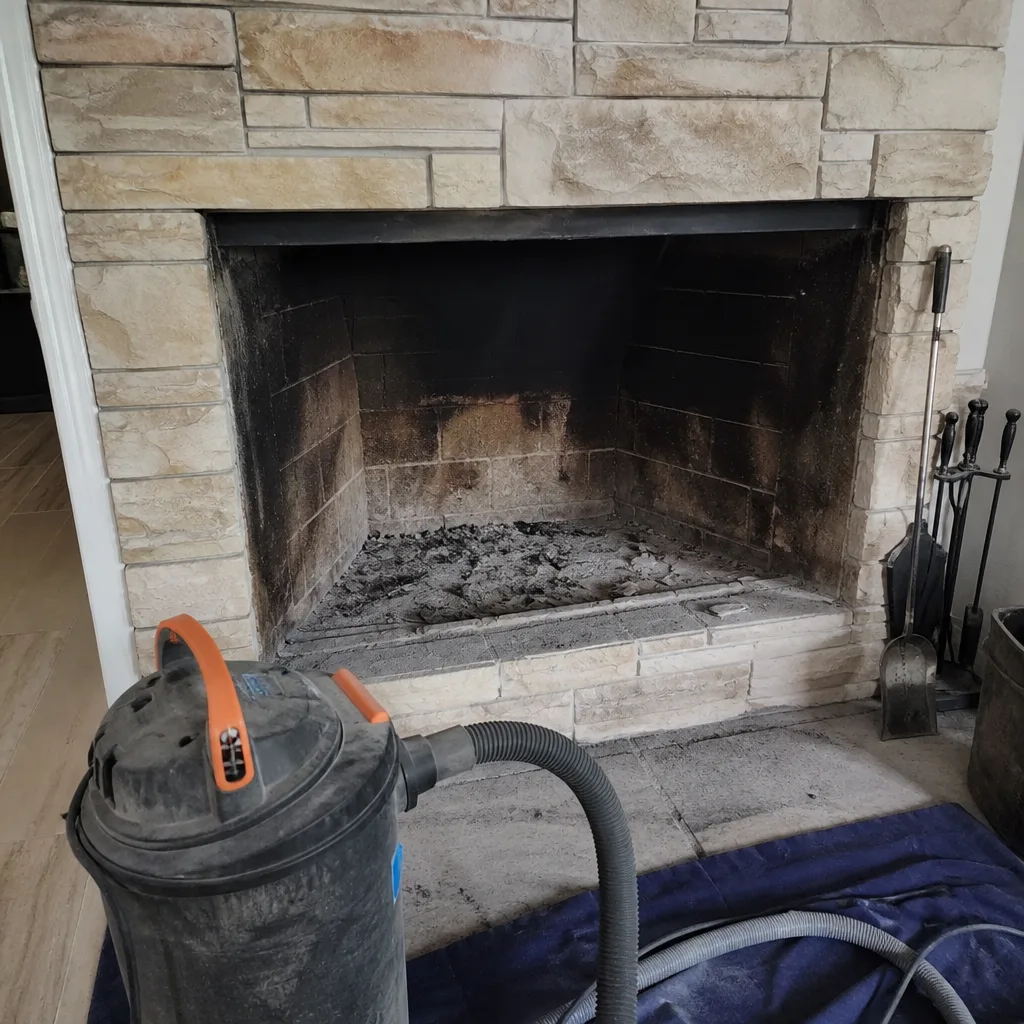 Before
 After
 Before
 After
When to Call a Professional
Some chimney work is routine maintenance and some is a call that shouldn’t wait. Call a professional if you smell creosote inside the house when the fire isn’t burning, if smoke rolls into the room when you light a fire, if you can see cracked or missing mortar in the firebox, or if a strong draft pulls smoke back down the flue on a windy day. Any of these signals something the camera needs to look at before you burn another fire. For homeowners in Port St. Lucie, the humid climate adds another reason to call: mortar that’s softened from moisture doesn’t wait for a convenient time to fail. Unity Chimney Sweep offers free estimates in Port St. Lucie. Call (844) 990-3838. We answer 24/7. Fast dispatch from 7am to 7pm, Sunday through Friday. When you’d rather read up on the full scope of services first, the Port St. Lucie page covers the basics.
Frequently Asked Questions
DuraFlex is one of the recognized liner brands used by professional chimney companies in Port St. Lucie. The important thing is that the brand is named in the written estimate, that the product carries a UL listing, and that the manufacturer warranty is passed to you. Ask for all three before you sign anything. Call (844) 990-3838 for an exact quote. Estimates are free.
Yes, mainly in fit and warranty. A branded cap from a line like Gelco or Copperfield is made to specific tolerances and comes with a manufacturer warranty. A generic cap may not fit the flue opening properly, and a poor fit lets water in around the edges instead of keeping it out. In Port St. Lucie’s storm climate, that fit matters. Call (844) 990-3838 to have someone look at your cap and tell you what it needs.
Ask for the brand and whether it’s formulated for masonry vapor transmission. A branded masonry sealant lets the wall breathe while blocking bulk water. A generic sealant can trap moisture and cause more damage than no sealant. HeatShield is one of the brands we use for this because it’s engineered for masonry application. Call (844) 990-3838 for an exact quote on waterproofing. Estimates are free.
Yes, because product quality and installation quality are both necessary. An experienced installer using an unbranded liner still can’t give you a manufacturer warranty or a verified UL listing. A branded liner installed poorly also fails. You want both: a named brand in the estimate and an installer who puts it in to the manufacturer’s instructions. Call (844) 990-3838 and ask us both questions before we book the job.
A company that handles all three keeps the product decision in one place. A cleaning-only company that finds a problem has to hand you off to a repair contractor, and the products that repair contractor uses may not be the ones the cleaning company would recommend. The single-company approach means the same people who found the problem specify the fix. Call (844) 990-3838 to book an inspection and cleaning together. Estimates are free.
Yes, if you have the product name or listing number. Branded products publish their listings, and you can check them against the manufacturer’s documentation. Ask for the product name in writing so you have something to verify. That’s the simplest reason to insist on a branded product: you can check it. Call (844) 990-3838 and we’ll put the product name in the written estimate before you commit.
The Bottom Line
The products a chimney company uses are a window into how seriously they treat the repair side of the work. A liner, a sealant, a cap, and a firebox compound each carry published performance data and manufacturer warranties when they’re branded. Generic substitutes carry neither. In Port St. Lucie’s humid, storm-prone climate, that difference plays out in how a repair holds up over the years. Before you hire anyone, ask what brand they’ll use, whether it’s UL listed, and whether the warranty transfers to you. A company that answers those questions clearly is a company you can call once and trust completely. We inspect before we sweep, and repair what we find. Call (844) 990-3838 for a free estimate.
Written by the team at Unity Chimney Sweep.