
Last updated November 16, 2026
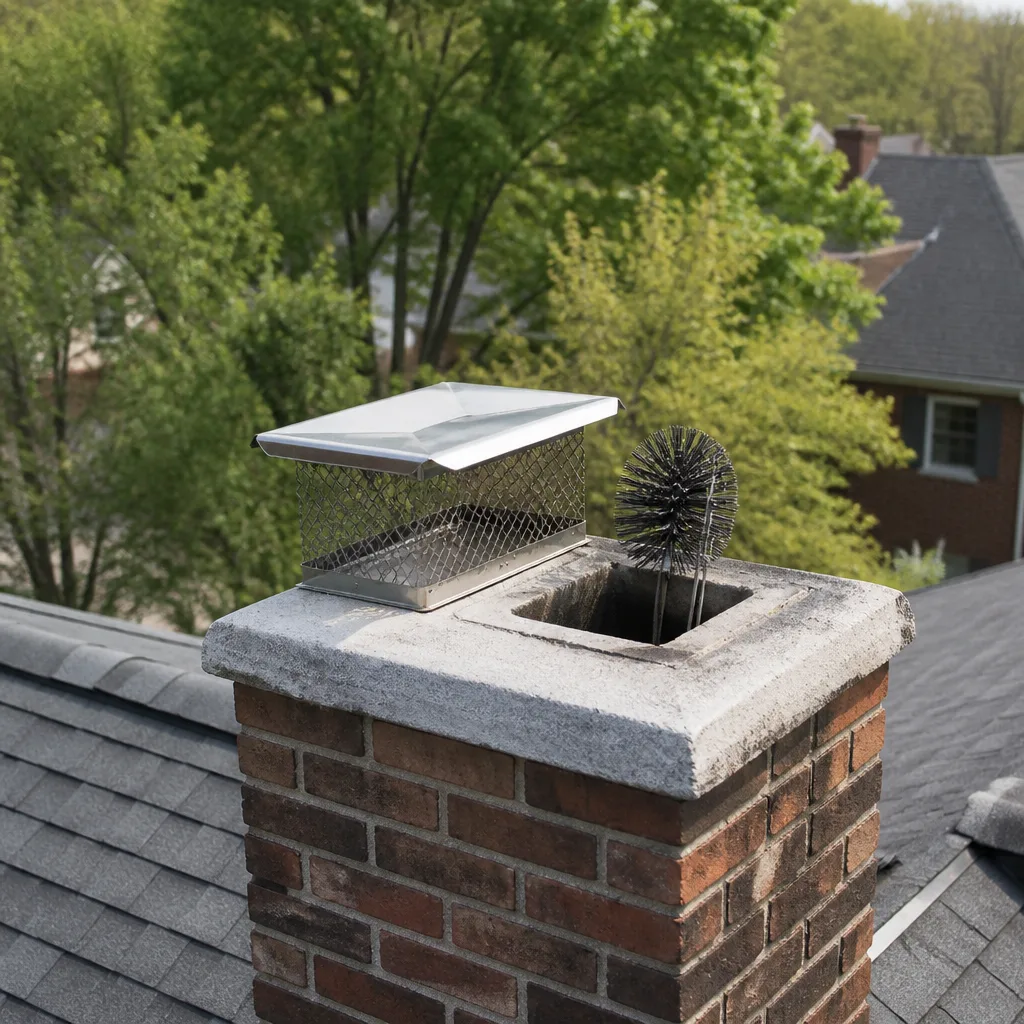 Sweep & inspection
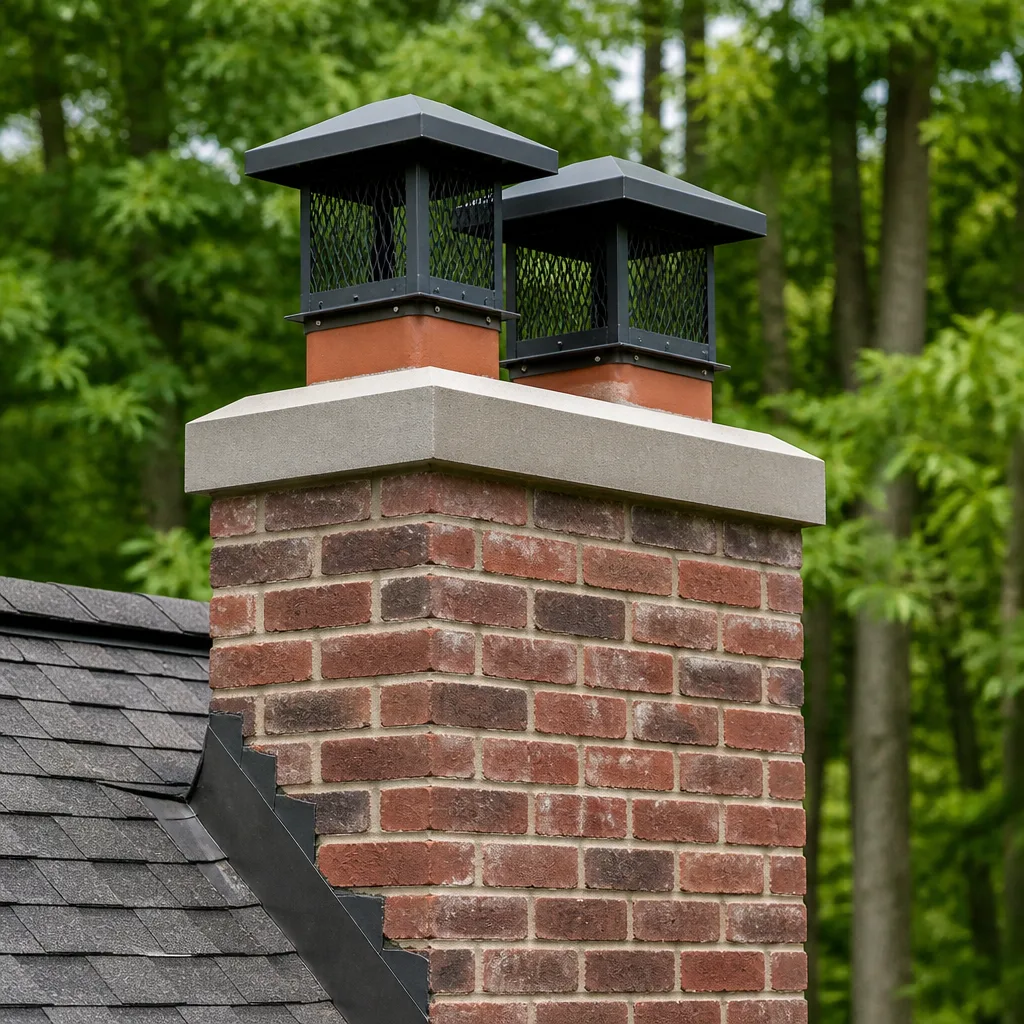 Caps & crowns
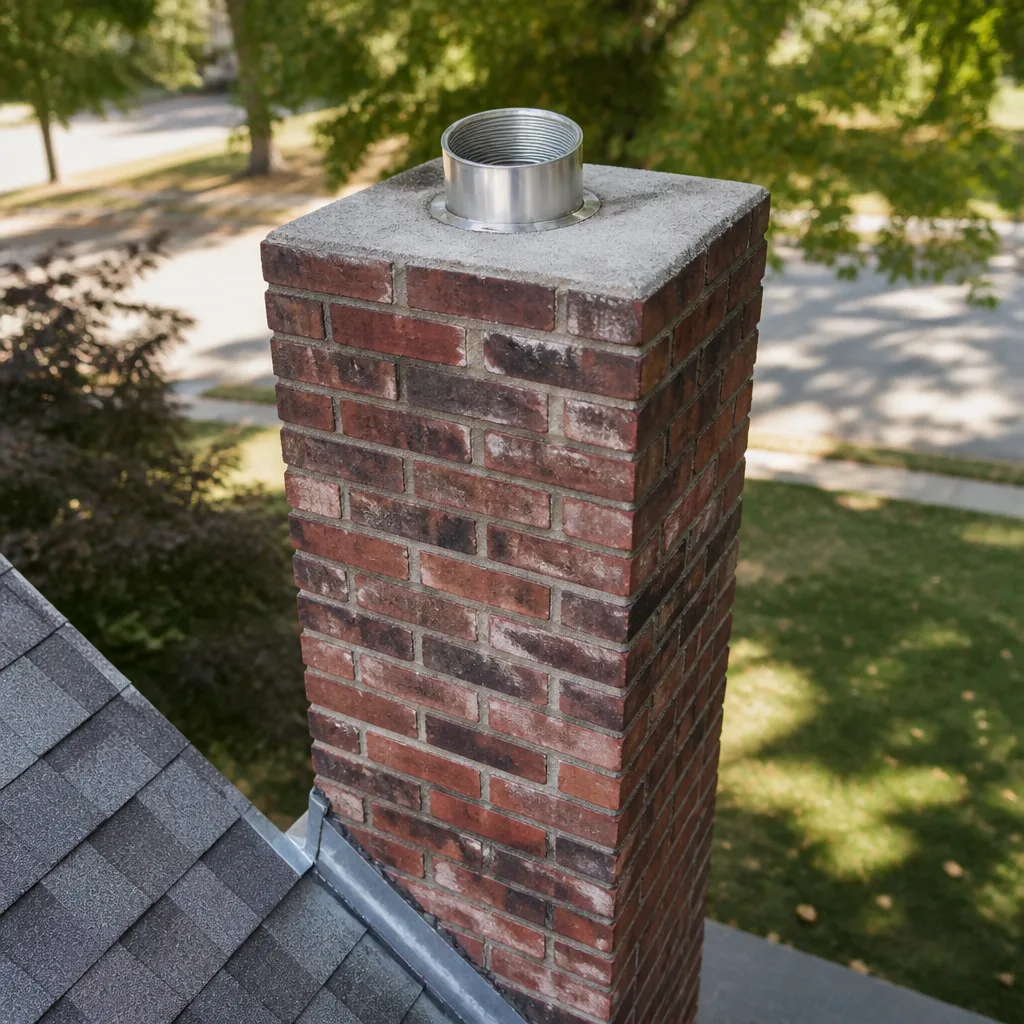 Flue relining
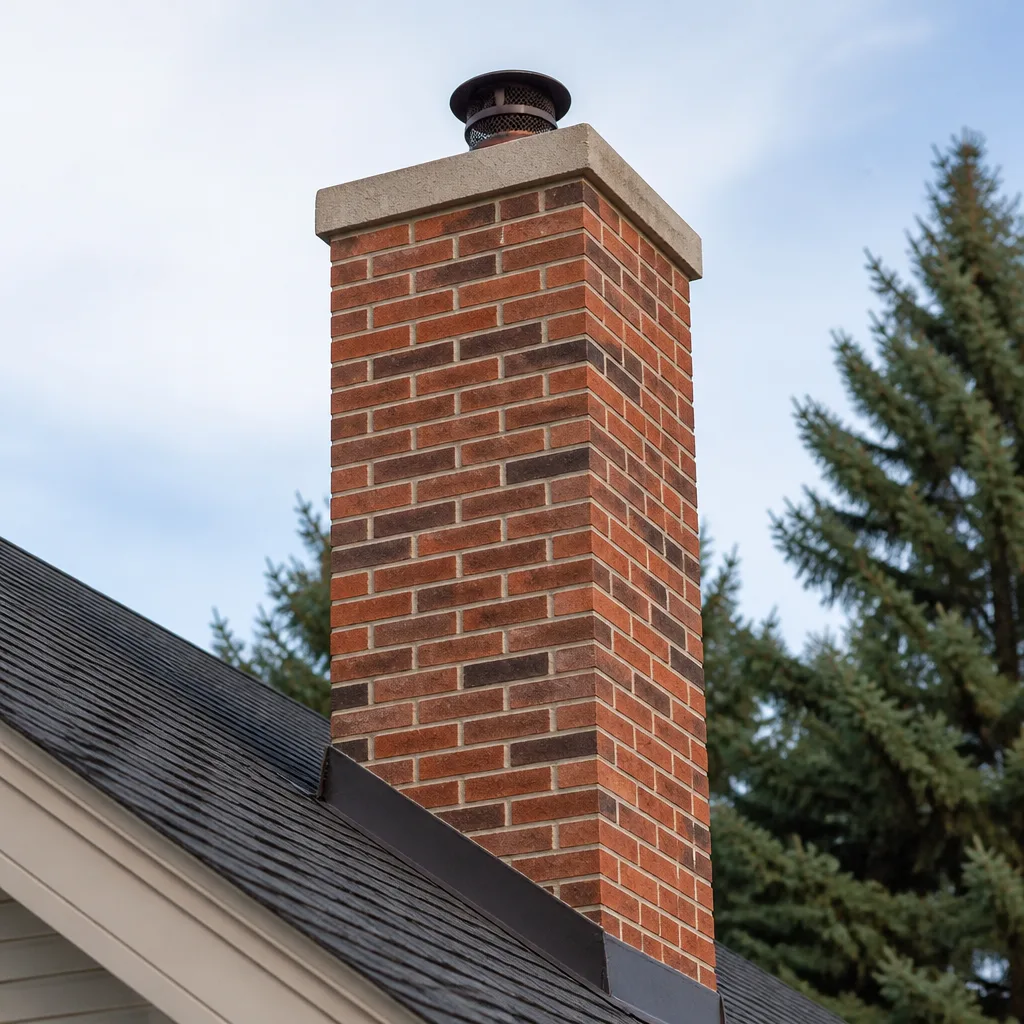 Masonry repair
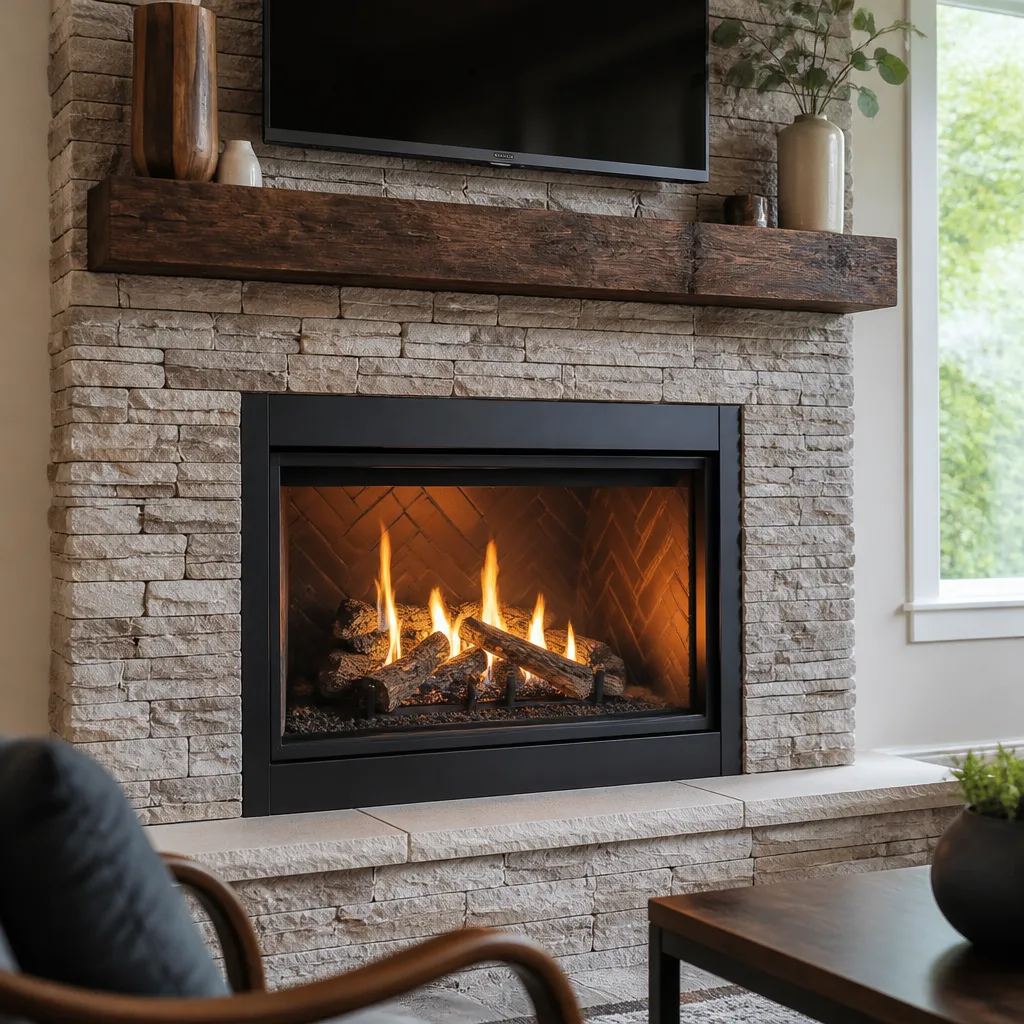 Gas fireplace service
Level 1 sweep and inspection to the NFPA 211 annual standard - flue, crown, cap, and flashing checked and photographed
Chimney sweep logs do not sweep chimneys. They loosen some creosote - which then falls where a brush and vacuum still have to collect it.
How to Hire a Chimney Cleaning Contractor in Port St. Lucie: A Step-by-Step Guide
There is no Florida state license called “chimney sweep.” That’s the counterintuitive part most homeowners don’t know until they start calling around. It means the barrier to advertising chimney cleaning in Port St. Lucie is essentially zero: a pressure-washing company with a brush and a ladder can print “chimney sweep” on a van tomorrow. The homeowner carries all the risk of choosing wrong, and the difference between a real sweep and an opportunist shows up in what they can prove, not what they promise. This guide gives you a specific filter for separating chimney professionals from generalists who added the service for slow months. You’ll learn the credential that actually means something, the questions to ask before you book, and how to read a quote so the line items tell you who you’re dealing with.
Quick Answer
Hiring a chimney cleaning contractor in Port St. Lucie comes down to three checks: confirm the technician holds CSIA certification, ask for proof of liability insurance and a written inspection report, and choose a company that inspects, sweeps, and repairs rather than one that only cleans. A specialist inspects before sweeping, documents what they find, and can fix it with product lines made for the job. A generalist cleans, hands you a bill, and refers you elsewhere when something’s actually wrong. Everything below is a way to verify those three things before you let anyone on your roof.
Styles & brands we work with
- Sweep & inspection
- Caps & crowns
- Flue relining
- Masonry repair
- Gas fireplace service
Table of Contents
- Why Certification Is the First Filter, Not the Price
- What CSIA Certification Actually Verifies
- Clean-Only vs. Inspect, Sweep, and Repair: Why It Matters
- Questions to Ask Before You Book
- Red Flags Specific to the Port St. Lucie Market
- How to Compare Chimney Quotes Accurately
- What a Professional Sweep Actually Involves
- The Port St. Lucie Context: Wood Burning in a Mild Climate
Why Certification Is the First Filter, Not the Price
Start with credentials, not quotes. When you sort Port St. Lucie chimney contractors by price first, you’re sorting by the one number that tells you the least about who’s actually showing up. Credentials tell you the most. The cheapest call is meaningless if the person holding the brush can’t recognize a cracked flue tile or a deteriorating liner when they see one.
Chimney work is a small trade inside a much larger home-services market. Most Port St. Lucie homeowners hire a chimney professional once a year at most, so they never build the pattern recognition that comes from hiring, say, an AC company three times and learning what good looks like. That gap is where opportunists live. A company that only advertises during our mild winter, that has no verifiable local presence, or that quotes a job without ever climbing up to look at the chimney is counting on you not knowing the difference.
The filter is simple: ask what certification the technician holds. The Chimney Safety Institute of America (CSIA) is the recognized credentialing body for this trade, and it’s the baseline to look for. Ask the company to name it plainly. If the answer is vague (“we’re fully trained,” “we follow all codes”), that’s your signal. A company that holds the credential says so without hedging because it’s the first thing they want you to know.
Certification sits alongside insurance as the two things worth verifying before anything else. Everything else in this guide builds on that foundation.
What CSIA Certification Actually Verifies
CSIA certification confirms that a technician has passed a standardized exam on chimney and venting systems and has committed to a code of ethics. It’s not the same as a state contractor’s license, because no such specialty license exists in Florida. It’s a professional credential from the trade’s own body, and it’s the closest thing to a real quality signal in a market where anyone can hang out a shingle.
What it verifies, specifically:
- Technical knowledge. The exam covers how chimneys, flues, and venting systems work, how to inspect them, and what a safe vs. unsafe system looks like. A certified technician knows the difference between normal creosote buildup and a glaze that signals a chimney fire has already happened.
- Commitment to a code of ethics. CSIA certification requires adherence to a professional code, which means the technician has agreed to standards around honesty in recommendations and scope of work. That’s the part homeowners rarely think to ask about, and it’s the part that protects them from upsells.
- Continuing education. The credential requires ongoing training, so it doesn’t expire into irrelevance the way a one-time certificate does.
Here’s what certification does not verify: it doesn’t guarantee a specific price, a specific product line, or that the company handles repairs. Those are separate checks covered below. But it’s the right starting filter because it tells you the person on your roof was trained to recognize a problem, not just trained to push a brush. In our experience, the certification question sorts the field faster than anything else. A certified technician will tell you plainly where the chimney stands, including when it’s fine and nothing needs doing.
Clean-Only vs. Inspect, Sweep, and Repair: Why It Matters
The biggest gap in the Port St. Lucie chimney market is between companies that only sweep and companies that inspect, sweep, and repair as one job. That gap matters because the three services belong together. A sweep without an inspection is just a cleaning: it removes creosote but never tells you whether the flue is cracked, the liner is deteriorating, or the crown is letting water in. An inspection without repair capability tells you there’s a problem and hands you a referral. And a repair without a proper inspection is guesswork.
When you split the work across providers, you create an accountability gap. The sweater says the flue looks fine; the inspector says it’s cracked; the repair guy says the inspector missed something else. Nobody owns the outcome because no single party saw the whole picture. Our entire approach is built around avoiding that gap: one company, every part of the chimney. We inspect before we sweep, and repair what we find, so there’s no handoff and no coordination for you to manage.
This matters more in Port St. Lucie than you might expect. Homes here use wood-burning fireplaces, inserts, and stoves as a real part of home life during our short cool season, not just as décor. A chimney that gets actual use needs the full inspection every time, and the person who cleans it should be capable of fixing what they find. When you’re evaluating companies, ask directly: Do you inspect, sweep, and repair, or do you refer the repairs elsewhere? The answer tells you whether you’re hiring a specialist or a middleman.
The full range of what a specialist handles is where the difference shows: Unity Chimney Sweep covers all three services under one company, which is why we structure the work as a single continuous care solution rather than a one-off cleaning.
Questions to Ask Before You Book
Before you book, ask these questions and listen for specifics. A professional answers directly. An opportunist hedges, changes the subject, or quotes a price without having looked at anything.
- Can you produce a written inspection report? A real inspection is documented. Ask for a written report that describes what was found and what it means. A company that can’t produce a written report isn’t doing an inspection; they’re doing a visual glance. That report is your record for future years.
- Do you carry liability insurance? Ask for proof and don’t take “yes” without documentation. Chimney work involves roof access, and if something goes wrong, insurance is what stands between you and the repair bill.
- What product lines do you use for repairs? Ask specifically. A company equipped for real repair work will name professional-grade lines like DuraFlex, Olympia Chimney, Famco, or Copperfield. A sweep-only operation won’t be able to answer, because they don’t do the repair work. The brands matter because spec-grade components are made for the job; generic hardware-store substitutes are not.
- Do you inspect before you sweep? The right order is inspection first, sweep second, repair if needed. A company that sweeps first and inspects afterward has already removed the evidence their inspection would have found.
- What’s included in the price? Ask for the line items in writing. The estimate is free and the price is set per job by the written estimate, so the written scope is what you’re agreeing to. A fair quote includes the inspection, the sweep, a photo or written description of what was found, and the report. Add-ons beyond that should be justified by what the inspection actually found.
- Can you tell me when work can safely wait? This is the question that separates a professional from a salesperson. A chimney that needs a new liner right now is a safety issue. A crown that needs attention in the next year is not. A company that can tell you the difference is one worth keeping.
Write these six questions down before you call. The answers sort the field faster than any review site, and you’ll notice immediately which companies are volunteering information and which are trying to move you past it.
Red Flags Specific to the Port St. Lucie Market
Port St. Lucie has a few patterns that don’t show up everywhere. Knowing them ahead of time is cheap insurance.
- No verifiable local reviews. The company advertising chimney cleaning has no reviews on any platform, or reviews that read like they were written in another state. In a city this size, a company that actually works here builds a paper trail. No paper trail, no local presence.
- Storm-chaser upsells. After a hurricane or significant storm moves through, out-of-town crews arrive offering “damage inspections” and pressure-washing bundles. They aren’t chimney specialists, they don’t hold chimney credentials, and they often quote work the homeowner never agreed to. Real storm concerns for a chimney are water intrusion at the crown and flashing, not a one-time package deal.
- Quotes without an in-person inspection. Anyone who quotes a chimney job over the phone without looking at the chimney is guessing. Ask what the quote is based on. If it’s based on the square footage of your house or a description you gave, it isn’t a real quote.
- Pressure-washing companies that added chimney cleaning. A pressure-washing company with a chimney brush is not a chimney specialist. They’re a cleaning company with an extra line item. There’s nothing wrong with pressure washing. It’s just not chimney work.
- “We need to reline” with no evidence shown. Relining is a legitimate repair and a necessary one when the flue is compromised. It’s also expensive, which is why it’s the most common upsell in this trade. Ask to see the evidence: photos, a written description of what was found, a camera inspection if applicable. A company making a five-figure recommendation without showing you the evidence behind it is asking you to take it on faith. You shouldn’t.
- Seasonal urgency that doesn’t match the climate. Port St. Lucie has a short cool season. The real urgency in chimney care is seasonal: get it done before the burn season starts, when a chimney fire would matter most. Urgency that doesn’t match that pattern, or that arrives in a sales pitch rather than a safety explanation, is worth questioning.
None of these red flags requires technical knowledge to spot. They’re pattern checks, not chimney inspections. That’s what makes them useful before you’ve even made the call.
How to Compare Chimney Quotes Accurately
Comparing chimney quotes is mostly the art of reading line items. Two quotes can be the same price and one is twice as complete. The right way to compare is to look at what’s included in each and check for the items that should always be there.
The line items that should appear in every quote from a real specialist:
- Inspection, performed before any sweeping, with a written report.
- Sweeping of the flue, plus the firebox and damper area as part of the same visit.
- What was found, described in writing or with photos, with a recommendation for anything that needs repair and whether it can wait.
- A written estimate for any repair work recommended, priced per job, not per hour or per linear foot with vague add-ons.
Legitimate add-ons exist. A camera inspection is a real service and a fair line item when the visual inspection turns up something that needs closer analysis. Crown repairs, caps, dampers, and liners are legitimate repair items. Here’s the test: legitimate add-ons are justified by what the inspection found and shown to you, while unnecessary add-ons appear before anyone has looked at the chimney or get bundled into a package that assumes work you haven’t agreed to.
When you compare two quotes, compare three things: the price, the scope, and the evidence. If one quote is $150 lower but doesn’t include a written report, you’re comparing a cleaning to an inspection. If one quote is $2,000 higher but shows you photos of a cracked flue tile and a detailed estimate for the reline, you’re comparing a sweep to a repair. Look at what each quote is actually for before you compare the numbers. The written estimate sets the final price, so the written scope is what you’re agreeing to either way.
What a Professional Sweep Actually Involves
A good chimney sweep is a diagnostic visit with a cleaning attached, not a cleaning visit with an inspection waved through. Here’s the order of operations a specialist follows.
- Inspection first. The technician inspects the firebox, damper, smoke chamber, flue, and the chimney exterior (crown, cap, flashing) before touching a brush. The purpose is to see what’s actually there.
- Sweeping. The flue gets swept with proper containment so debris doesn’t end up on your floor. Creosote gets removed down to the flue surface.
- What was found. After the sweep, the technician shows you or describes what came out and what was found: creosote levels, any cracks in the flue tiles, deterioration in the liner, water intrusion points at the crown or flashing, or anything else worth knowing.
- Written report and recommendation. You get the inspection in writing, with any recommended repairs identified and priced, plus a straight answer about whether work should happen now or can wait.
What’s not in a professional sweep: step-by-step instructions handed to the homeowner to do the dangerous parts themselves. High-tension chimney and venting components, and the electrical and gas connections around a fireplace insert or stove, are not places for homeowner DIY work. A real expert flags the danger and recommends trained professional hands, not a workflow.
The reason this sequence matters is that it prevents the two failure modes homeowners run into: a sweep that never caught anything because nobody looked, and a sales pitch that caught everything because nobody required evidence. Only a documented inspection in the right order gives you both the cleaning and the honest answer about what your chimney actually needs.
The Port St. Lucie Context: Wood Burning in a Mild Climate
Port St. Lucie isn’t a cold-climate chimney market, and that changes what to look for. Winters here are mild, the burn season is short, and a lot of homes have fireplaces that see occasional use rather than daily fires all winter. That has a couple of practical consequences for how you hire.
First, chimneys in this climate can go longer between sweeps than chimneys in colder markets, but “longer” isn’t “never.” A chimney with light use still accumulates creosote, and creosote is the fuel for a chimney fire. The right cadence depends on how much wood you actually burn, which is why the written inspection report matters: it tells you what your chimney’s condition is, and that’s what tells you when the next sweep is due. Second, water intrusion is a more common concern here than cold-weather ice issues. In a climate where rainfall is the main weather event, the chimney’s crown and flashing are the parts that take the beating. That’s where Gelco and Famco product familiarity for caps and covers makes a real difference: weatherproofing done with spec-grade components rather than generic hardware-store substitutions.
If you use a wood insert or stove as meaningful heat during the cool season, the stakes are higher because you’re burning more and doing it with equipment that needs to be vented correctly. We’ve seen enough Port St. Lucie homes where an insert was installed without a proper liner inspection to know it’s worth asking the question directly: Does the venting for my insert or stove get inspected as part of the sweep?
We also handle chimney repair as part of the same continuous care model, because the inspection and the repair belong in the same conversation. Our technicians have up to 11 years of experience, and we work with a roster of professional-grade product lines including DuraFlex, HeatShield, Olympia Chimney, Famco, and Copperfield. The reason we keep those lines is simple: they’re built for the job. If you’re comparing chimney contractors in Port St. Lucie, ask which lines they use for repairs. The answer tells you whether they can do the whole job or only part of it.
Common Mistakes to Avoid
- Booking on price alone. The cheapest quote is usually a cleaning, not an inspection. You end up with a clean flue and no information about its condition, which is the opposite of what you need before burn season.
- Skipping the written report. If you don’t have a written record of what was found, you have no baseline to compare next year against. A chimney that was “fine” this year and “needs relining” next year with no documentation in between is a conversation you can’t have.
- Hiring separate companies for sweep and repair. Splitting the work creates an accountability gap. Nobody owns the outcome, and you manage the handoff.
- Accepting a reline recommendation without seeing evidence. Ask for photos or a camera inspection. This is the most expensive common upsell in the trade, and it’s legitimate when the evidence is shown. No evidence, no agreement.
- Hiring a storm-season crew without checking local presence. After a hurricane, out-of-town companies arrive offering chimney packages. Ask for local reviews, CSIA certification, and insurance proof. The pattern is usually thin.
- Letting a pressure-washing company do your chimney. A company that added chimney cleaning as a line item isn’t a chimney specialist. The credential check sorts them out in one question.
- Assuming a mild climate means you can skip the sweep. Port St. Lucie winters are mild, but a chimney with a wood insert that sees real use still accumulates creosote. The cadence is set by your burn habits and the inspection report, not the temperature.
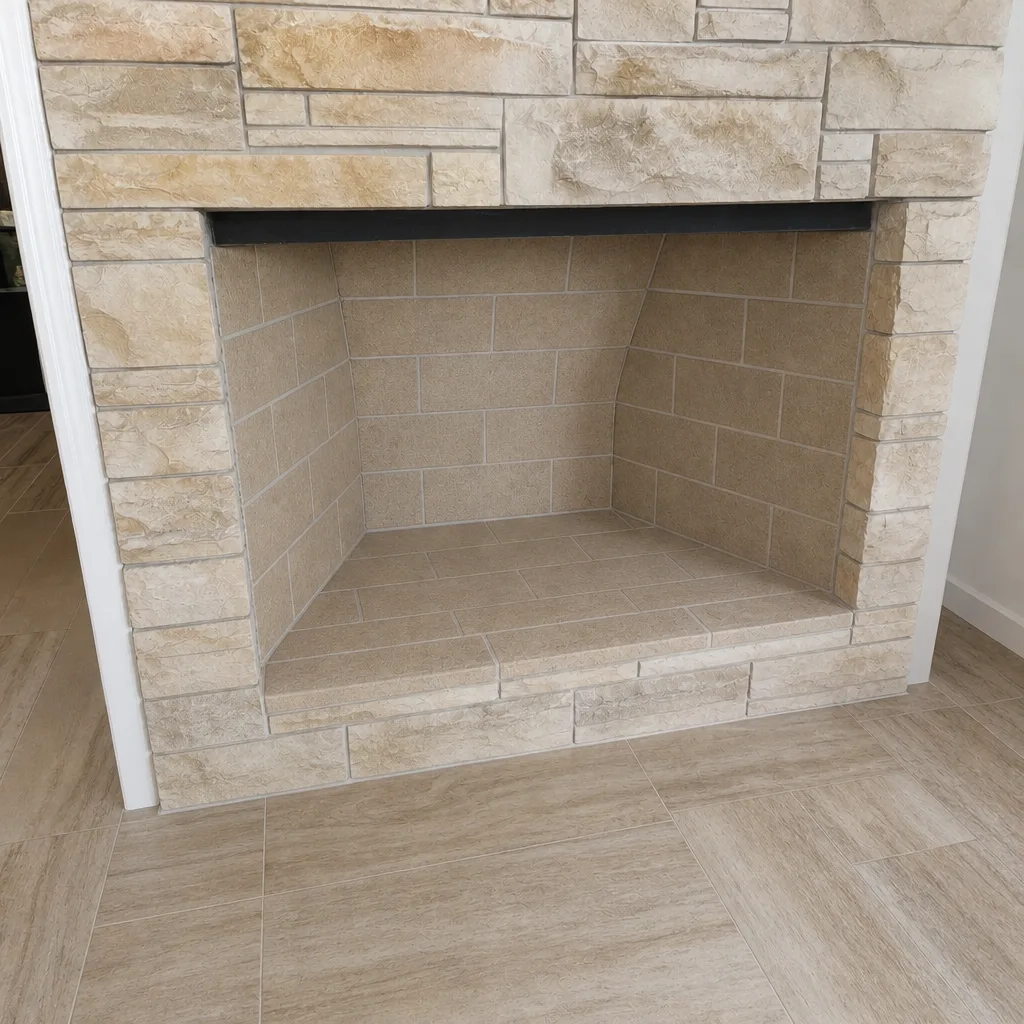
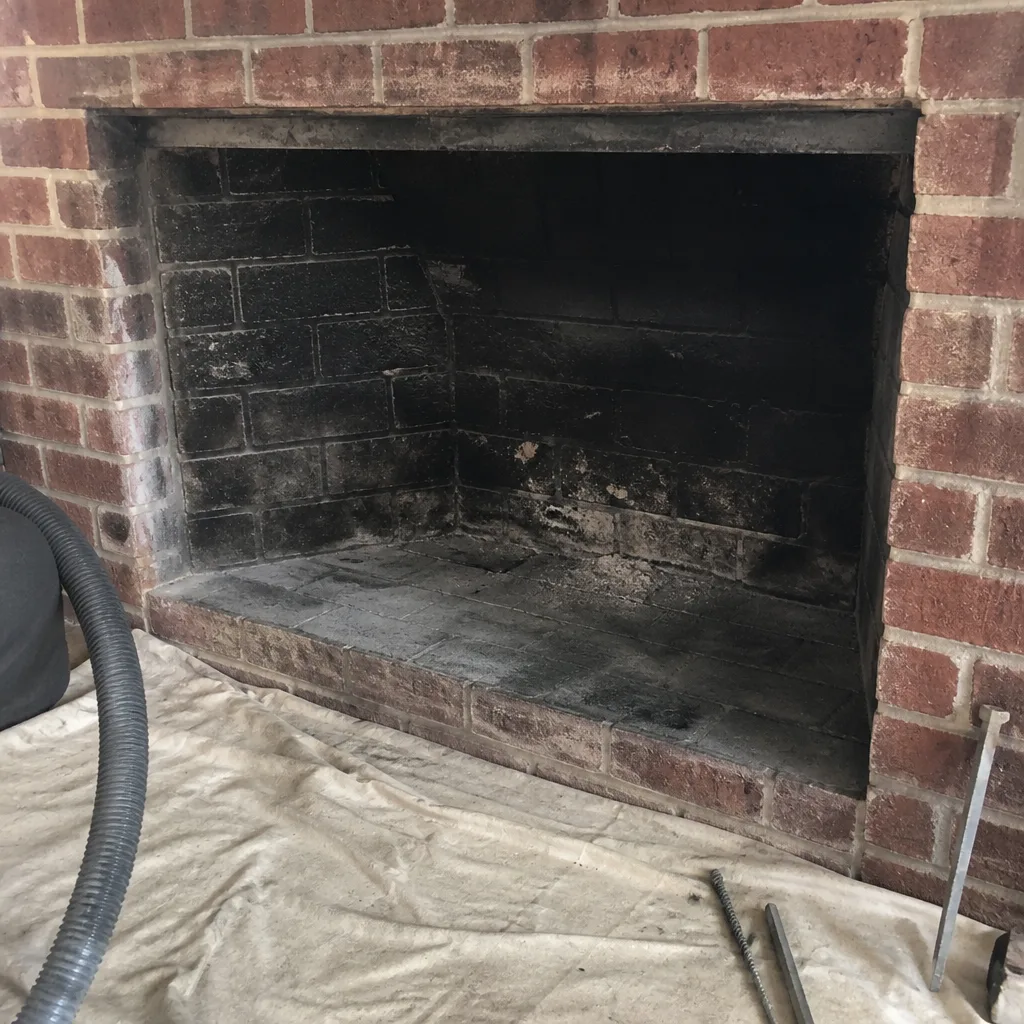
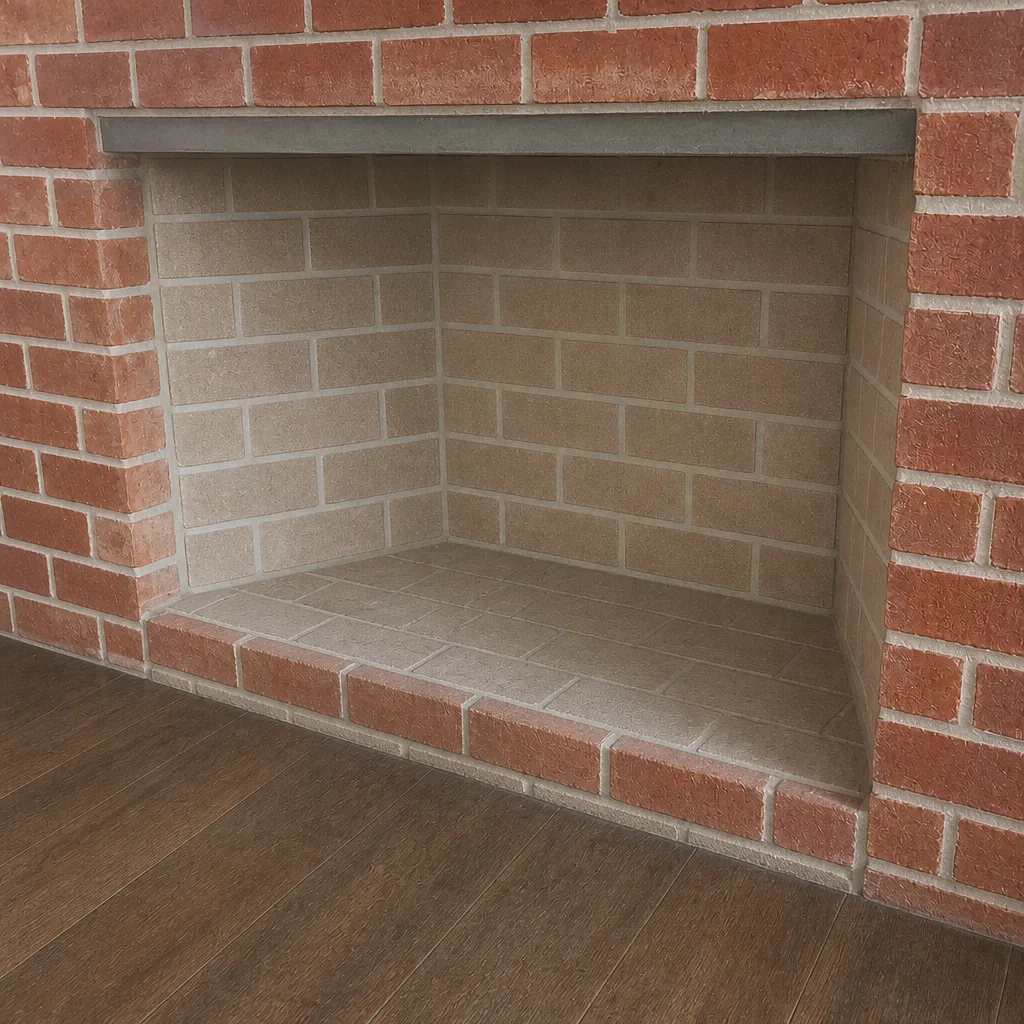
See the difference
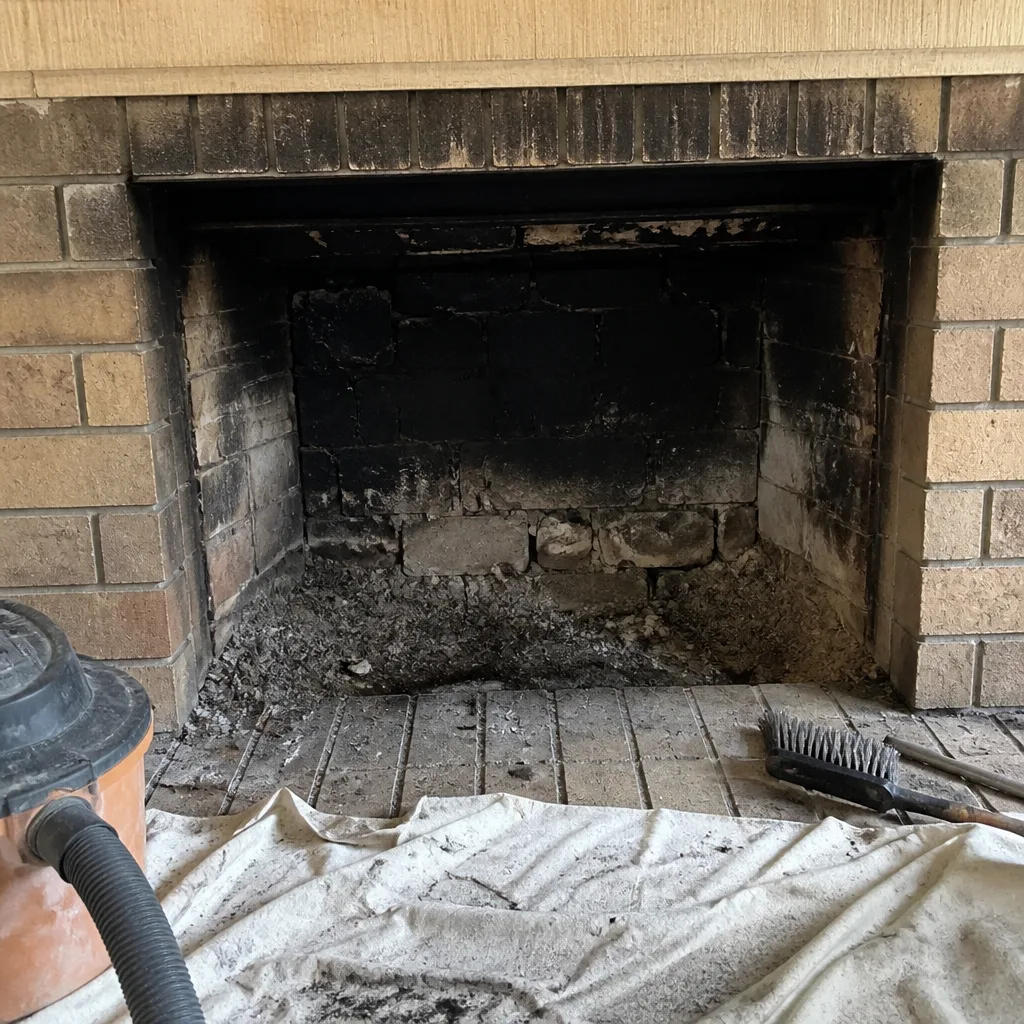 Before
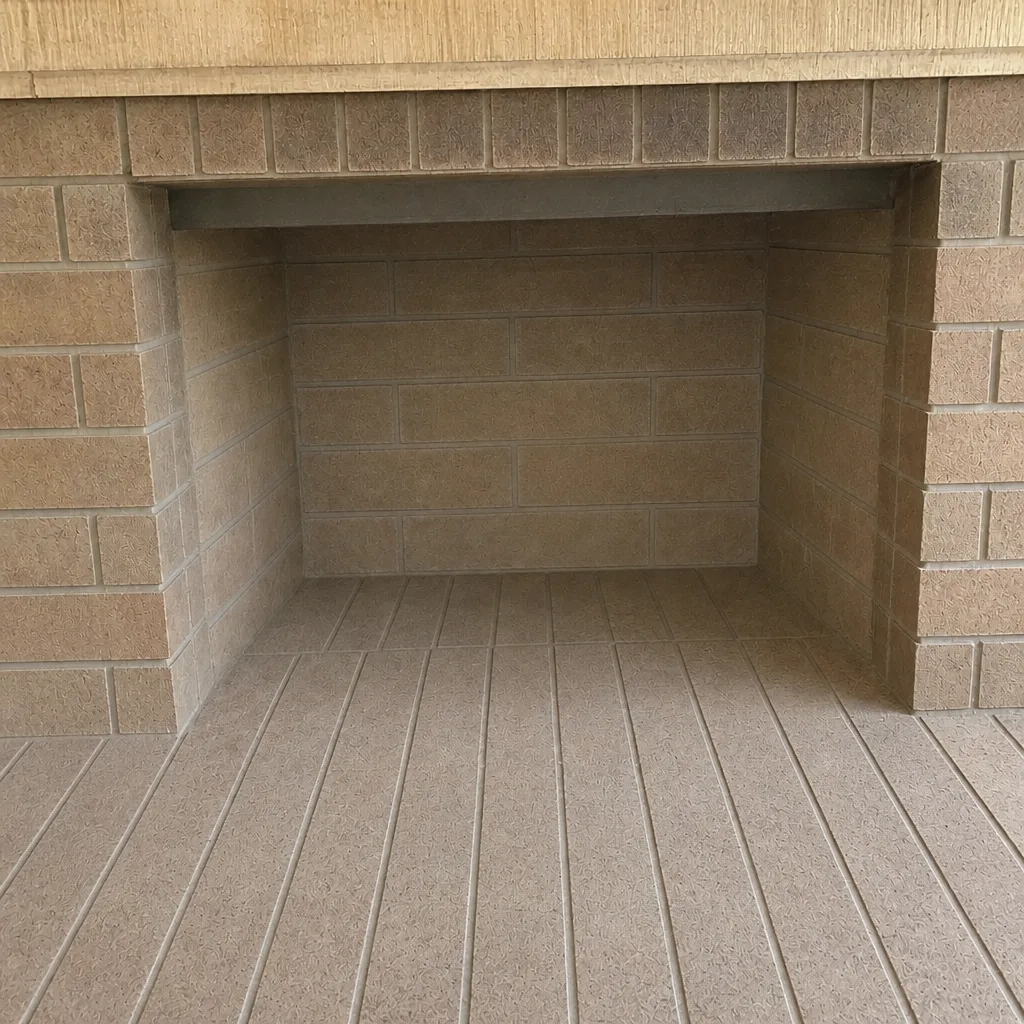 After
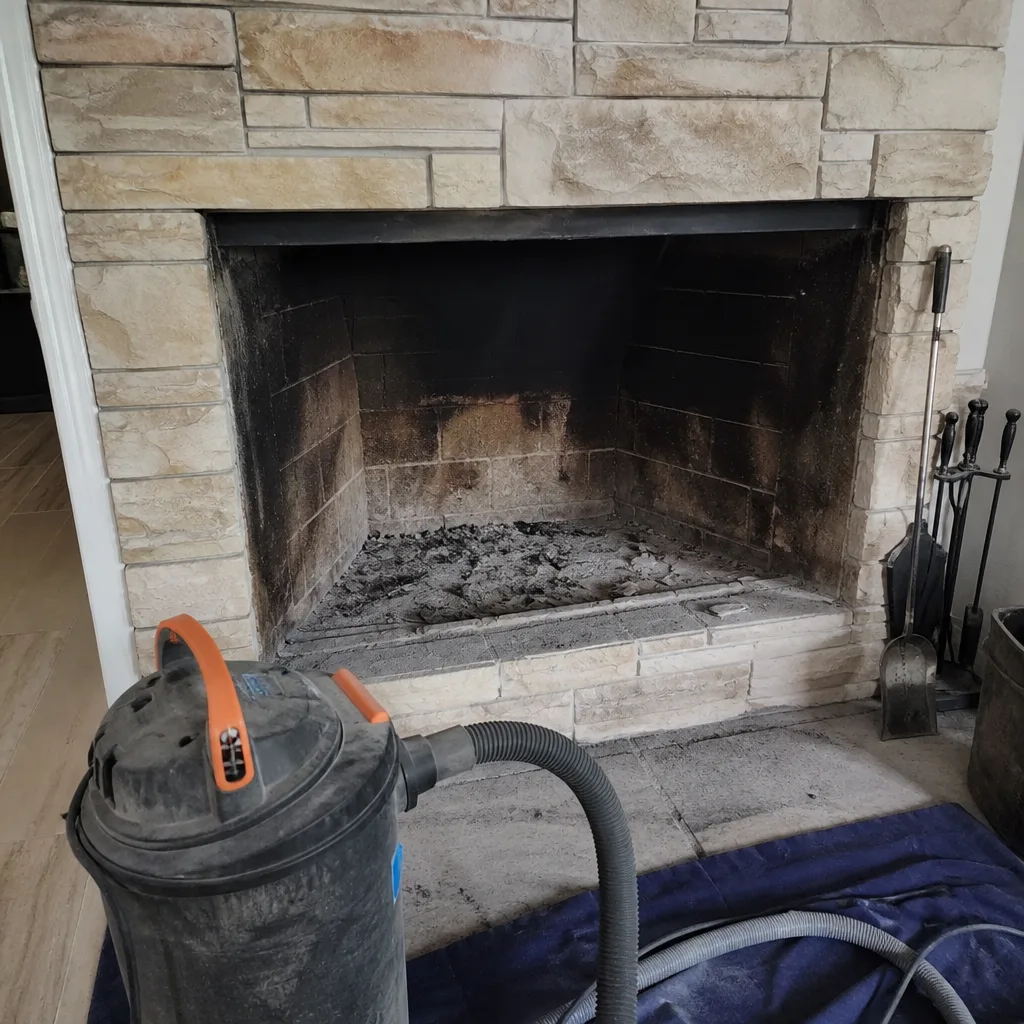 Before
 After
 Before
 After
When to Call a Professional
Call a chimney professional in Port St. Lucie when any of these apply. The first cool snap of the season is the right time to get a sweep booked, before the burn season starts and before the calendar fills. A chimney that hasn’t been inspected in a few years is overdue regardless of how often you use it, since the inspection is what tells you what your use pattern requires. A wood insert or stove that’s never had its venting inspected is a specific concern worth addressing before you rely on it. Visible creosote buildup, a strong chimney odor, smoke rolling back into the room when you burn, or water stains near the chimney are all reasons to get someone out. Any of these deserves a look rather than a guess. Unity Chimney Sweep offers free estimates in Port St. Lucie: call (844) 990-3838. We answer 24/7, and fast dispatch runs 7am to 7pm, Sunday through Friday.
Frequently Asked Questions
Ask them to name their certification directly and verify it. CSIA certification is the recognized professional credential for this trade, and a certified company will state it plainly when asked. If the answer is vague, that’s your signal. Certification doesn’t replace the insurance check, but it’s the first filter. Call (844) 990-3838 for a free estimate.
You need the inspection, not just the sweep. A sweep removes creosote; the inspection is what tells you whether the flue is cracked, the crown is failing, or the liner needs attention. A specialist inspects before sweeping. A generalist sweeps and hands you a bill. If you’re using the fireplace as a real part of your home, the inspection is the part that protects you. Call (844) 990-3838 for a free estimate.
Because splitting the work between a sweep and a separate repair company creates an accountability gap. Nobody who saw the whole picture owns the outcome, and you’re left managing the handoff between vendors. A specialist who inspects, sweeps, and repairs in a single workflow removes that gap. Ask any Port St. Lucie company you’re considering: do you handle repairs in-house, or do you refer them out? Call (844) 990-3838 for a free estimate.
Ask specifically and listen for professional-grade names like DuraFlex, HeatShield, Olympia Chimney, Famco, or Copperfield. These are made for the job: HeatShield for flue resurfacing, DuraFlex for liner work, Gelco and Famco for cap-and-cover weatherproofing. A sweep-only operation usually can’t answer the question because they don’t do the repair work. Call (844) 990-3838 for a free estimate.
Ask to see the evidence: photos, a written description of what was found, or a camera inspection. Relining is a legitimate and sometimes necessary repair, but it’s the most common high-dollar upsell in this trade, and a company unwilling to show you why shouldn’t get the job. No evidence, no agreement. Call (844) 990-3838 for a free estimate.
Usually no. After a hurricane, out-of-town crews arrive offering chimney packages and pressure-washing bundles. They typically lack chimney-specific credentials, verifiable local reviews, and a local presence you can check. The right way is the same as anytime: CSIA certification, insurance proof, and a written inspection before any work. Call (844) 990-3838 for a free estimate.
The Bottom Line
Hiring a chimney cleaning contractor in Port St. Lucie comes down to three verifiable things. Certification, meaning CSIA as the baseline professional credential. Insurance and a written inspection report, both of which the company should produce when asked. And a company that inspects, sweeps, and repairs as one continuous workflow, because splitting the jobs creates the accountability gap homeowners end up managing themselves. Skip the credential check and you’re sorting by price alone, which is the least informative number on the page. Do the three checks and you’ll know more about a chimney contractor in Port St. Lucie in fifteen minutes than most homeowners learn in a decade of calling around.
Unity Chimney Sweep provides chimney sweeping, inspection, and repair as one continuous service. We inspect before we sweep, and repair what we find. We work with a roster of professional-grade product lines and hold HeatShield-qualified capability for flue resurfacing and DuraFlex for liner work, so the hard parts don’t get subcontracted out. The estimate is free and the price is set per job by the written estimate.
Call (844) 990-3838 for a free estimate. We answer 24/7, and fast dispatch runs 7am to 7pm, Sunday through Friday. Our technicians have up to 11 years of experience. One company, every part of the chimney. For a full look at what a chimney sweep involves in Port St. Lucie, start there, and if you’re sorting through the credentials before you book, this guide is the filter.
Written by the team at Unity Chimney Sweep.