
Last updated November 16, 2026
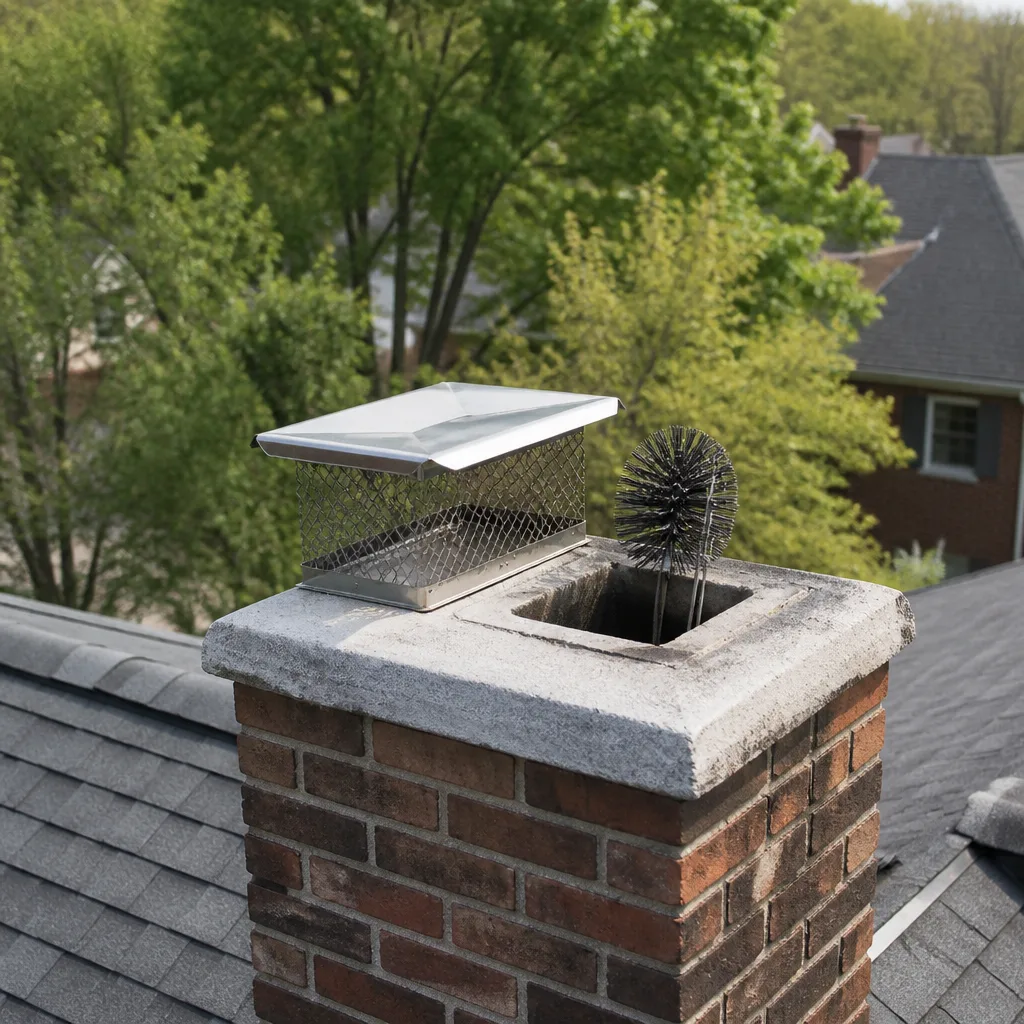 Sweep & inspection
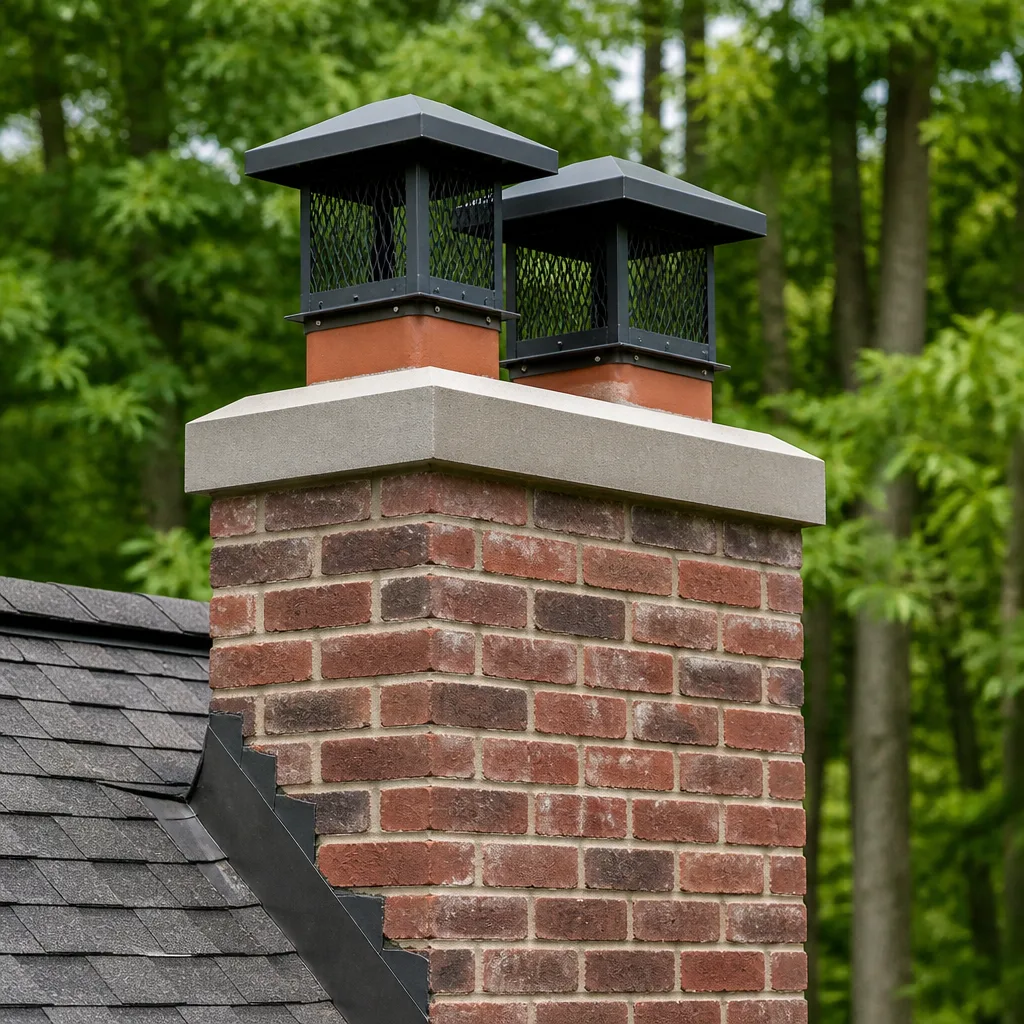 Caps & crowns
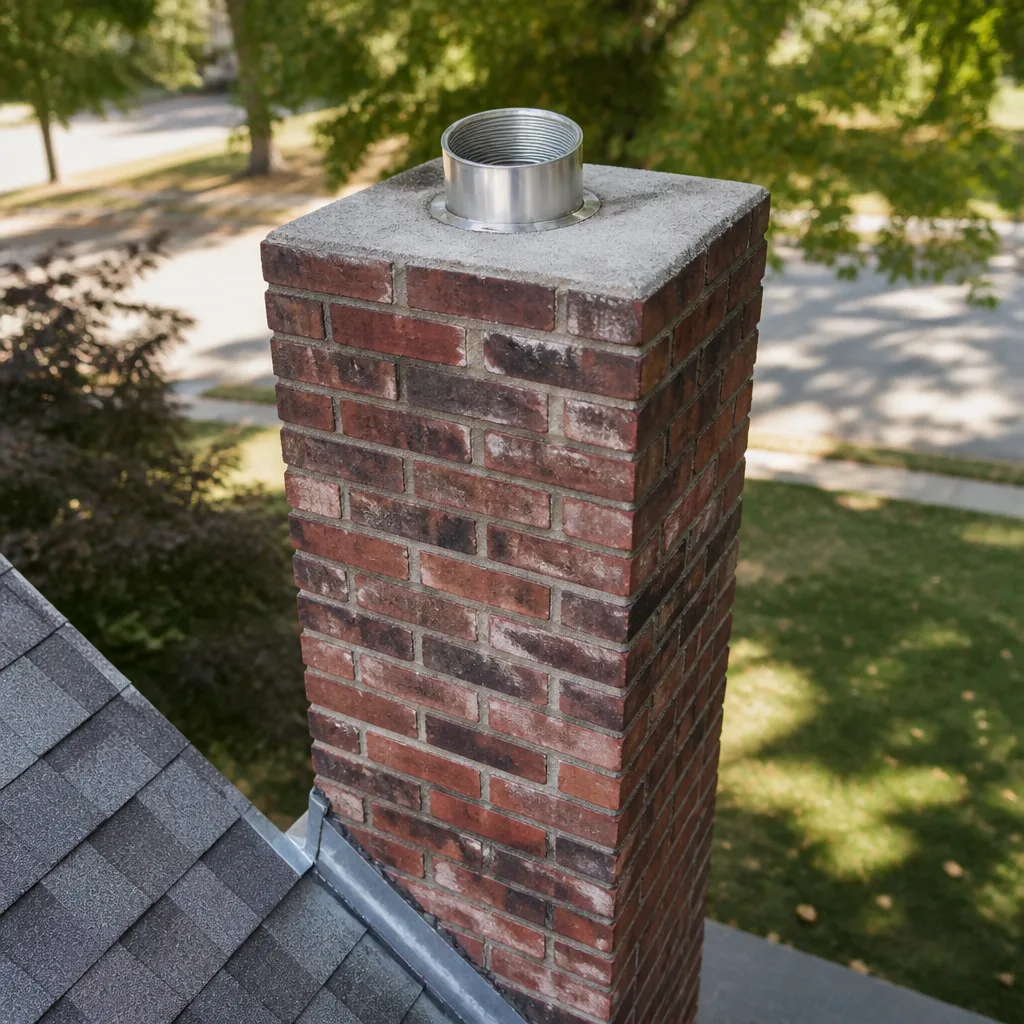 Flue relining
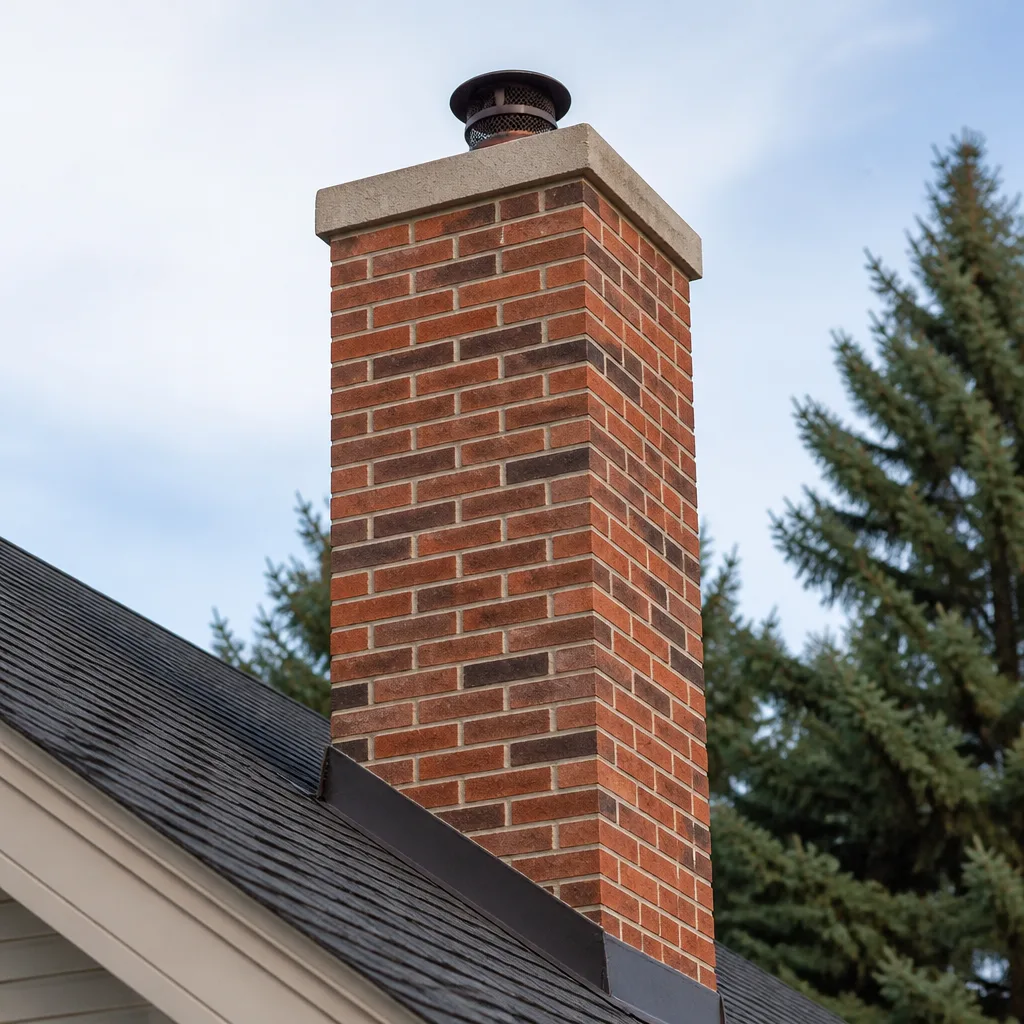 Masonry repair
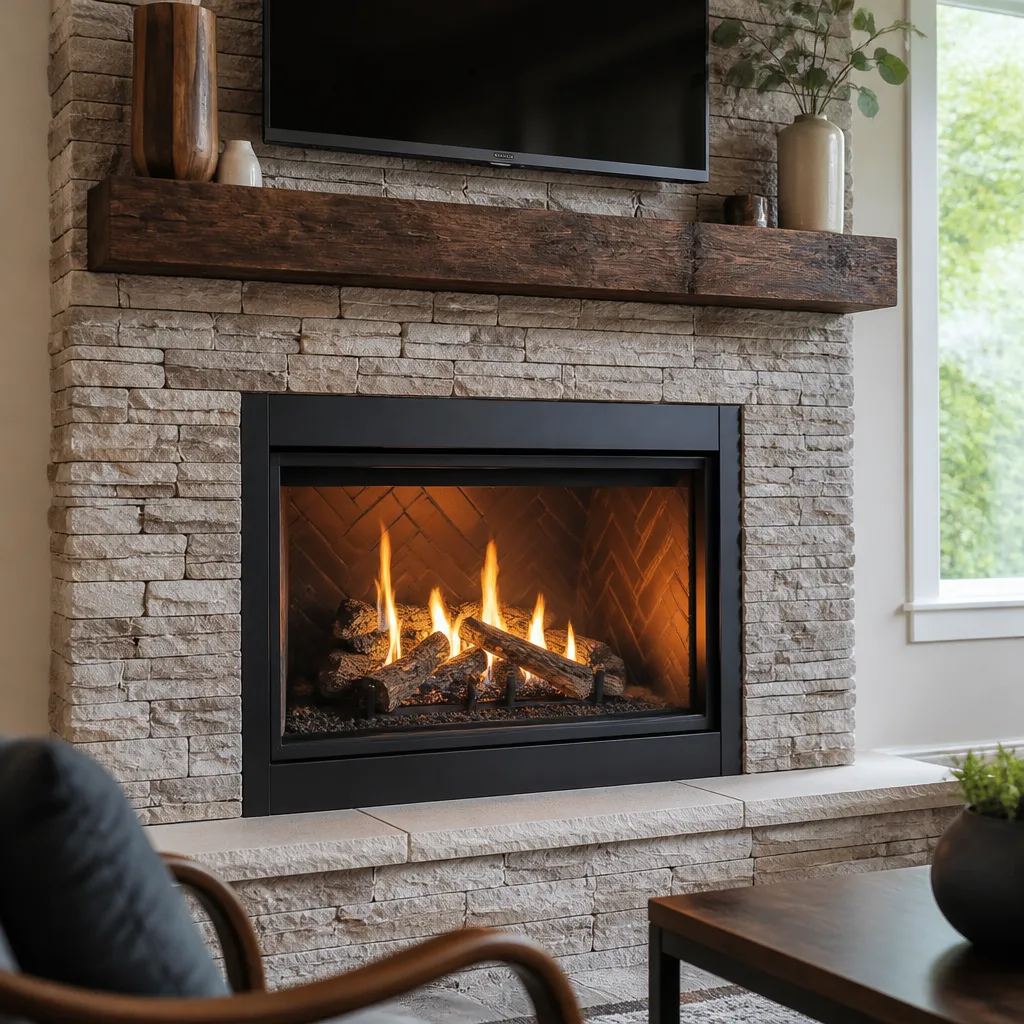 Gas fireplace service
Level 1 sweep and inspection to the NFPA 211 annual standard - flue, crown, cap, and flashing checked and photographed
Chimney sweep logs do not sweep chimneys. They loosen some creosote - which then falls where a brush and vacuum still have to collect it.
Seasonal Chimney Cleaning Care for Port St. Lucie: Year-Round Homeowner’s Guide
October is when most Port St. Lucie homeowners suddenly remember they haven’t thought about their chimney since March. That’s exactly the wrong time to learn something failed over the summer. By the time the first cool front arrives, the good appointment slots are gone, and problems that had months to announce themselves are discovered all at once. Chimney care here doesn’t follow the four-season calendar most guides describe. It follows two phases: active burning from November through March, and long weathering from April through October. This guide explains what each phase asks of you, what Florida rain and wind do to a chimney in the off months, and how a September sweep fits into both.
Quick Answer
In Port St. Lucie, chimney care runs on a two-phase cycle rather than four seasons: burning season from November through March, when the fireplace actually gets used, and off-season weathering from April through October, when heat, humidity, rain and storm winds work on the structure while it sits idle. The single most useful habit is to book a cleaning and inspection in September, before demand peaks and while there’s still time to repair anything the wet season loosened. The chimney doesn’t need the same attention every month, but it does need the right attention in each phase.
Styles & brands we work with
- Sweep & inspection
- Caps & crowns
- Flue relining
- Masonry repair
- Gas fireplace service
Table of Contents
- Why Port St. Lucie’s Chimney Year Has Two Phases, Not Four
- Burning Season Care (November Through March)
- Off-Season Weathering Care (April Through October)
- What Rain and Storm Exposure Do to an Unsealed Chimney
- Why September Is the Smart Month to Book
- Preparing the Fireplace for Extended Non-Use
- Products That Extend Chimney Life in a Humid Subtropical Climate
- How Often to Schedule Each Task
Why Port St. Lucie’s Chimney Year Has Two Phases, Not Four
Most chimney advice circulating online was written for places with four distinct seasons: a cold winter that stresses the flue, a spring thaw, a dry summer, and a fall ramp-up. Port St. Lucie doesn’t run that way. Our year splits into roughly five months of fireplace weather and seven months of heat, humidity and heavy rain. Each half creates different problems, and neither one looks much like what a northern guide describes.
During burning season, the chimney deals with what every working flue deals with: soot, creosote, ash, and the daily thermal cycling of fires starting and dying. That’s the familiar part. The less familiar part is the off-season. From April through October, your chimney is essentially a vertical shaft of masonry or metal sitting in a hot, wet climate, doing nothing. Rain hits it. Humidity surrounds it. Afternoon thunderstorms and the occasional tropical system pound it. Pests look for a dry cavity to nest in.
Here’s the practical consequence: the damage that shows up as a problem in November usually started in July. A cap that worked loose, a crown with a hairline crack, a flashing edge that pulled away, a damper that no longer seals – these are off-season events. You just don’t notice them until you try to light a fire.
If you’ve searched for a Unity Chimney Sweep and wondered why scheduling matters so much, this is the reason. The care calendar isn’t about how often we want to see you. It’s about matching each task to the phase where it actually makes a difference.
- Burning season (Nov-Mar): active use. Priorities are draft, creosote removal, and knowing the flue is clear before you burn.
- Off-season weathering (Apr-Oct): idle time. Priorities are water exclusion, pest control, and checking that seals and caps survived the rain.
Burning Season Care (November Through March)
Burning season in Port St. Lucie is short and concentrated. That’s good news for your chimney in one sense – fewer fires a year means less creosote accumulation than a northern homeowner would see. But it also means a lot of use crammed into a few months, and it means the first fire of the year is often the test fire for everything the summer did to the structure.
The core tasks for the burning season look like this:
- Get a cleaning and inspection done before your first fire. Not after. A sweep clears creosote, and an inspection confirms the flue, cap, damper and firebox are ready to safely hold a fire.
- Understand what creosote is and why it matters. Creosote is the tar-like residue that condenses in a flue as smoke cools. It’s flammable. A flue with heavy creosote is a chimney fire waiting for a hot enough fire to ignite it. Annual sweeping keeps accumulation in check.
- Learn how your fire burns. Dry, seasoned wood burns hotter and cleaner than green or damp wood and produces less creosote. In a humid climate, wood stored outdoors absorbs moisture fast, so keep it covered and up off the ground.
- Watch for changes over the season. A fire that suddenly smokes into the room, a draft that feels weaker, a smell that lingers after the fire dies – these are signals the flue isn’t performing, and worth a conversation.
- Keep the firebox clear of ash buildup. A little ash bed is fine. Too much restricts airflow and dulls the fire.
One note on going up top yourself. The roof is steep, the surfaces stay slick in the rainy months, and ladders are a fall hazard for anyone who doesn’t climb them regularly. We handle roof-level access as part of the inspection and cleaning visit, and we’d rather you didn’t take that risk. A chimney sweep visit covers the flue and the visible exterior, and it’s a safer way to learn what shape your chimney is in.
Off-Season Weathering Care (April Through October)
This is the phase where Port St. Lucie chimneys quietly suffer. Not dramatically – there’s no fire burning to make problems obvious – but steadily. Heat, humidity, and rain do their work on masonry, metal, seals and caps, and nobody notices until fall.
Here’s what the off-season actually does to a chimney:
- Humidity drives moisture into masonry. Porous brick and mortar absorb water vapor from humid air. Masonry that stays damp weakens over time, and small cracks expand.
- Rain enters through the flue opening. An uncapped chimney is a rain funnel. Water runs down the flue walls, into the smoke chamber, and eventually into the firebox or the structure around it.
- Wind loosens what rain softened. Weather that weakens mortar, flashing, caps or chimney covers gets finished off by gusty storm winds, and the parts lift, shift or blow away entirely.
- Pests move in. Birds, squirrels, wasps and other animals look for dry, sheltered cavities. An open chimney is exactly that. A proper cap keeps them out.
- Settling and thermal cycling continue. Even idle, the chimney expands and contracts with heat and cool cycles, and joints can open over time.
Off-season care is mostly about inspection and water management. Confirm the cap is intact. Confirm the crown and flashing haven’t cracked. Check that any seams or covers are secure. It’s not glamorous work, but it’s the difference between a chimney that’s ready in November and one that needs an unexpected repair.
What Rain and Storm Exposure Do to an Unsealed Chimney
An uncapped or poorly sealed chimney in Port St. Lucie has one job it can’t perform: keeping water out. During the off-season, with the fireplace idle, that water has months to do damage.
Start at the top. Rain falls into the flue, coats the interior walls, and runs down to the smoke shelf and damper. It sits there. That moisture creates the ideal environment for rust in a metal liner, decay in a masonry flue, and odor problems that announce themselves the moment you light the first fire of the season. A capped chimney keeps most of this rain out.
Then the crown – the concrete or masonry surface at the very top of the chimney. If the crown cracks, rainwater seeps through the crack and into the masonry below, where it travels sideways and finds its way into the structure. A hairline crack you wouldn’t notice from the ground can channel water for months.
Flashing is next. That’s the metal or seal where the chimney meets the roof. When flashing fails, water doesn’t enter the flue – it enters the roof, which is worse. Flashings that pull away or sealants that dry and crack are common after a storm-heavy summer.
Storm winds add a separate failure mode. Even when nothing is blown apart, gusty wind can loosen a cap, lift a cover, or work a flashing edge loose. A chimney that looked fine in April might have a lifted cap in July, and it’ll stay lifted until someone looks.
This is where having one company handle the whole picture helps. A chimney repair visit starts with diagnosis: what failed, why it failed, and what the correct fix is. That could be a new cap, a crown repair, flashing work, or – when a flue has been compromised by water – resurfacing or relining. We work with HeatShield for flue resurfacing and DuraFlex for liner installation, so a repair that addresses structural damage doesn’t need a handoff to another contractor.
Why September Is the Smart Month to Book
The best month to book your chimney cleaning and inspection in Port St. Lucie is September. Not October, not November, not the first cold snap. September.
Three things happen in September that make it the right choice:
- Demand hasn’t peaked yet. Once cool weather settles in and homeowners start thinking about fires, appointment calendars across the region fill quickly. Booking in September gets you the slot you want, not whichever one is left.
- There’s still time to repair. If the off-season loosened a cap, cracked a crown, or damaged a flue, September gives you room to address it before the burning season starts. Booking in November means discovering needed repairs when you’d rather be lighting fires.
- You close out the wet season with certainty. A September inspection is your post-summer check – it tells you what the rainy months did, and it tells you the chimney is ready.
There’s also the practical matter of the calendar. If you book early, you don’t have to think about the chimney again until spring. If you wait, you’re competing for time with everyone else who waited.
To schedule, call (844) 990-3838. We answer 24/7, and we book sweeps and inspections ahead of the season. Fast dispatch from 7am to 7pm, Sunday through Friday.
Preparing the Fireplace for Extended Non-Use
When the burning season ends, you want the fireplace to sit through the rainy months with as little exposure as possible. That doesn’t mean sealing it up airtight – it means avoiding the traps that turn a dead firebox into a moisture reservoir or a pest entrance.
Here’s a practical close-out routine for the end of the burning season:
- Clean out the firebox thoroughly. Remove ash, leftover wood, and any debris. Ash left through a humid summer absorbs moisture, and it makes a fine habitat.
- Confirm the damper is closed, or understand if it isn’t. A damper that seals keeps humid air and pests from entering the flue. If yours is stuck open or no longer seals, that’s a repair, not a quirk to live with.
- Check the cap. A cap on top keeps rain out and animals out. If the cap is missing, damaged, or loose, that’s the single biggest off-season fix you can make.
- Don’t seal the flue opening. Blocking the chimney cavity to “keep the air out” traps humidity inside – the opposite of what you want. Ventilation matters.
- Note anything that looked off during the last burn. A lingering smell, a smoky startup, a draft that felt wrong. Note it in September when you schedule the inspection.
- Store wood correctly. Covered, elevated, away from the house. Dry wood burns better and produces less creosote when you return to it in November.
If you want your close-out done as part of a professional visit, call (844) 990-3838 for a free estimate. We inspect before we sweep, and we repair what we find – so a spring visit can close the season cleanly and flag anything to watch before the next one begins.
Products That Extend Chimney Life in a Humid Subtropical Climate
Not every chimney product performs the same in a place like Port St. Lucie. A component that survives 20 dry years in a desert climate can fail in five in a humid, storm-exposed one. Spec-grade materials matter more here, not less.
The categories that do the most work for chimney longevity in this climate:
- Chimney caps. A properly fitted cap blocks rain, keeps animals out, and stops wind from blowing downdrafts back into the house. Caps are available in a range of materials and styles depending on the chimney; the fit matters as much as the material.
- Top-sealing dampers. A damper at the top of the flue seals more effectively than a throat damper and keeps both rain and humid air from entering the flue when the fireplace isn’t in use. You close it at season’s end and open it when you return.
- Waterproofing sealants for masonry. A breathable masonry water repellent keeps rain from soaking into brick and mortar while still letting moisture vapor escape. A non-breathable coat traps moisture inside – the opposite of what you want in a humid climate.
- Crown repair materials. A flexible crown sealant or repair material handles the small movements of thermal cycling better than rigid materials that crack.
- Flue resurfacing and relining. When a flue has been compromised by water, HeatShield resurfacing can repair the interior surface without a full tear-out, and DuraFlex liners restore integrity when the original flue is too damaged to simply clean.
- Chimney covers and chase covers. The full cover category protects the structure above the roofline from weather. We work with products from Gelco and Copperfield in this category because fit and material matter more than what a generic hardware-store substitute offers.
We source from brands chimney professionals recognize – DuraFlex, HeatShield, Gelco, Olympia Chimney, Famco and Copperfield – because a humid subtropical climate is hard on chimneys, and there’s no reason to skimp on the parts that keep the water out.
How Often to Schedule Each Task
Here’s a practical care schedule for a Port St. Lucie chimney, based on the two-phase cycle:
- Annual sweeping: once per burning season, done before the first fire. Most chimneys that see regular use need an annual sweep. If yours gets heavy use, or the wood burned is on the green side, more frequent sweeping may make sense.
- Annual inspection: alongside the sweep. A sweep clears the flue; an inspection checks the full system – flue, cap, crown, flashing, damper, firebox. Both belong on the calendar.
- Off-season visual check: a quick look at the cap and crown from the ground, plus checking for water stains or animal activity, is worth doing once mid-summer. It’s not a substitute for a full inspection, but it catches the obvious.
- Repairs as found: any repair identified during inspection should be scheduled before the burning season begins. A cracked crown, failing flashing, or compromised flue is best addressed when the chimney is idle.
For a deeper walk-through of what an inspection involves and when it’s worth scheduling one out of cycle, our team is happy to talk it through. Call (844) 990-3838. We answer 24/7. Fast dispatch from 7am to 7pm, Sunday through Friday. Estimates are free, and the price is set per job by the written estimate.
Common Mistakes to Avoid
- Waiting until you smell smoke to schedule. By then, something has already failed. A September visit catches problems while they can still be fixed quietly, not in a hurry.
- Skipping the sweep because the fireplace only sees occasional use. Occasional fires still leave creosote. It’s the accumulation over multiple seasons that turns a mild concern into a hazard, and annual sweeping is what prevents that. In a place like Port St. Lucie, where fires may be limited to a few months, it’s easy to feel a sweep isn’t needed every year. The flue doesn’t know the calendar; it knows what’s in it.
- Leaving the chimney uncapped. This is the single most avoidable off-season problem. An uncovered flue is a rain funnel and an animal doorway. A fitted cap solves both.
- Sealing the flue for the summer. Blocking the chimney to keep humidity out backfires – it traps it in. Proper capping does the job; sealing the cavity doesn’t.
- Burning green or wet wood because it’s what’s available. It burns cool and smokes more, which means more creosote. In a humid climate, wood stored uncovered absorbs moisture fast. Cover it, elevate it, and give it time.
- Treating a stuck damper or a liftable cap as cosmetic. Both are functional parts. A damper that doesn’t seal and a cap that lifts are problems that get worse, not quirks to ignore.
- Climbing the roof to inspect yourself. The risk of injury on a wet, steep roof far outweighs anything you’d save by checking it personally. Roof-level inspection is what a professional visit is for, and the Port St. Lucie climate makes those surfaces slick more often than not.
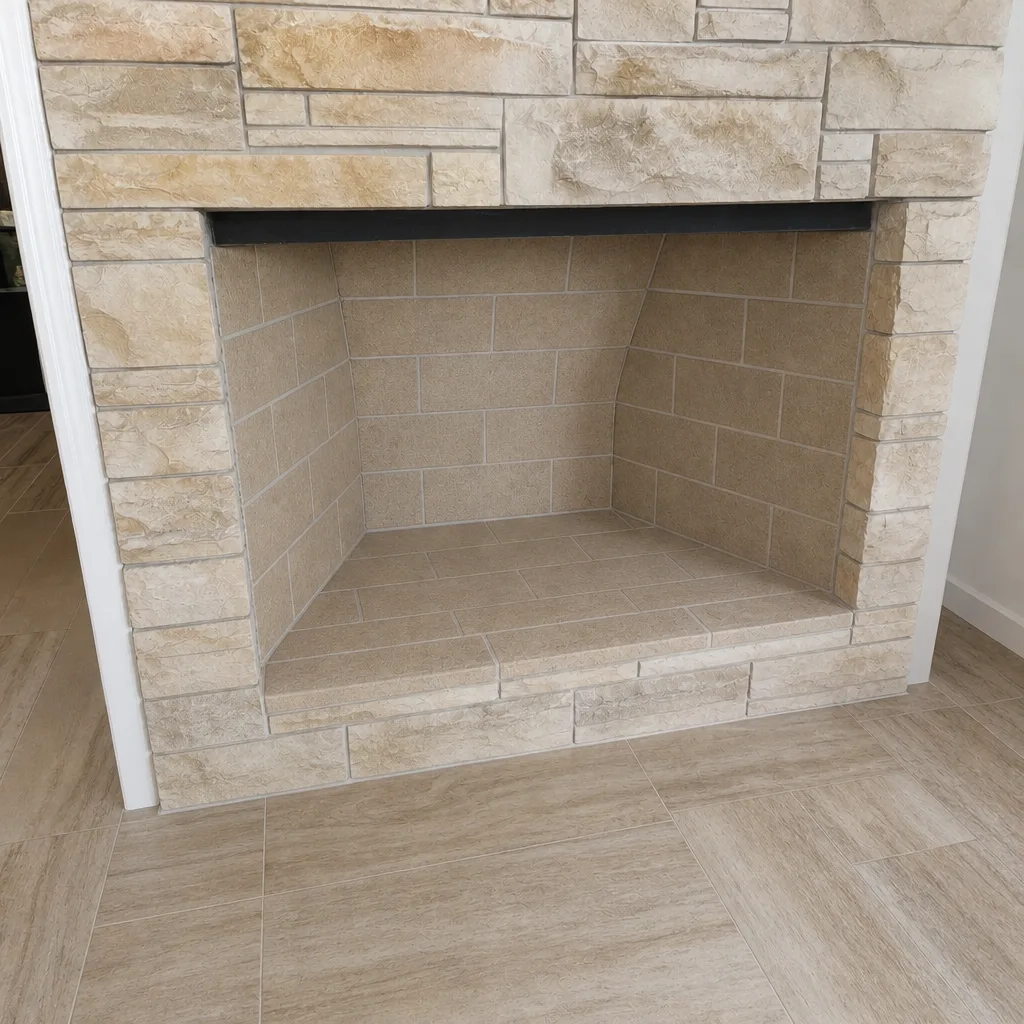
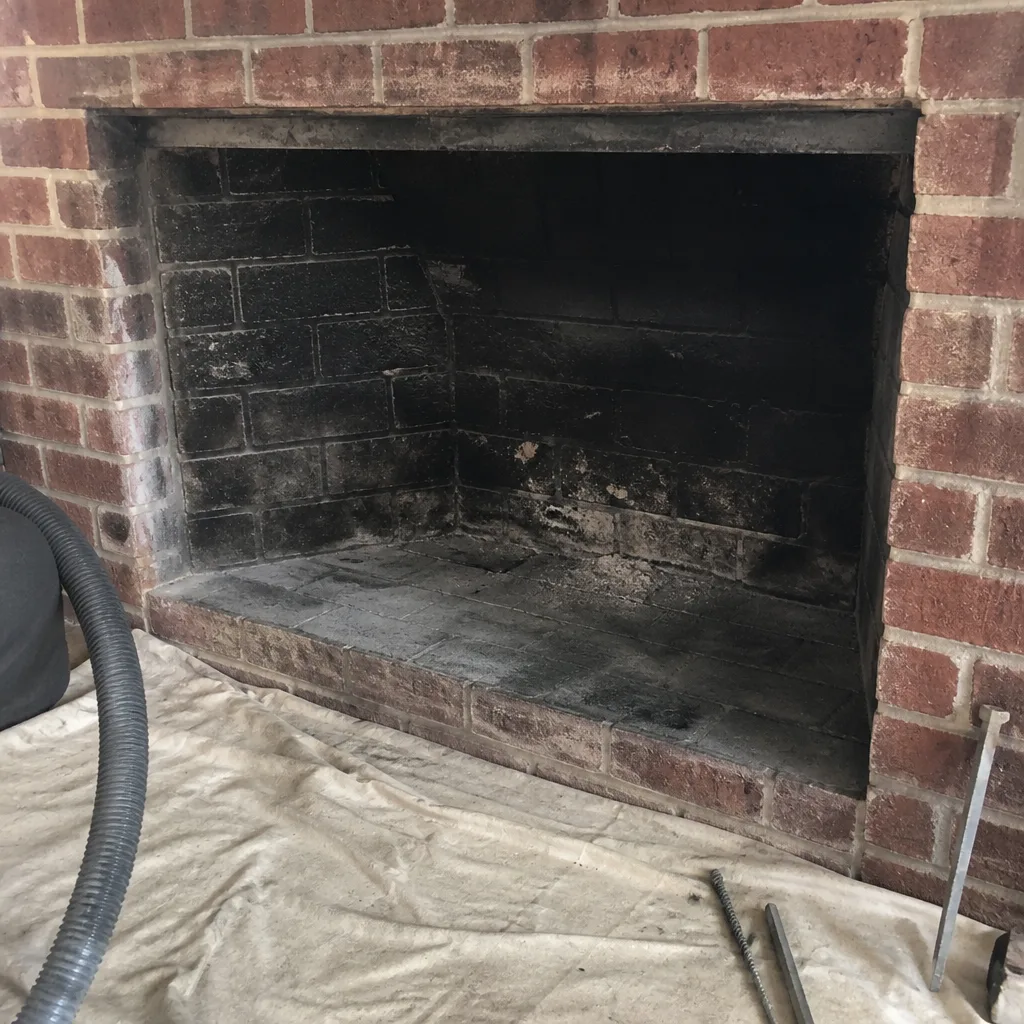
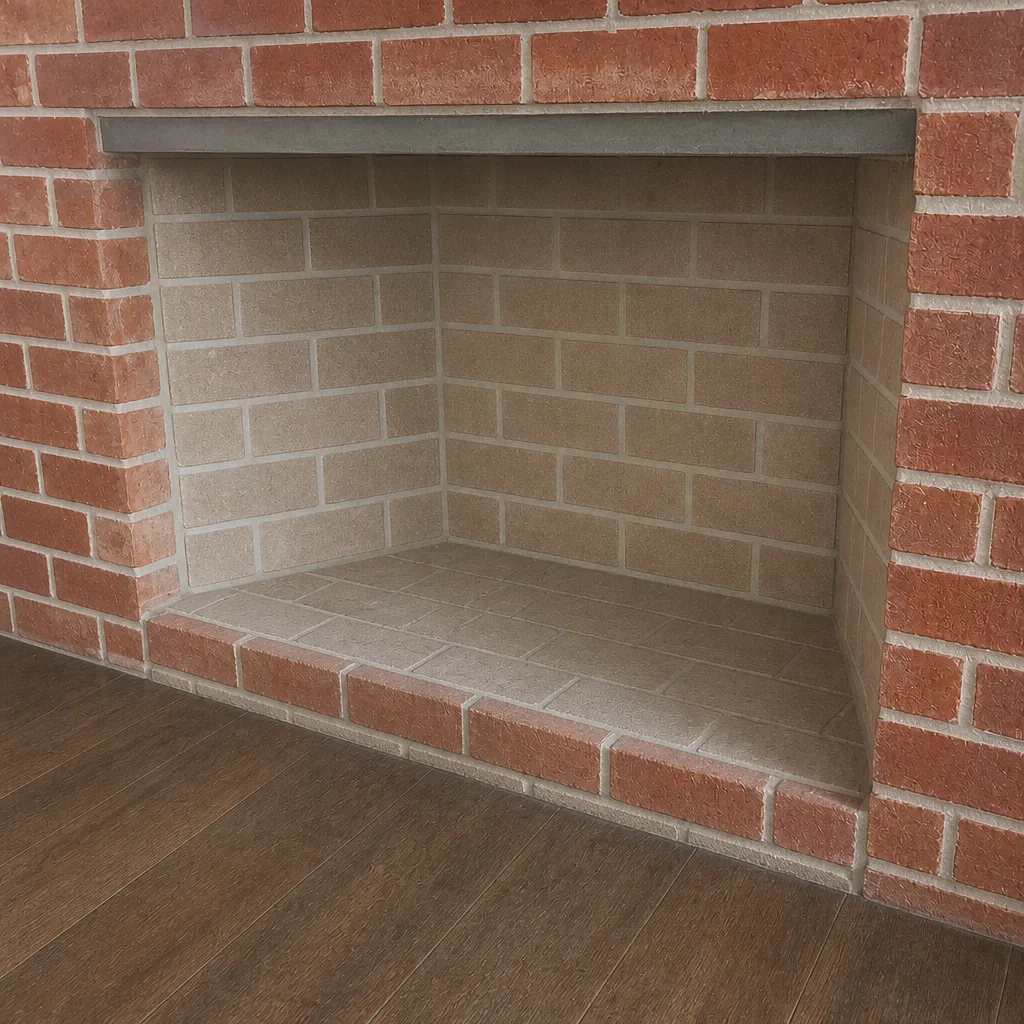
See the difference
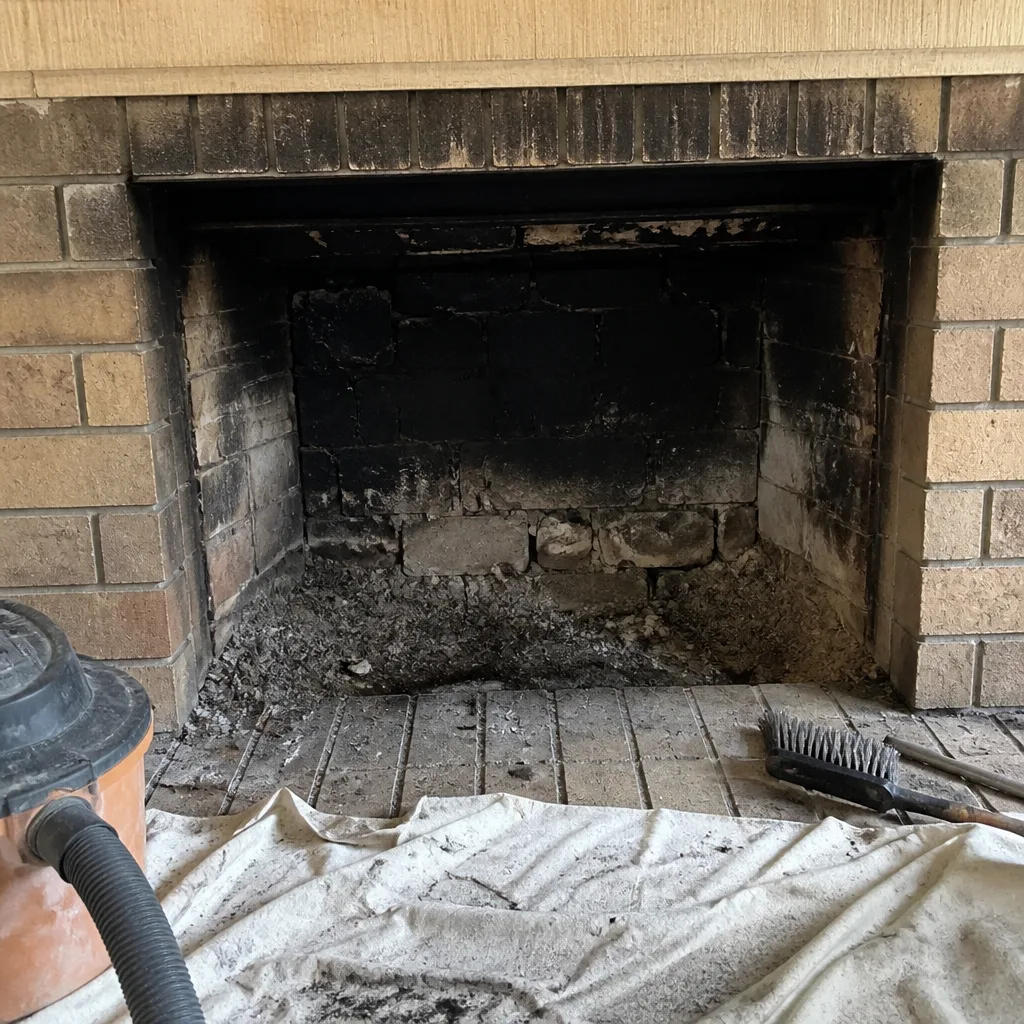 Before
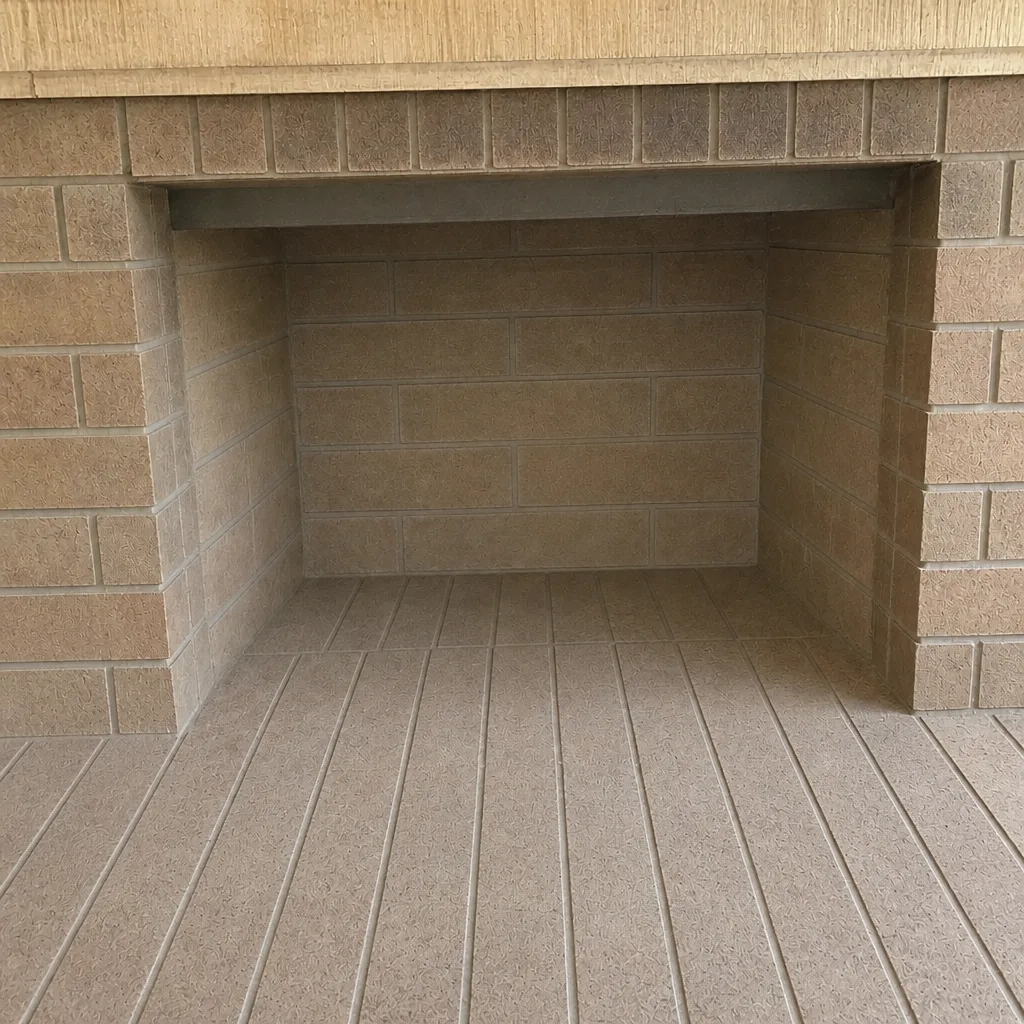 After
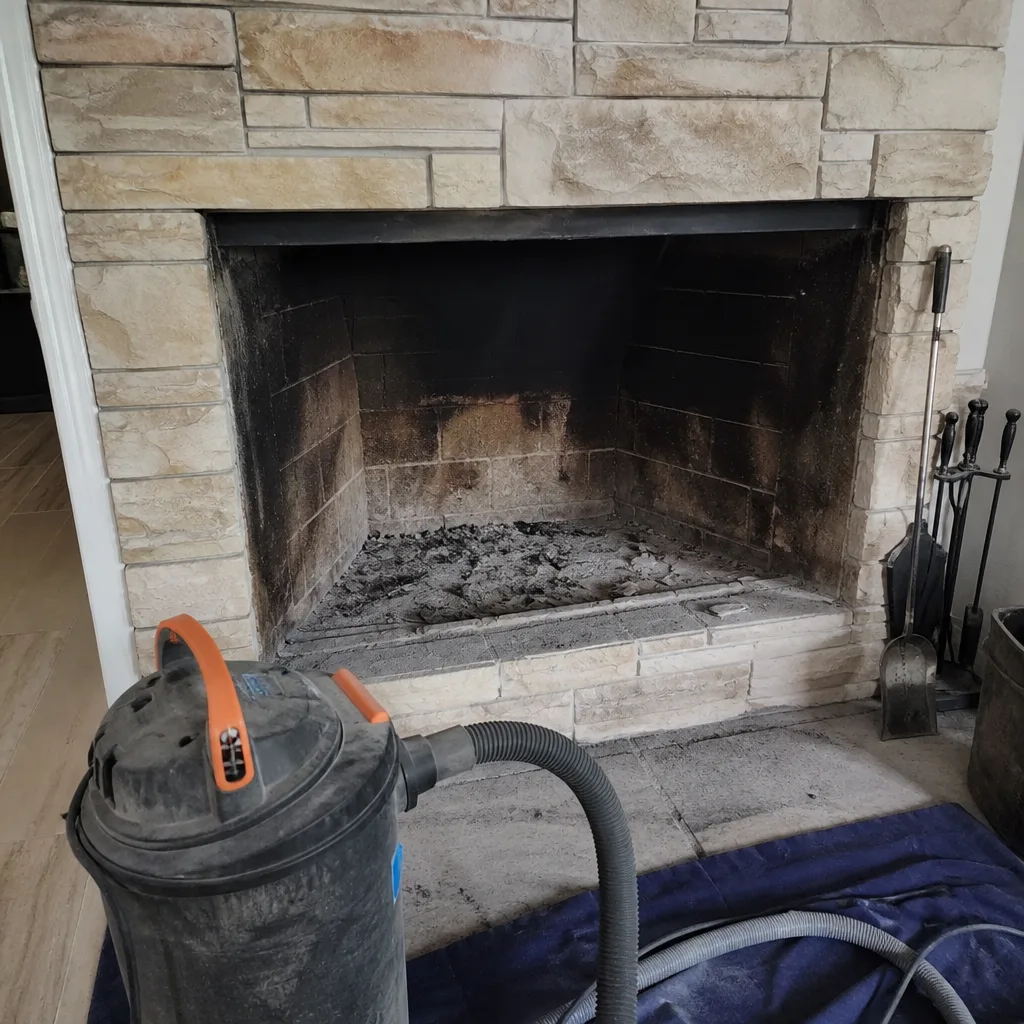 Before
 After
 Before
 After
When to Call a Professional
Some chimney work is routine; some needs a trained eye and hands. Call us if any of the following is true:
- It’s been more than a year since your last cleaning and inspection, or you’ve never had one.
- You notice creosote buildup in the firebox or a heavy smell when the fireplace isn’t lit.
- Smoke enters the room when you burn, or the draft feels weak.
- You see a cracked crown, damaged flashing, or a cap that’s missing, loose, or lifted.
- Water stains or rust show up around the firebox, on the roof near the chimney, or on the flue walls.
- Birds, squirrels or insects are getting into the chimney.
- Your damper won’t close, or a liner looks damaged or deteriorated.
- You’re about to start the burning season and haven’t had this year’s sweep.
Unity Chimney Sweep offers free estimates in Port St. Lucie. Call (844) 990-3838. We answer 24/7. Fast dispatch from 7am to 7pm, Sunday through Friday. The price is set per job by the written estimate.
Frequently Asked Questions
Most chimneys see an annual sweep, timed to the start of burning season. Chimneys that get heavy use, or that burn wood on the green or damp side, may benefit from more frequent sweeping. The best rule is to sweep before your first fire each year, and let the inspection decide if anything additional is needed. Call (844) 990-3838 to book a free estimate – estimates are free, and pricing is set per job.
September closes out the rainy season and sits just before burning season demand peaks. Booking then gets you the appointment slot you want, and it gives you time to schedule any repairs before you’re ready to light the first fire. Waiting until October or November can mean competing for a slot with everyone else who waited. Call (844) 990-3838 to lock in a September visit.
Yes – in a humid, rain-heavy climate, a capped chimney is meaningfully protected. A fitted cap keeps rain from running down the flue, keeps animals from moving in, and reduces wind-driven downdrafts. An uncapped chimney lets water in for seven months of the year and gives pests an easy doorway. Call (844) 990-3838 for a free estimate on a cap installation.
Yes. During April through October, rain runs down an open flue and sits at the smoke shelf and damper, which promotes rust, flue decay, and odor. Water that soaks into masonry can weaken it over time, and pests find their way into a dry, open cavity easily. A cap solves the most common of these in one fix. Call (844) 990-3838 for a free estimate, and we’ll inspect before recommending.
No. Blocking the flue to keep humid air out traps moisture inside, which works against you. The right approach is to make sure the top of the chimney is properly capped and the damper seals, not to block the cavity. If your damper no longer seals, that’s the repair worth doing before the rainy season. Call (844) 990-3838 for a free estimate.
A cleaning clears the flue. An inspection tells you whether the flue, cap, crown, flashing or other components are actually sound. Signs you may need repair include visible cracking at the crown or masonry, water stains, rust, smoke entering the room during use, or a damper that won’t seal. The inspection is what determines the answer, and we recommend repairs only when there’s clear evidence of a problem. Call (844) 990-3838 to schedule an inspection – estimates are free.
The Bottom Line
Port St. Lucie chimneys don’t run on a four-season calendar. They run on two phases: burning season, where the flue needs to be clean and secure, and off-season weathering, where the priority shifts to keeping water and pests out and confirming that the structure held up. The single highest-value move is scheduling your cleaning and inspection in September, when demand hasn’t peaked and repairs can still be handled before the first fire. Cap the chimney, close out the firebox properly for summer, keep the damper sealing, and know the difference between what a sweep does and what an inspection catches. Most of what goes wrong in November starts in July – catch it early and you’ll spend your winter burning fires, not chasing problems.
Call (844) 990-3838 for a free estimate. Whether you need a sweep, an inspection, or a repair before the season starts, one company can handle every part of the chimney from diagnosis through completion. Estimates are free, and the price is set per job by the written estimate.
Written by the team at Unity Chimney Sweep.