
Last updated November 16, 2026
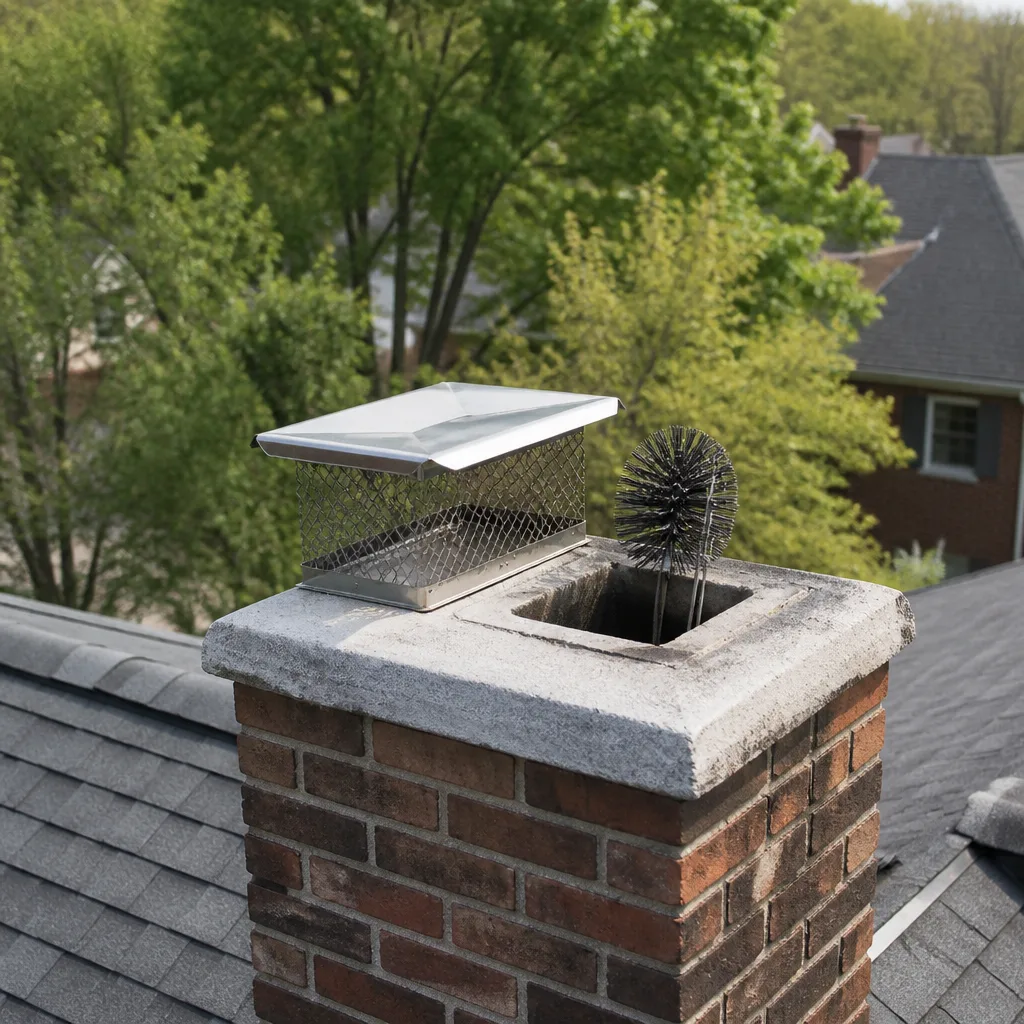 Sweep & inspection
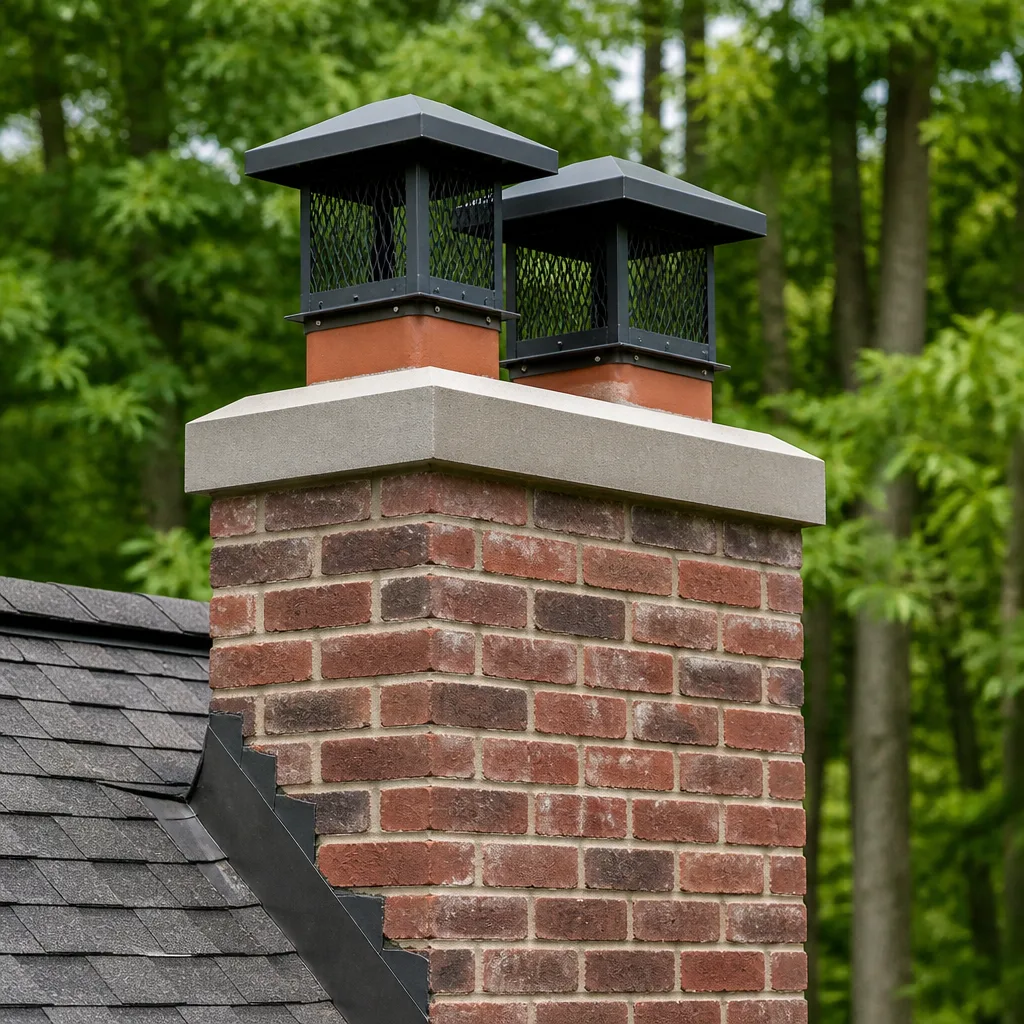 Caps & crowns
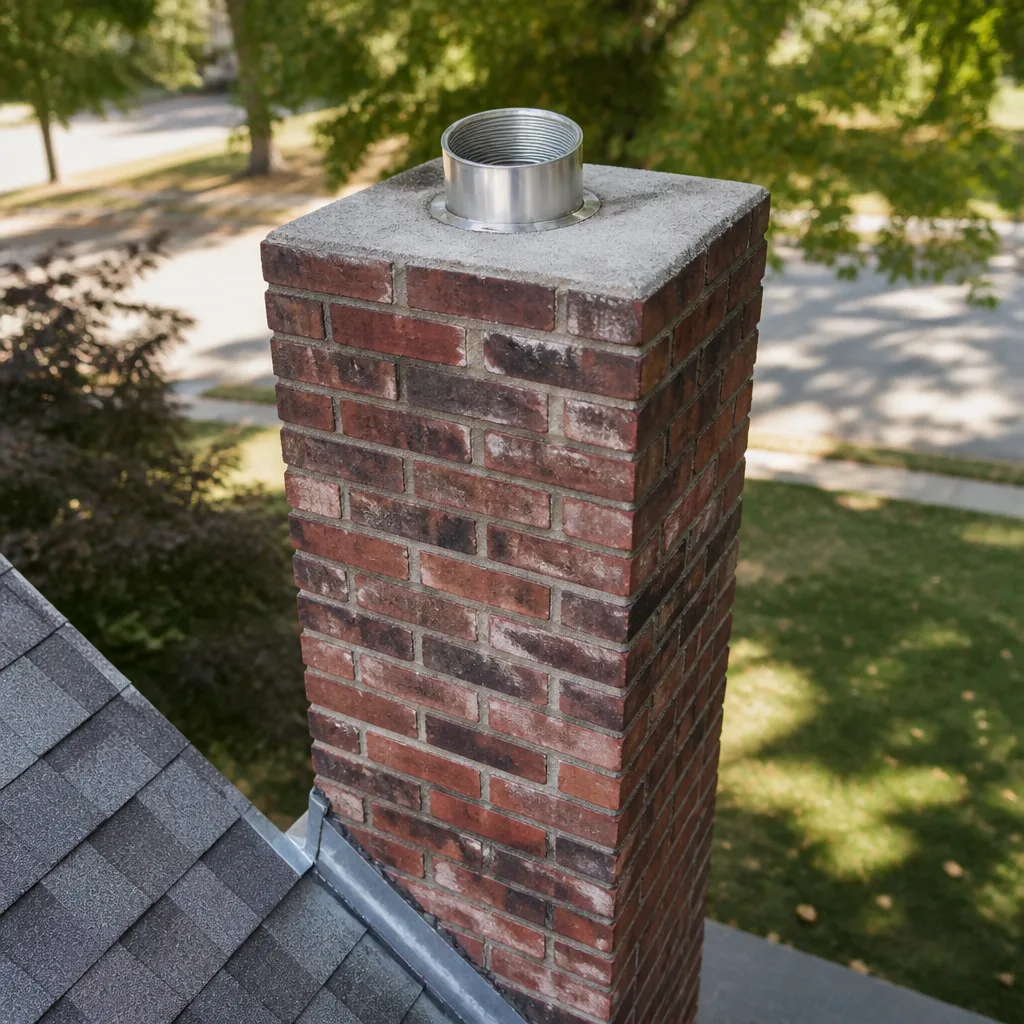 Flue relining
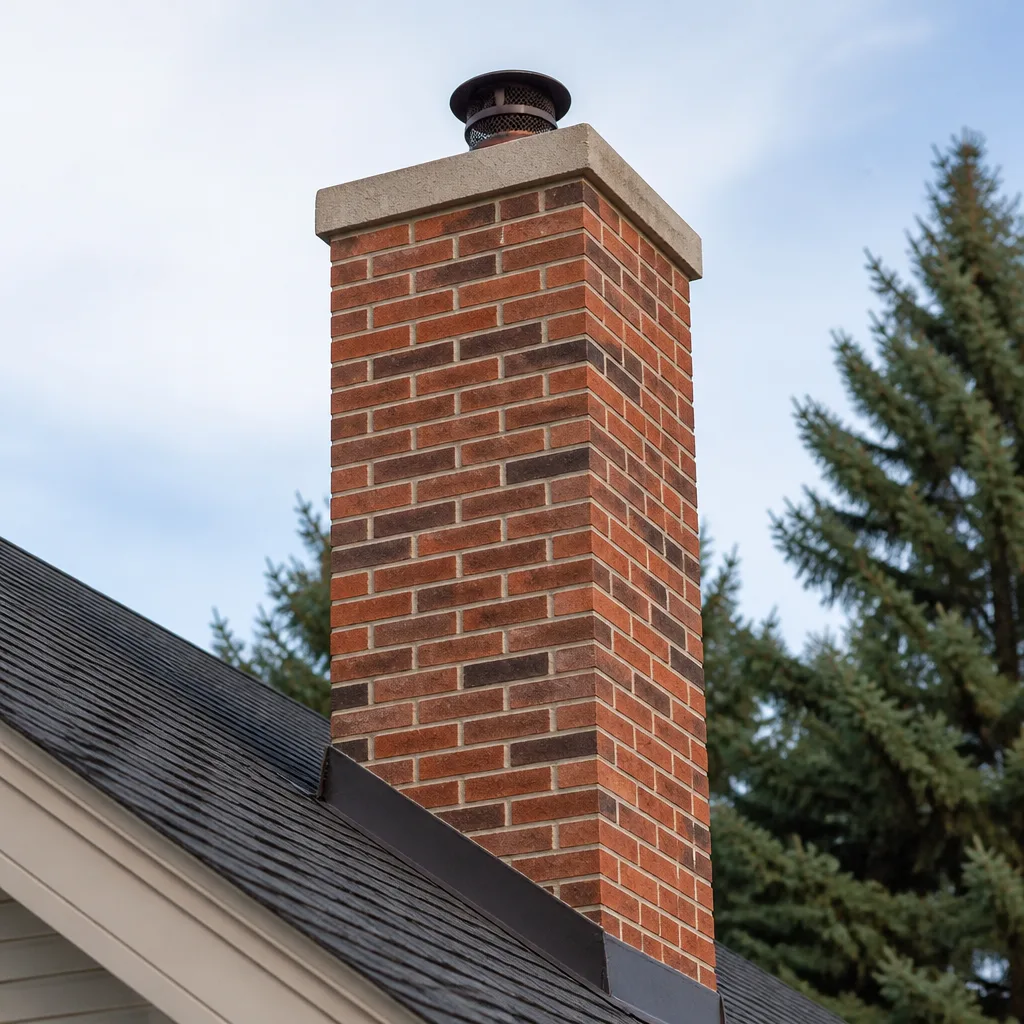 Masonry repair
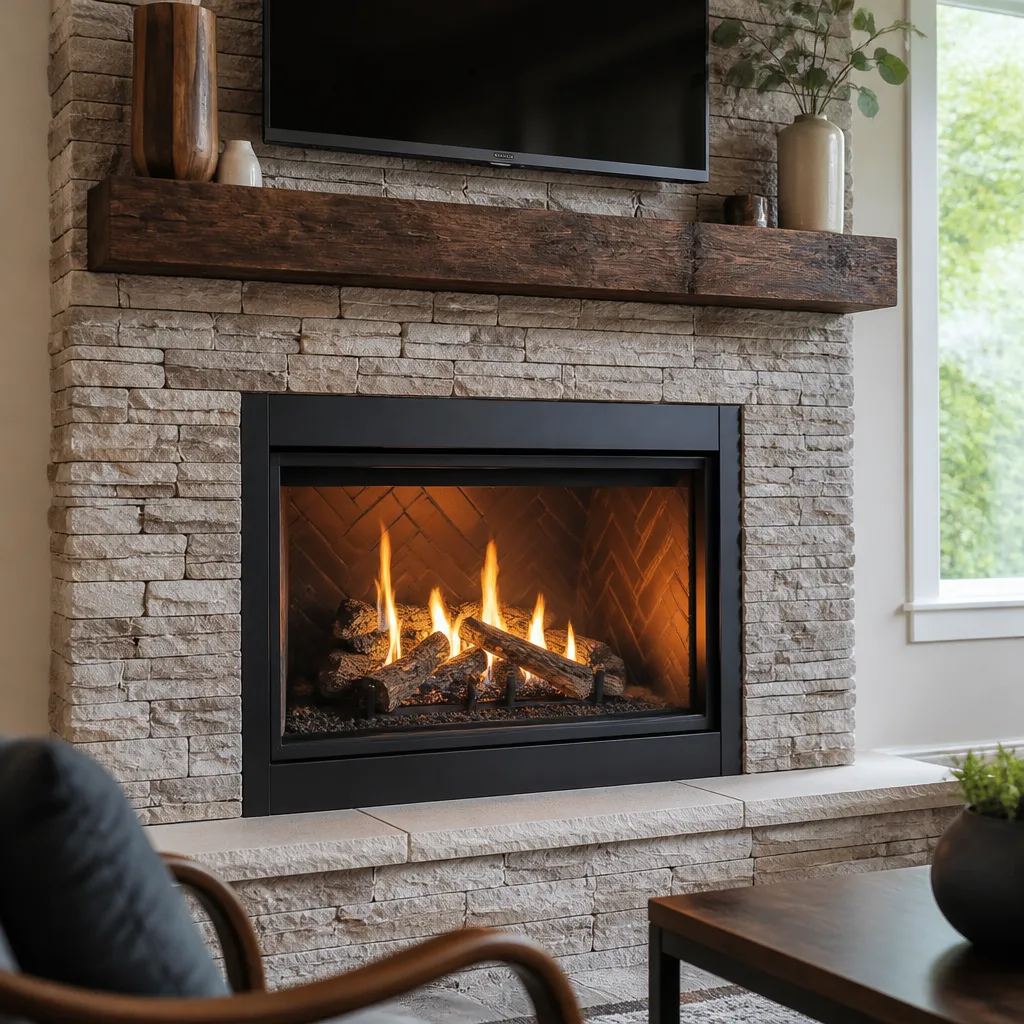 Gas fireplace service
Level 1 sweep and inspection to the NFPA 211 annual standard - flue, crown, cap, and flashing checked and photographed
Chimney sweep logs do not sweep chimneys. They loosen some creosote - which then falls where a brush and vacuum still have to collect it.
Chimney Cleaning Emergency Preparedness Guide for Port St. Lucie Homes
Most chimney safety advice you’ll find online was written for places with hard winters, snow loads and months of steady fireplace use. Port St. Lucie doesn’t work that way. Here, the chimney emergency that actually catches homeowners off guard usually starts with a tropical storm or hurricane, not a cold snap. A storm passes through the Treasure Coast, the weather cools behind it, and the first thing many of us want to do is light a fire. But storm damage that isn’t visible from the ground – a shifted crown, a cracked liner, a dislodged cap – can turn that first post-storm fire into a structure fire. This guide covers what to check, how to recognize a chimney fire while it’s happening, what to do in the first minutes, and how to document storm damage so your insurance claim holds up.
Quick Answer
Before using your fireplace after any tropical storm or hurricane in Port St. Lucie, inspect the chimney from the ground and roofline for a shifted crown, cracked or spalled masonry, a dislodged cap or spark arrestor, and any debris blocking the flue – then have a professional inspection before the first fire of the season. If a chimney fire starts, call 911 immediately, get everyone out of the house, and only use a fire extinguisher if the fire is small, contained and you have a clear exit behind you. Carbon monoxide risk rises sharply after storms, especially when a generator runs near an intake or a damaged liner allows exhaust into the home.
Styles & brands we work with
- Sweep & inspection
- Caps & crowns
- Flue relining
- Masonry repair
- Gas fireplace service
Table of Contents
- What to Inspect on Your Chimney After a Tropical Storm or Hurricane
- How to Recognize a Chimney Fire in Progress
- What to Do in the First Minutes of a Chimney Fire
- Why Carbon Monoxide Risk Spikes in Emergency Scenarios
- How to Document Chimney Storm Damage for an Insurance Claim
- Generator Placement and Chimney Exhaust: Getting It Right
- Year-Round Chimney Preparedness for Port St. Lucie Homes
- Common Mistakes to Avoid
What to Inspect on Your Chimney After a Tropical Storm or Hurricane
Start at ground level. Before you climb anything, walk the perimeter of the house and look up. You’re checking the chimney for anything that has visibly moved, tilted, cracked or gone missing since the storm. Most of what matters is legible from the ground if you know what to look for, and a pair of binoculars helps.
These are the checkpoints we walk homeowners through after a storm. None of them require you to get on the roof, and all of them are worth doing before you light the first fire.
- Crown condition. The concrete cap at the top of the chimney should be intact, sloped away from the flue, and free of cracks wider than a hairline. A crown that has shifted or cracked open lets water straight into the masonry.
- Crown-to-flue joint. Look for a visible gap where the crown meets the flue tile. Water entering there is one of the most common causes of interior masonry damage after a storm.
- Chimney cap and spark arrestor. Confirm the cap is still seated and the mesh or screen is intact. A dislodged cap is a direct path for rain, debris and animals into the flue.
- Masonry and mortar joints. Step back and look for leaning, spalling brick faces, or mortar that has visibly washed out. Fresh cracking that wasn’t there before the storm matters more than old weathering.
- Flashing at the roofline. The metal that seals the chimney to the roof is a common failure point in high wind. Lifted or torn flashing allows water to track along the chimney and into the attic.
- Debris in or on the flue. Palm fronds, leaves, twigs and even small animals end up in flues after storms. If you can see into the flue from below, check for daylight – a blocked flue will not draft.
- Interior signs. Look at the ceiling and walls around the chimney inside the house for new water staining, bubbling paint or a musty smell. That’s storm intrusion showing up indoors.
If any of those checkpoints look wrong, don’t light a fire until a professional has inspected the chimney. The stakes are higher than they look. A cracked or displaced liner loses its ability to contain heat and combustion gases, and a compromised crown lets water into the system, which accelerates damage to the masonry over time. High wind and driven rain don’t leave the chimney untouched, and it pays to check before using it – not after.
How to Recognize a Chimney Fire in Progress
A chimney fire is not always the roaring, dramatic event people picture from movies. Many chimney fires are slow, quiet and smolder for a long time before anyone notices. In our experience, the hardest part for homeowners is telling the difference between normal fireplace operation and a fire burning inside the flue. The cues below are worth committing to memory.
Sounds. A low, rumbling roar from the chimney itself is the classic sign. Some describe it as the sound of a distant freight train or a low-flying jet. Loud tapping, popping or cracking from inside the chimney – not from the firebox – is another warning. That popping is often the sound of creosote igniting and expanding.
Smells. A strong, hot, acrid smell – sharper and more chemical than normal wood smoke – can indicate a chimney fire. A sudden burst of smoke that pours back into the room rather than drafting up is a bad sign in any case, and a fire in the flue can produce that backdraft effect.
Visual cues. Flames or sparks visible at the top of the chimney are the obvious sign. So is thick, dark smoke that changes character suddenly. Look for discoloration on the chimney exterior – blistered paint, warped metal on a cap, or masonry that has cracked in the heat. Inside, a fire in the flue might show as smoke pushing out around the damper or fireplace surround.
One distinction that matters: creosote buildup doesn’t cause symptoms on its own. You can’t see or smell it. What you notice is often the fire it feeds. If you’ve been burning a lot and haven’t had the chimney swept, the risk climbs quietly. If any of the cues above show up, treat it as a live emergency and act.
What to Do in the First Minutes of a Chimney Fire
The right response depends on how big the fire is and how much time you have. These steps are written in the order they should be taken.
- Call 911 first. Do this before anything else. A fire inside a flue can spread into the structure of the house, and only the fire department can confirm the fire is out and the chimney is safe.
- Get everyone out of the house. Including pets. Have a meeting spot outside and stay there until the fire department says you can return.
- Close the fireplace doors or screen, and shut the damper only if you can do it safely. Closing the doors limits oxygen to the fire in the firebox. Shutting the damper restricts airflow to the flue and can slow a fire, but never reach into or over active flames to do it. If you can’t get to the damper safely, leave it.
- Use a fire extinguisher only on a small, contained fire with a clear exit behind you. If the fire is inside the flue, a standard extinguisher won’t reach it. A fire extinguisher is appropriate for a small fire that has spread to the hearth or nearby combustibles – not for a chimney fire that’s roaring inside the flue. If you have any doubt, leave and let the fire department handle it.
- Don’t put water down the flue. Water on a hot flue or masonry can crack it violently, and steam can drive fire and smoke back into the room.
- After the fire is out, don’t use the fireplace again until a professional inspects the chimney. A chimney fire can damage the liner, the crown or the masonry in ways that aren’t visible from the room. Using the fireplace again without an inspection risks a second, worse fire.
The single most important point: never assume a small chimney fire has put itself out safely. The fire may be out at the firebox while damage remains inside the flue. Call 911, get out, and let the professionals confirm the chimney is safe before anyone uses it again.
Why Carbon Monoxide Risk Spikes in Emergency Scenarios
Carbon monoxide poisoning is the silent part of chimney emergencies. It has no smell, no color, and no taste – by the time symptoms like headache, dizziness or nausea show up, someone may already be in real danger. In Port St. Lucie, risk jumps in two very specific storm scenarios.
Generators placed near the house. When the power goes out after a storm, portable generators are the usual backup. Placing one close to a wall, near a window, or under a soffit or carport lets exhaust draft back into the house. That exhaust contains carbon monoxide. Keep generators well away from the house, windows, doors and air intakes, and never run one in a garage or any enclosed space, even with the door open.
Damaged liners and backdrafting. A liner that cracked or shifted in the storm can’t do its job of containing combustion gases and venting them out the top of the chimney. Instead, those gases can leak into the home. The same thing happens when a flue is blocked by debris – the smoke has nowhere to go but back into the room. If a fire won’t draft, or if smoke rolls back into the room when you open the damper, don’t push through it. Open a window, put the fire out safely if you can, and have the chimney inspected before using the fireplace again.
Every home with a fireplace or any fuel-burning appliance should have working carbon monoxide alarms on each level and outside sleeping areas. Check the batteries after every storm, and test the alarms. This is a small step that pays off the first time a chimney, water heater or furnace vents improperly. If you ever suspect a carbon monoxide problem – an alarm going off, or anyone in the household feeling dizzy or nauseous – get everyone outside into fresh air and call 911.
In emergency conditions, the goal is the same as in normal use: know what’s venting, know it’s venting properly, and don’t use a damaged chimney. A single professional inspection before the first post-storm fire resolves all three.
How to Document Chimney Storm Damage for an Insurance Claim
Most homeowners insurance carriers require a professional inspection report before they’ll cover chimney repairs after a storm. A photographed inspection report that identifies the specific damage, its likely cause, and the recommended repair is the document that makes the difference between a covered claim and a denied one. The report establishes that the damage came from the storm rather than from deferred maintenance. Without it, a claims adjuster may assume the damage was pre-existing and deny the claim.
Here’s how to document the damage so the claim stays clean.
- Photograph what you can see from the ground. Take wide shots that show the whole chimney and close-ups of any specific damage – a cracked crown, a dislodged cap, spalled brick. Time-stamped photos taken soon after the storm are the strongest evidence.
- Photograph indoor signs. Water stains on the ceiling or walls near the chimney, damaged fireplace surrounds, or moisture in the attic. Take a second set of photos every few days if the damage continues to develop.
- Keep a written log. Note the date of the storm, the date you noticed the damage, and what you observed. Keep it simple and factual.
- Get a professional inspection report with photos. This is the document carriers look for. The report should identify what’s damaged, what likely caused it, and what repair is recommended. Our inspections are photographed, so the homeowner sees exactly what we see – and so does the adjuster.
- File promptly, and keep the report with the claim. Don’t schedule repairs before the claim is filed, and don’t discard damaged components until the adjuster has seen them if that’s requested.
One point that’s easy to miss: an inspection report also tells you what doesn’t need repair. If the chimney held up, you’ll know that too, and you can use the fireplace without worry. If repairs can safely wait, we’ll say so. The report should show its evidence, photographed, so you’re not taking anyone’s word for the level of damage.
Generator Placement and Chimney Exhaust: Getting It Right
Portable generators are part of storm life on the Treasure Coast, and most generator injuries have little to do with the generator itself – they’re about where it runs and where the exhaust ends up. Chimneys complicate the picture. A chimney is a vertical shaft, and under the wrong conditions, it can pull air – and any carbon monoxide in that air – back into the house. So can a clothes dryer vent, a bathroom fan, or a kitchen exhaust.
Follow these rules when running a generator:
- Place the generator outside and well away from walls, soffits, carports and windows. The exhaust end should face away from the house.
- Never run a generator in a garage, an enclosed porch, or under a carport, even with the door open.
- Keep the generator away from any intake vent, chimney, or opening into the house. Don’t assume a wall between the generator and the house is enough.
- Set up carbon monoxide alarms inside and test them every storm season.
- If the exhaust ends up near the chimney and the fireplace is in use, that’s a bad combination. Don’t run both at once.
If your generator is running and a carbon monoxide alarm sounds, shut it down and get everyone outside into fresh air. Open the windows and doors to air the house out. Only restart the generator after it’s moved to a safer location. If you or anyone in the house has a headache, dizziness or nausea while the generator is running, treat it as carbon monoxide exposure and call 911.
Year-Round Chimney Preparedness for Port St. Lucie Homes
Preparedness isn’t only a storm-season activity. Chimney care in Port St. Lucie works on a different schedule than it does in cold climates. Mild winters mean we use our fireplaces infrequently by northern standards, but that’s actually a reason to be more attentive, not less – a chimney that sits unused gives water intrusion and animals time to do damage in the off-season, and a fireplace that gets used intermittently can build creosote across the chimney’s life without anyone noticing.
Here’s how we think about the year. Storm season runs from summer into fall, so a professional chimney inspection before the season gives you a baseline to compare against after a storm. A sweep before the season clears out whatever built up the previous winter. Then use the fireplaces through the cooler months, and stay alert for drafts or smoke that rolls back. After any named storm, do the ground-level check above and call for an inspection if anything looks off. Before the next fire season, sweep again.
The sweep itself matters more than people expect. Creosote – the residue that builds up in a flue from burning wood – is combustible. A small deposit is normal, and a sweep removes it. A chimney swept on a regular schedule is a safer chimney, and it’s the foundation of every part of the safety picture. That’s why we say a clean chimney is the starting point, not the finish line.
In Port St. Lucie, the fireplace isn’t usually the primary heat source, but for anyone with a wood insert, wood stove or a well-used fireplace, it’s still a meaningful part of the home. Treat it that way: inspect before storm season, sweep before fire season, and check after every named storm. One company handling the inspection, the sweep and any repair is the simplest way to keep the whole chimney on a schedule. If you want the full picture of how our services work, look at our Unity Chimney Sweep services and get a sweep on the calendar before the first cold front.
Common Mistakes to Avoid
- Skipping the inspection after a storm because you can’t see damage from the ground. A shifted crown or a cracked liner often doesn’t look damaged from the lawn, and what you can’t see from the ground is exactly what causes trouble inside the flue.
- Lighting the first fire of the season before the flue has been checked. After a summer of disuse, debris, animals or a blocked cap can ruin the first fire – and a flue that won’t draft will push smoke straight back into the house.
- Assuming a small chimney fire put itself out. Damage inside the flue is often invisible from the room. Even a brief chimney fire warrants a professional inspection before you use the fireplace again.
- Running a generator close to the house, windows or a chimney. Exhaust can draft back inside even when the generator looks reasonably far from the house. Place it well away, with the exhaust facing away from any opening, and keep the alarm working.
- Filing an insurance claim without a professional inspection report. Most carriers want a photographed inspection report before covering chimney repairs. Filing without one risks a denial based on an assumption that the damage was pre-existing.
- Using a chimney after a storm without checking for water intrusion inside. New stains on the ceiling or walls near the chimney are a sign water is getting in. Left alone, water damage to masonry compounds.
- Putting off the sweep because the fireplace has only been lit a few times. Intermittent use still builds or leaves debris and, over time, creosote. A routine sweep is how you catch what you can’t see from the room.
When to Call a Professional
Some chimney problems are obvious emergencies – a chimney fire, visible flames at the top of the chimney, smoke that won’t vent, or a carbon monoxide alarm during use. Others are the kind of thing you’d rather catch early. Any storm damage that seems structural, a crown that’s visibly shifted or cracked, a cap that’s come loose, a liner that has lost pieces, or any new water staining near the chimney inside the house all call for a professional inspection before the fireplace is used again. Not every issue is urgent, and an inspection exists to tell you what needs immediate attention and what can safely wait. Unity Chimney Sweep offers free estimates in Port St. Lucie – call (844) 990-3838. We answer 24/7. Fast dispatch from 7am to 7pm, Sunday through Friday. Our technicians have up to 11 years of experience, and the estimate is set per job by the written estimate, so the price you agree to is the price that holds. If you want to get on the schedule, a chimney sweep before the first cool front is the place to start.
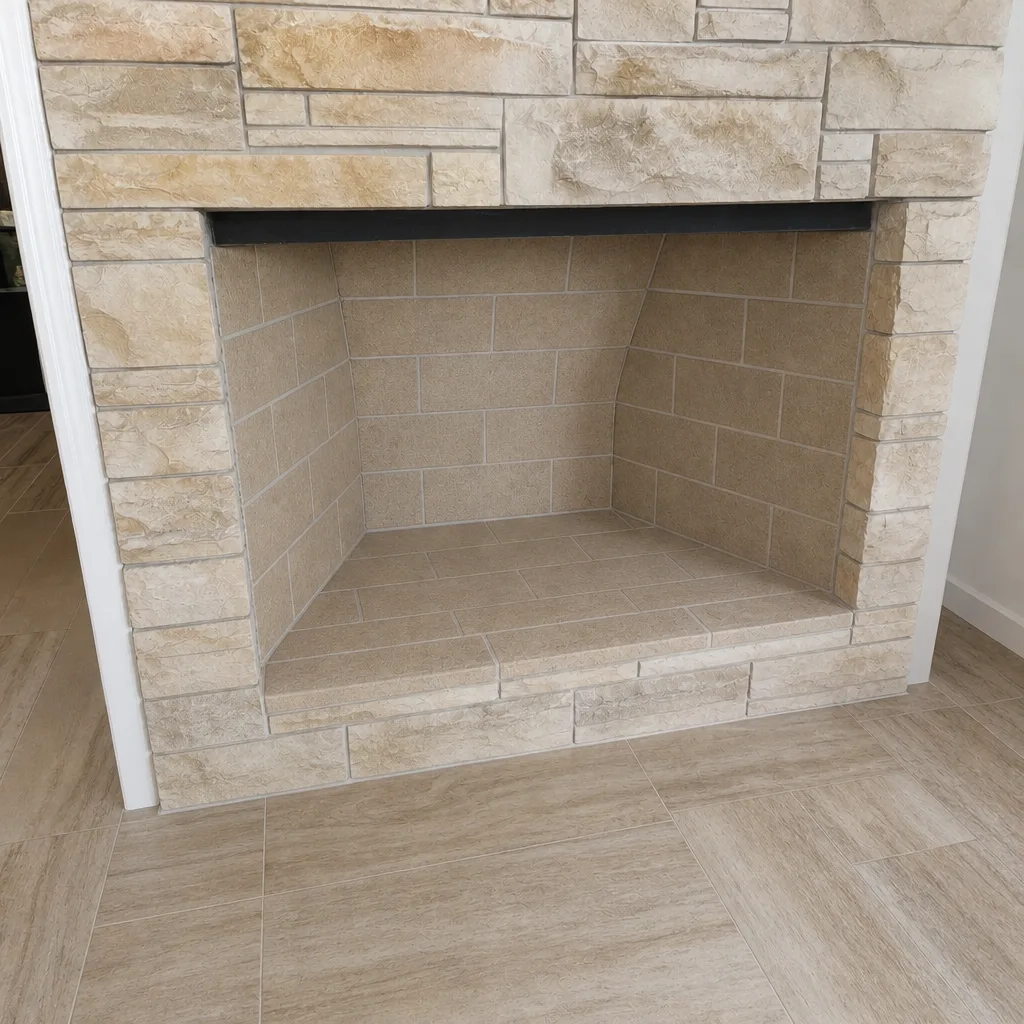
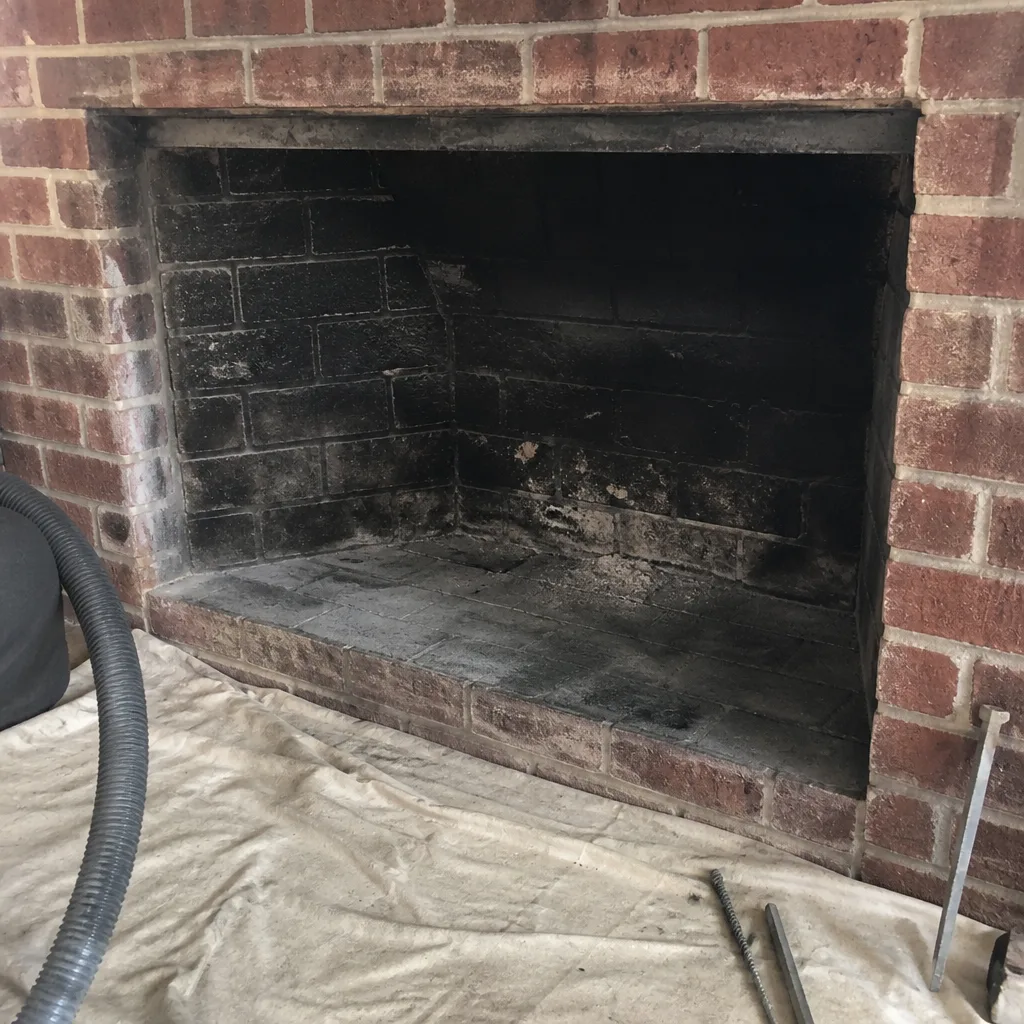
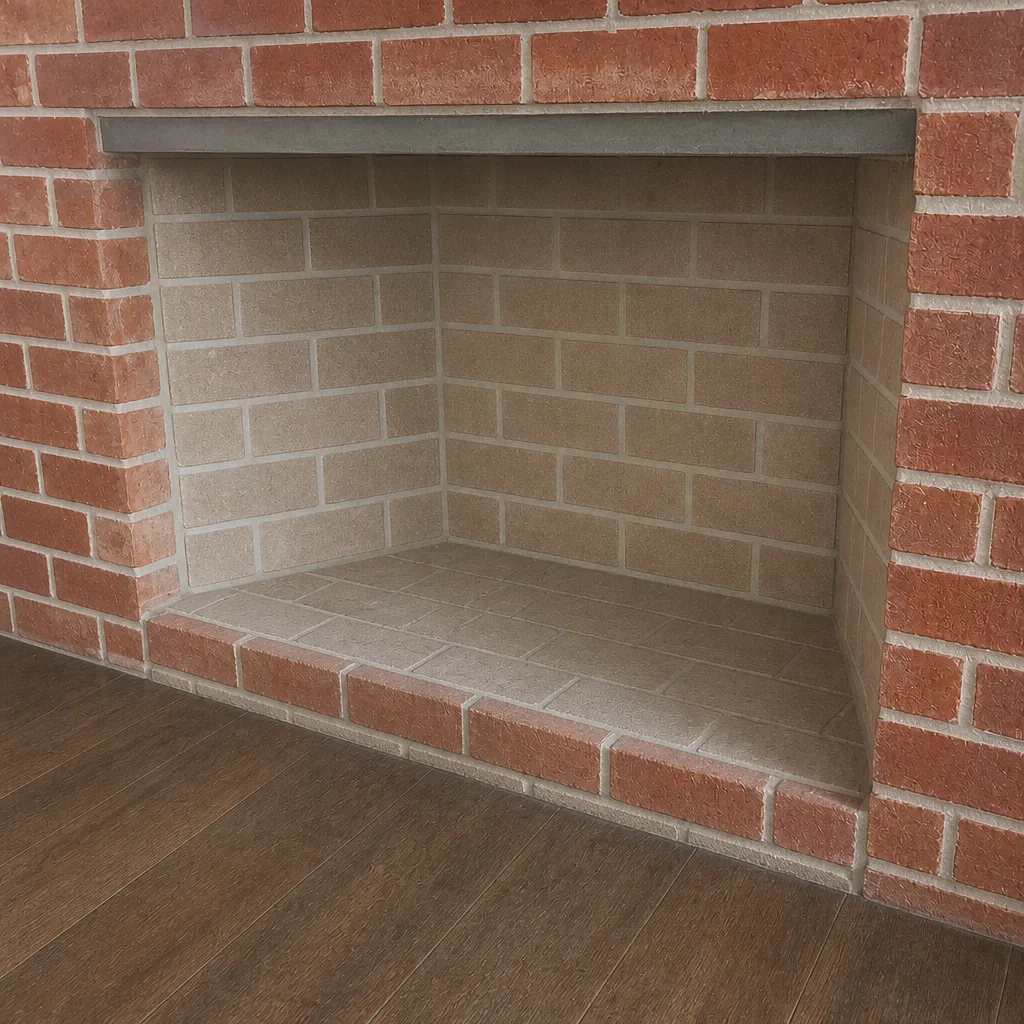
See the difference
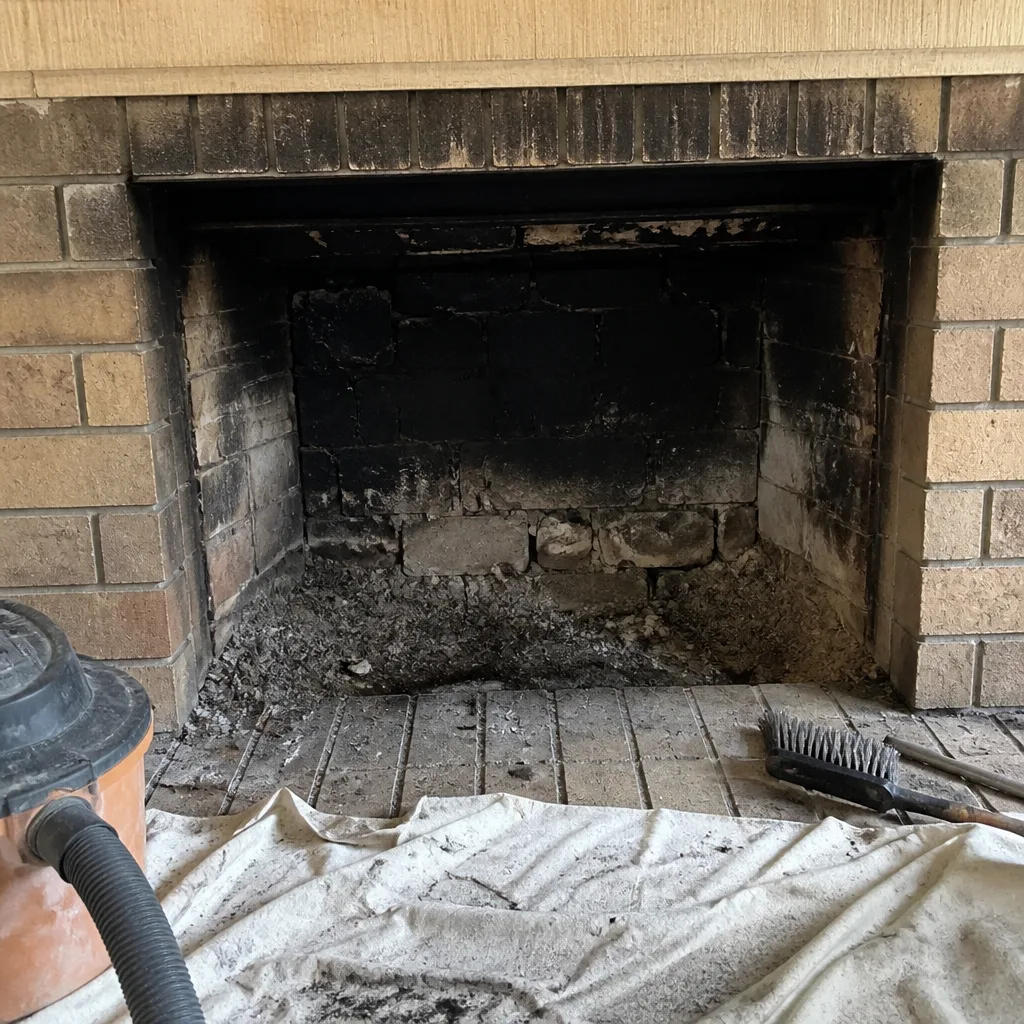 Before
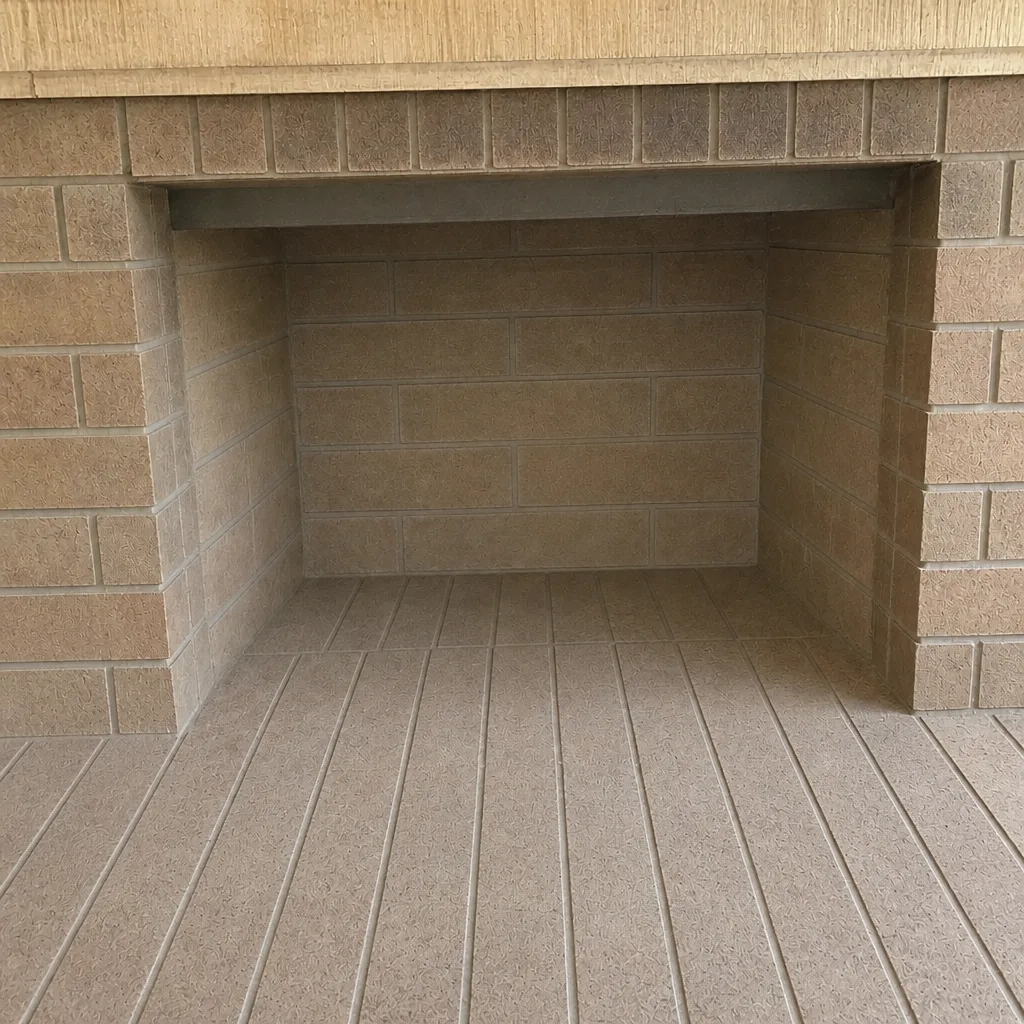 After
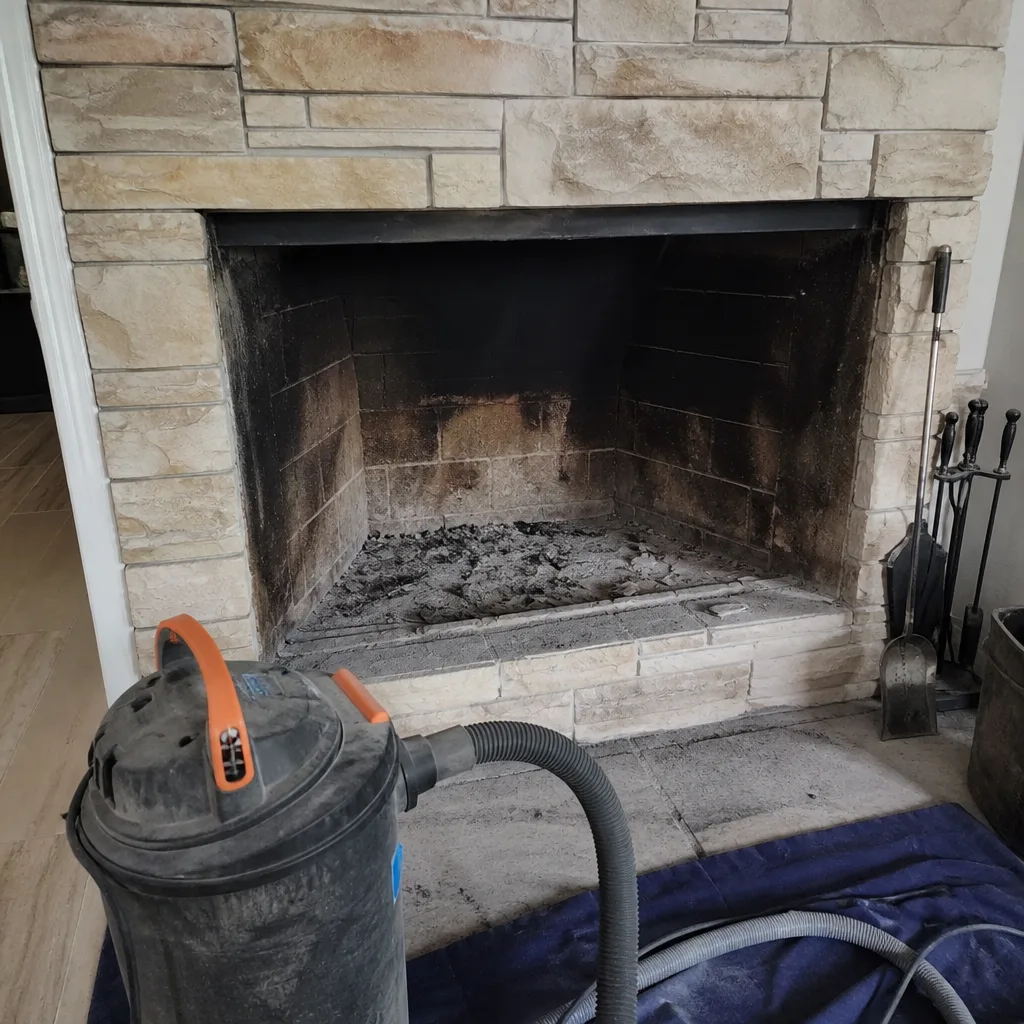 Before
 After
 Before
 After
Frequently Asked Questions
Check the crown for cracks or shifting, the cap and spark arrestor for damage or displacement, the mortar joints and brick faces for fresh cracking, and the flashing where the chimney meets the roof. Look for any debris in the flue, and check inside the house for water stains around the chimney. If anything looks off, have a professional inspect the chimney before lighting a fire. Call (844) 990-3838 for an exact quote – estimates are free.
A chimney fire can sound like a low roar, loud tapping or popping from inside the chimney, and it can smell sharp and acrid – quite different from normal wood smoke. Flames or sparks at the top of the chimney are the clearest sign. If any of these appear, call 911, get everyone outside, and don’t use the fireplace again until a professional inspects it. Call (844) 990-3838 for the inspection – estimates are free.
Call 911 first for any suspected chimney fire. A chimney fire can spread into the structure, and only the fire department can confirm it’s out and the chimney is safe. A fire extinguisher is appropriate only for a small, contained fire that has moved out of the flue and onto the hearth, and only if you have a clear exit behind you. Call (844) 990-3838 after the fire is out to schedule the inspection – estimates are free.
Two reasons. Portable generators running close to the house can let exhaust draft back inside through windows, doors or a chimney, and a liner that was damaged in the storm can leak combustion gases into the home instead of venting them out. Keep generators well away from the house and any openings, and have the chimney inspected before its next use. Call (844) 990-3838 for an inspection – estimates are free.
Most carriers require one before covering chimney repairs after a storm. A photographed inspection report that identifies the damage, its likely cause and the recommended repair is what a claims adjuster uses to determine whether the damage is storm-related or pre-existing. We photograph our inspections so the report shows what we see. Call (844) 990-3838 for an exact quote – estimates are free.
A chimney should be swept on a regular schedule – once a year is the common baseline for a working fireplace, and more often if you burn frequently or notice buildup. In Port St. Lucie, the best time is before the fire season begins, and again after any storm if you have reason to suspect debris or damage. Call (844) 990-3838 for an exact quote on a sweep – estimates are free.
Creosote builds up in the flue and becomes fuel for a chimney fire, debris and animals can block it, and damage that would have been caught early goes untreated. The result ranges from a smoky fire to a flue that won’t vent, or a chimney fire that spreads into the structure. A routine sweep is the way to catch all of it. Call (844) 990-3838 for an exact quote – estimates are free.
Both. Our chimney repair services cover damage from a storm, including flue resurfacing, relining and weatherproofing with spec-grade components. Because we handle inspection, sweeping and repair together, you’re not handed off between vendors. Call (844) 990-3838 for an exact quote – estimates are free.
The Bottom Line
The storm is over, and the first instinct is to light a fire. Resist it until the chimney has been checked. In Port St. Lucie, storm damage to a chimney is often invisible from the ground, and the checkpoints in this guide – crown, cap, flashing, masonry, flue debris and interior signs – are the fastest way to spot a problem before it matters. Recognize a chimney fire by its sound, smell and visual cues, and call 911 if one starts. Keep generators well away from the house, keep carbon monoxide alarms working, and don’t skip a photographed inspection report before filing an insurance claim. A sweep before the season and an inspection after any named storm keep the whole chimney on schedule. If you’re planning the work in Port St. Lucie, get it on the calendar before the first cold front.
Contact
If you’re ready to prepare your chimney for the season, or you’re not sure whether a storm left damage behind, call Unity Chimney Sweep at (844) 990-3838 for a free estimate. We answer 24/7. Fast dispatch from 7am to 7pm, Sunday through Friday. We inspect before we sweep and repair what we find, with spec-grade materials from brands like DuraFlex, Olympia Chimney and Copperfield, and one point of contact from the inspection through the repair.
Written by the team at Unity Chimney Sweep.