
Last updated November 16, 2026
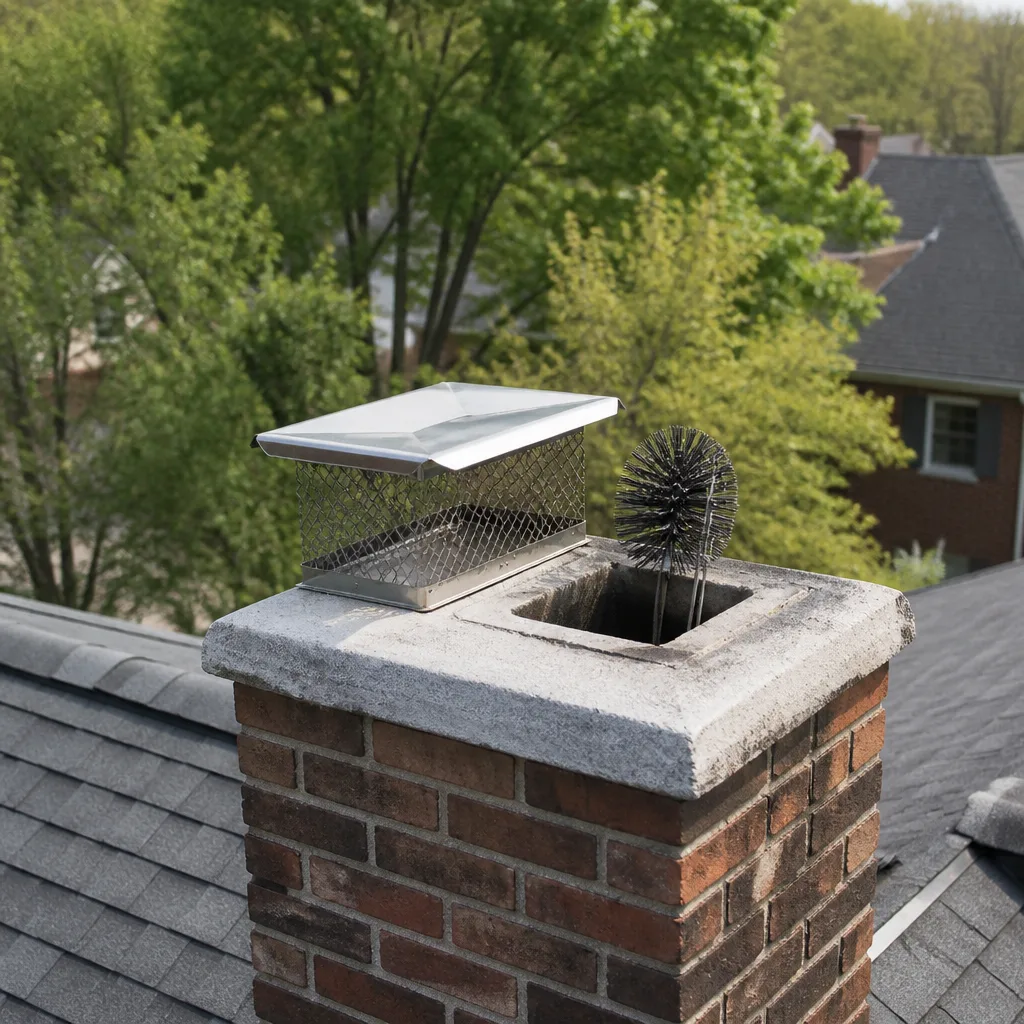 Sweep & inspection
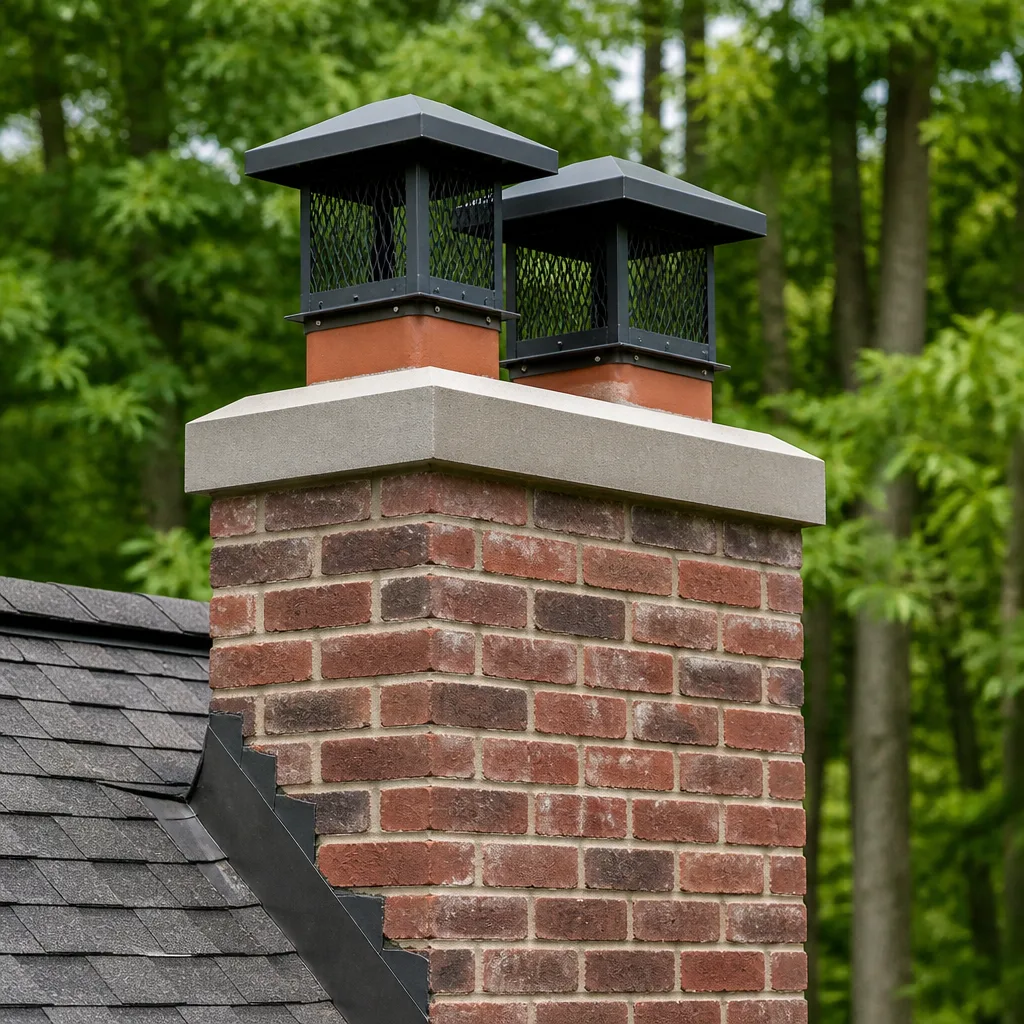 Caps & crowns
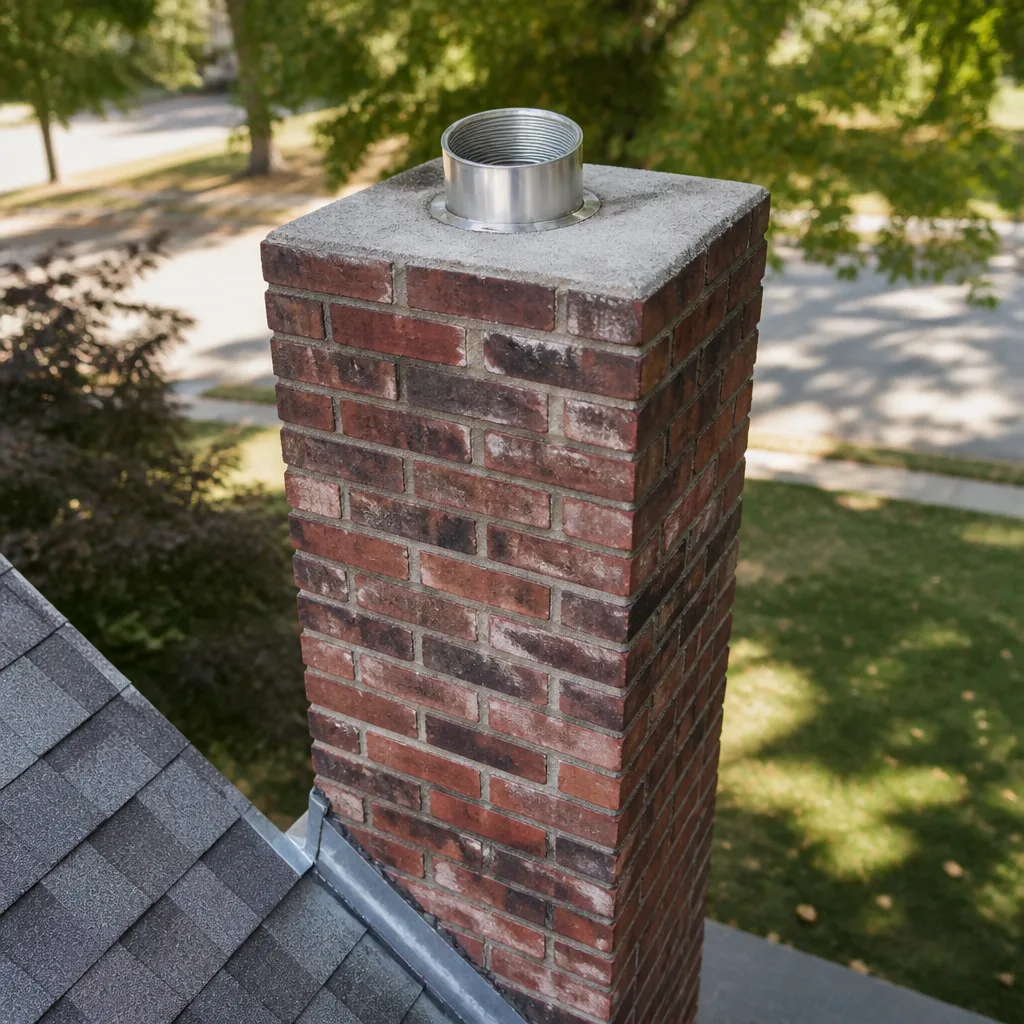 Flue relining
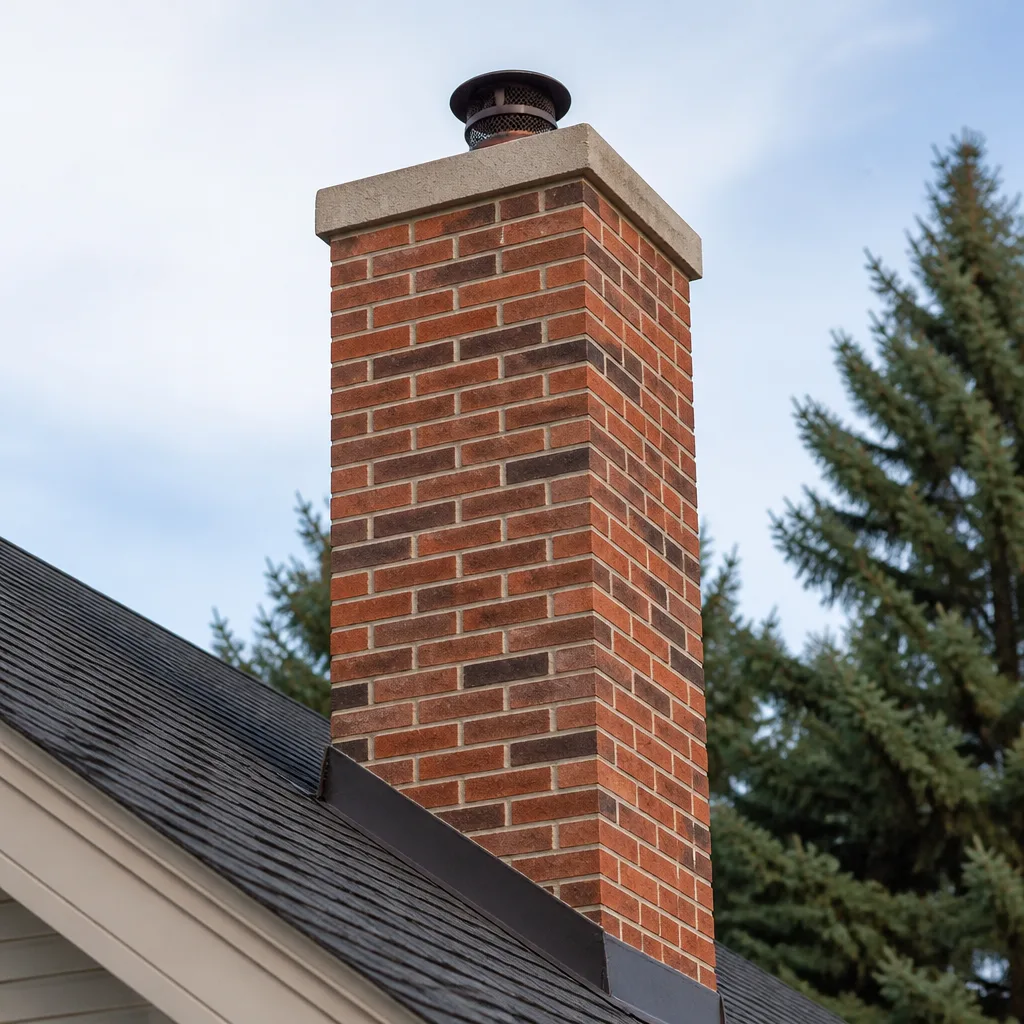 Masonry repair
 Gas fireplace service
Level 1 sweep and inspection to the NFPA 211 annual standard - flue, crown, cap, and flashing checked and photographed
Chimney sweep logs do not sweep chimneys. They loosen some creosote - which then falls where a brush and vacuum still have to collect it.
Chimney Sweep Maintenance Checklist for Port St. Lucie Homeowners
If you’re copying a chimney checklist designed for a Minnesota home, you’re checking for the wrong things. Port St. Lucie chimneys sit idle in heat and humidity for eight months before you light a single fire, and that idle time does more quiet damage than the burning season ever does. A checklist built for a house that freezes half the year misses the problems a Treasure Coast house actually develops: pests that move in by May, crowns that crack after a storm season, and creosote that takes a back seat to moisture. What follows is a maintenance checklist calibrated for this climate and this house, laid out before, during, and after the burn. You’ll learn what you can check yourself, what needs a trained eye, and how to keep a record that holds up if you ever sell or file a claim.
Quick Answer
A Port St. Lucie chimney needs a sweep and inspection once a year, timed to end of the burning season rather than the start, plus a visual check before your first fire and again after storm season. Homes near the city’s tree cover and inland areas around St. Lucie West and the Torino community should check caps and screens monthly during the wet months, because animal intrusion is more common than most homeowners expect.
Styles & brands we work with
- Sweep & inspection
- Caps & crowns
- Flue relining
- Masonry repair
- Gas fireplace service
Table of Contents
- Pre-Season Checklist Before the First Burn
- Storm-Season Inspection: Caps, Crowns, and Screens
- Moisture Checks for a Humid Off-Season
- Mid-Season Checkpoints for Regular Wood Burners
- Post-Season Steps Most Checklists Skip
- What You Can Check Yourself vs. What Needs a Sweep
- How to Log Chimney Maintenance for Sales and Claims
Pre-Season Checklist Before the First Burn
The first fire of the season is the one that tests everything you ignored for eight months. Before you light it, run this list in order. The goal isn’t to clean the flue yourself. It’s to catch blocked, wet, or pest-occupied conditions before a fire makes them dangerous.
- Look up the flue from the firebox with a flashlight. You’re checking for daylight, a nest, or a crust of sooty buildup. No daylight means a blockage or a flue packed with creosote.
- Open the damper fully and confirm it moves cleanly. A stiff damper is a sign of rust or debris in the smoke chamber.
- Check the cap from the ground with binoculars. A missing, bent, or rusted cap is an open door for wildlife and rain.
- Look for water staining and efflorescence (white powder on brick) inside the firebox and along the chimney breast. Both point to a leak above.
- Test your smoke and carbon monoxide detectors before the first fire, not after.
- Schedule a sweep and inspection if you haven’t had one since the last burning season closed.
This is also the time to confirm your chimney is ready for real use, not decorative use. If it’s been a few years since anyone looked inside the flue, a chimney sweep plus a camera inspection is the honest starting point. In our experience, most problems in Port St. Lucie chimneys show up before the season begins, not during it, and they show up as moisture or animal issues far more often than heavy soot.
Storm-Season Inspection: Caps, Crowns, and Screens
Storm exposure is the maintenance item that gets skipped most often on a Port St. Lucie chimney, because the damage is quiet and happens above eye level. After hurricane season, the top of the chimney takes the worst of whatever finds its way up there. Wind, driving rain, and debris test the cap, the crown, and the coursing around the flue, and a failure at the top lets water travel down the inside of your chimney for months before you notice.
Here’s what to look for after storms:
- Cap and screen integrity. A cap that’s bent, rusted through, or missing its screen needs replacement. A screen keeps birds, squirrels, and bats out of the flue; without it, the flue becomes a nest site.
- Crown cracking. The crown is the sloped concrete top that sheds water away from the flue. Hairline cracks are common; deep or gaping cracks let water reach the masonry below.
- Loose flashing. Where the chimney meets the roof, flashing seals the joint. Lifted, missing, or cracked flashing is water’s easiest entry point.
- Brick and mortar damage. Look for spalled faces, crumbling mortar joints, or bricks that have moved.
Cap and cover work is where the right parts matter. Gelco and Famco components cover caps and weatherproofing with spec-grade materials rather than the hardware-store substitutes that fail within a couple of seasons. For a home around Tradition or St. Lucie West, where storm exposure and a full tree canopy meet, that cap is doing more work than the average homeowner realizes.
Moisture Checks for a Humid Off-Season
In Port St. Lucie, moisture is the enemy most chimney checklists barely mention. Eight months of heat and humidity, then storm season’s rain and wind, means your chimney spends most of the year with water trying to get in, not fire trying to get out. Masonry is porous. A neglected crack, a failed cap, or a cracked crown becomes a slow leak that damages the flue lining, the smoke chamber, and the structure behind the wall.
Signs to check for:
- Water stains on the ceiling near the chimney, or on interior brick.
- White efflorescence on the firebox or exterior masonry.
- A musty smell from the firebox in the off-season.
- Rust on the damper or a firebox that won’t fully dry.
- Soft mortar that crumbles when you touch it.
If you find any of these, it’s not a wait-and-see item. Water damage gets more expensive the longer it runs. HeatShield resurfacing can rebuild the interior lining when the damage is inside the flue, and it’s a repair we can handle as part of the same visit that turns up the problem, not a referral to a second company.
Mid-Season Checkpoints for Regular Wood Burners
If you burn wood regularly through the November to March window, the mid-season checkpoint matters. Most homeowners have the sweep once and forget it, but a chimney under regular use builds creosote the whole season. The issue isn’t whether it builds up but whether it reaches the stage where a fire inside the flue becomes a real risk.
A simple mid-season routine:
- Smell for creosote. A sharp, acrid smell when you open the firebox door is a sign of buildup. Don’t confuse it with the smoky smell of a freshly used fireplace.
- Watch your draft. A fire that’s harder to start, smokes into the room, or has a weaker draw than it did a month ago is telling you the flue is restricted.
- Check smoke chamber buildup. Look for soot accumulation above the damper, in the shelf beneath the flue.
- Log every burn day and every sweep. When a sweep is scheduled, they’ll know how many cords of wood you’ve actually burned, not a guess.
Whether to add a mid-season sweep depends on how you burn. A few fires a month over the winter rarely needs it in this climate. A fire most nights for months does. If you’re not sure, a quick inspection in January settles it. We tell you what your chimney actually needs, not what adds the most to an invoice.
Post-Season Steps Most Checklists Skip
The end of the burning season is the most important maintenance window on this whole list, and it’s the one most generic checklists skip entirely. Closing the season clean is what keeps your Port St. Lucie chimney stable through the humid, idle months. What you leave inside the flue in March is what sits there until November.
- Schedule the sweep at end of season. Remove creosote before humidity and pests have eight months to work with it. Soot left in a damp flue sets into a harder, more corrosive residue.
- Have the flue inspected. Sweeping clears, inspecting catches. Interior cracks, gaps around the flue tiles, and a compromised lining are far easier to address in spring than in the fall panic.
- Seal out moisture and animals. Confirm the cap is intact and the screen is fastened. If you don’t have a cap, get one. This is the single best off-season protection you can install.
- Close the damper tightly. An open damper lets humid air straight into the firebox all summer.
- Record the sweep and inspection. Date, what was done, what was found, and any repairs. Details below.
Post-season is also when a liner assessment makes the most sense. The DuraFlex liner systems we install address draft and structural problems you can’t fix by cleaning, and when a camera inspection shows a damaged lining, the off-season gives you time to make a decision without a fire on the calendar. That’s the full-service model: we inspect before we sweep, and repair what we find, all under one roof.
What You Can Check Yourself vs. What Needs a Sweep
There’s a line between useful checking and dangerous work, and it’s worth knowing where that line sits. A chimney carries fire, carbon monoxide, and years of buildup. Some things are yours to do. Others need a professional with the right tools.
What you can do yourself
- Look up the flue with a flashlight before each season.
- Check the cap and screen from the ground with binoculars.
- Test the damper by opening and closing it.
- Look for water stains and efflorescence on interior surfaces.
- Test smoke and carbon monoxide detectors.
- Keep a written log.
What needs a sweep or technician
- Removing creosote from the flue. Creosote is flammable and corrosive, and brushing it incorrectly can compact it.
- Evaluating the interior lining and tiled flue with a camera.
- Inspecting the crown, flashing, and masonry at roof level.
- Resurfacing or relining a damaged flue.
- Diagnosing draft, backdraft, or smoke-chamber problems.
Roof-level work is a height-work safety matter, and flue work is a fire-safety matter. Neither is worth doing from a ladder in the driveway. If your check turns up anything from the second list, that’s a call to a professional, not a project to take on. Our technicians have up to 11 years of experience, and the camera inspection with photo report shows you exactly what’s happening inside the flue so you can see it yourself.
How to Log Chimney Maintenance for Sales and Claims
A maintenance log is the most underrated step on this checklist. When you sell a Port St. Lucie home or file an insurance claim after a chimney issue, a written history of sweeps, inspections, and repairs tells a straightforward story that a buyer’s inspector or an adjuster can verify. Without it, the chimney is a question mark.
What to record for every visit:
- Date of the sweep, inspection, or repair.
- Who performed it (the company name, not a person’s name).
- What was done: swept, inspected with camera, cap replaced, liner resurfaced, flashing repaired.
- What was found: stage of creosote, condition of the lining, cracks, damage, animal evidence.
- Photos, when the technician provides them. A camera inspection and photo report included with the visit belongs in your folder.
- Any recommendations, and whether you addressed them.
Keep the file with your home’s other maintenance records. If a home sale inspector flags the chimney, a clean history of annual inspection and documented repairs answers questions before they become objections. If you ever file a claim, it shows the chimney was maintained, not left to fail.
Common Mistakes to Avoid
- Scheduling the annual sweep in the fall instead of after the season. A fall sweep clears what was already there, but spring clears the creosote before eight humid months give it time to damage the flue. End of season is the better window.
- Skipping the inspection because the sweep was quick. Sweeping is cleaning; inspection is diagnosis. A fast sweep doesn’t mean the flue is sound. Camera inspection and a photo report are where the real findings come from.
- Assuming a cap is optional here. In a climate with a long idle season and a lot of wildlife activity, an open flue is an invitation. A capped and screened chimney is protected year-round.
- Ignoring efflorescence or a musty smell as cosmetic. White powder and off-season odor both point to moisture getting into the masonry. It’s a leak, not a stain.
- Burning unseasoned wood to make the season easier. Wet wood creates more smoke and more creosote, and it’s harder to control the fire. It costs you more in maintenance than it saves.
- Waiting for fall to book. End-of-season is when you’re most likely to get the schedule you want and the time to make repair decisions without a fire waiting.
- Never keeping a log. A chimney with no history is a harder sell and a harder claim. Five minutes a year to record the visit pays off later.
See the difference
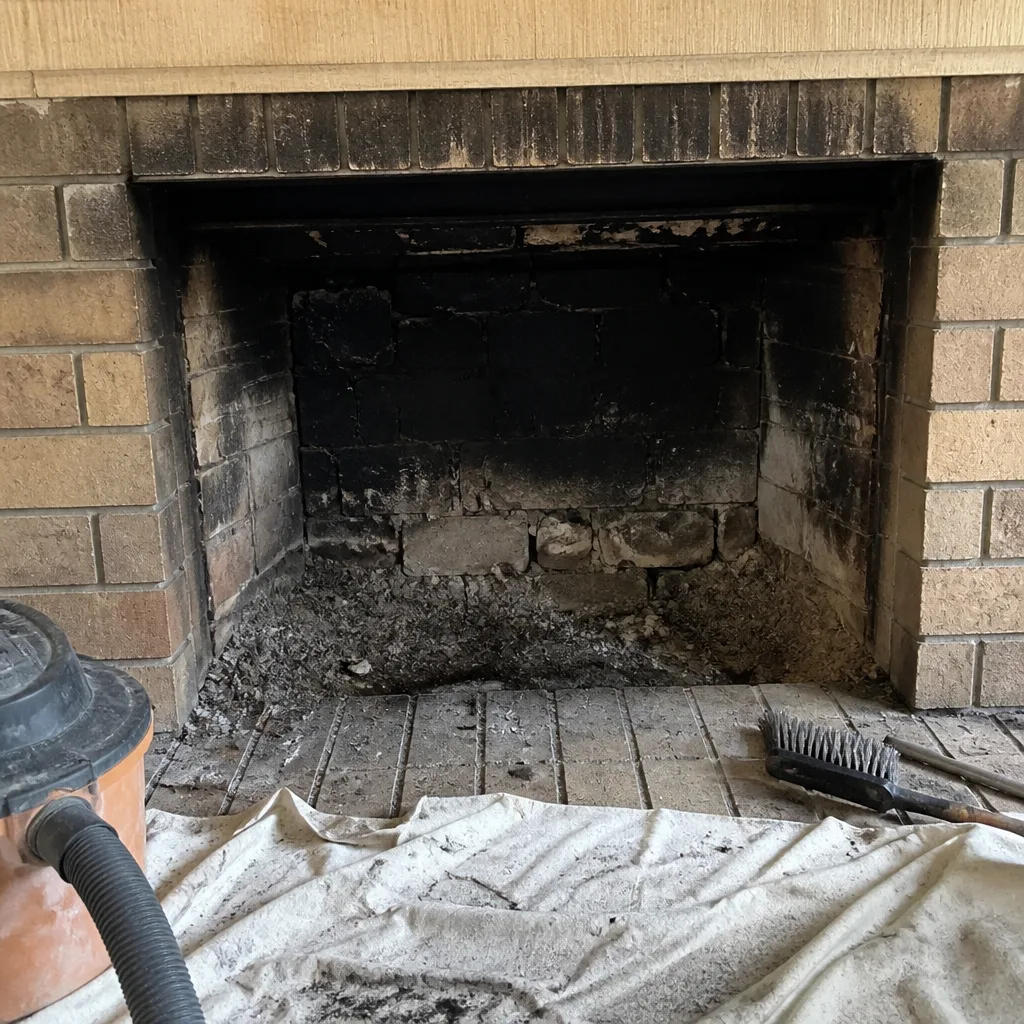 Before
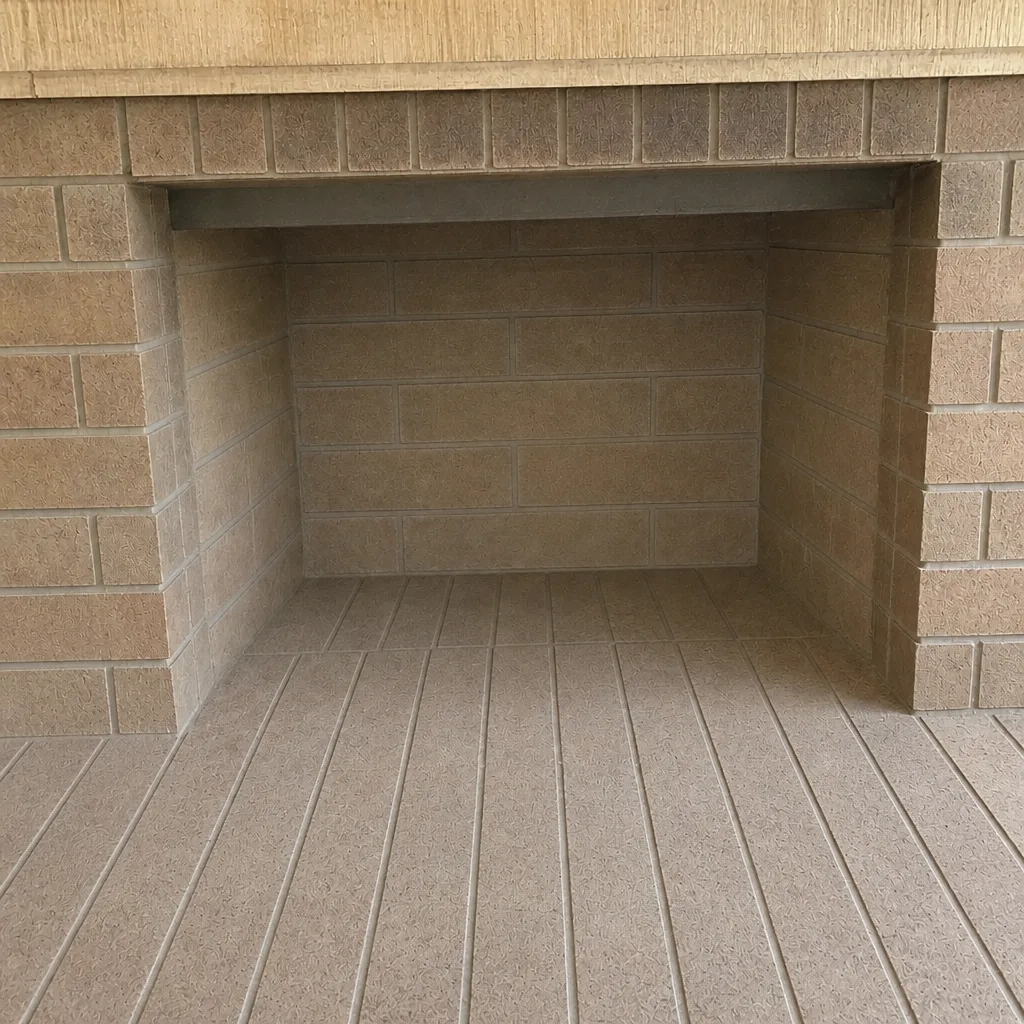 After
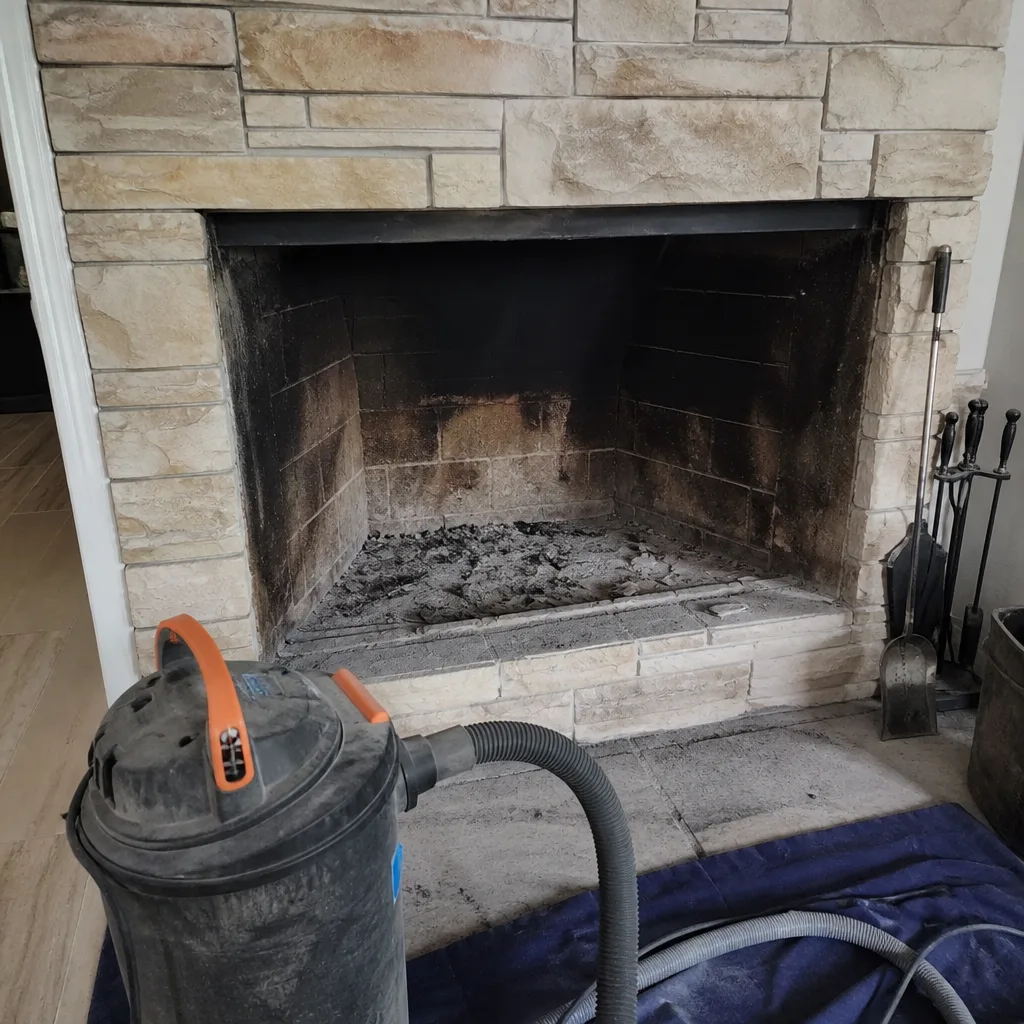 Before
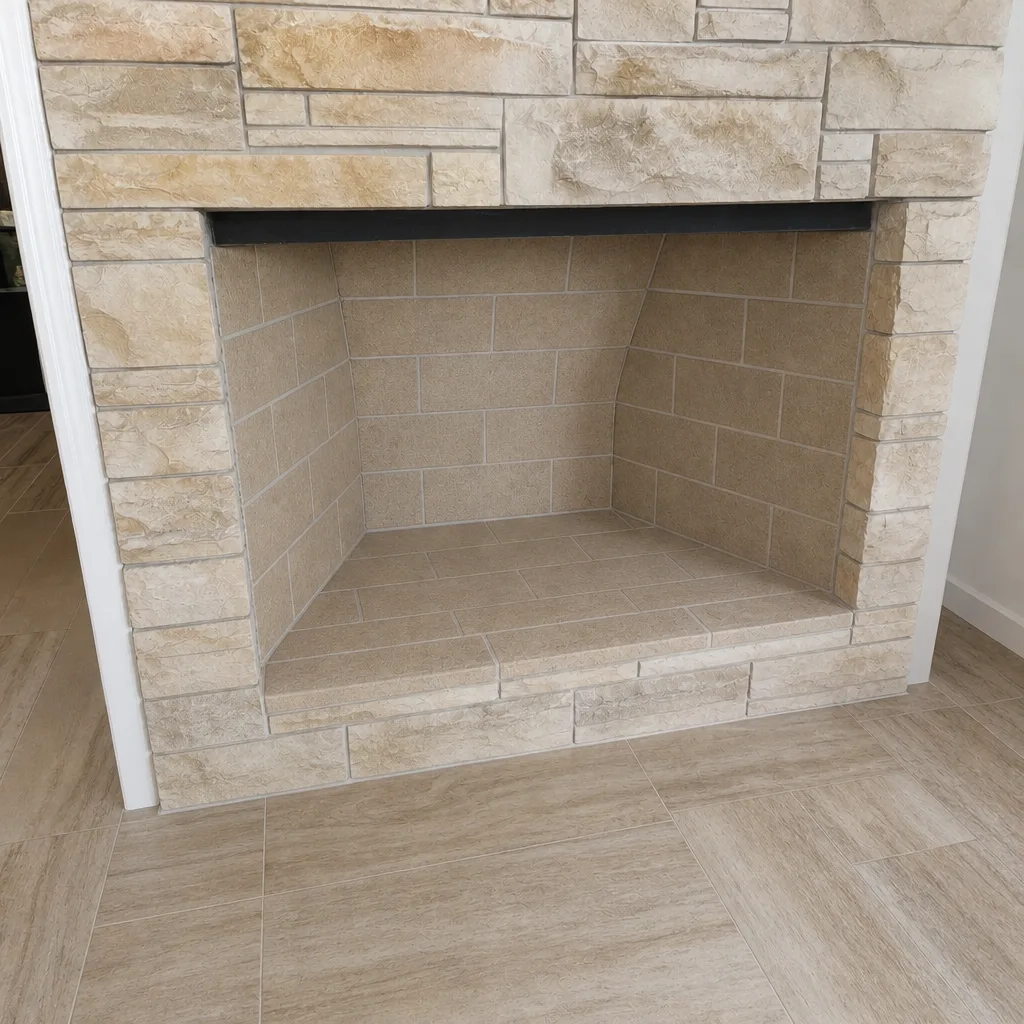 After
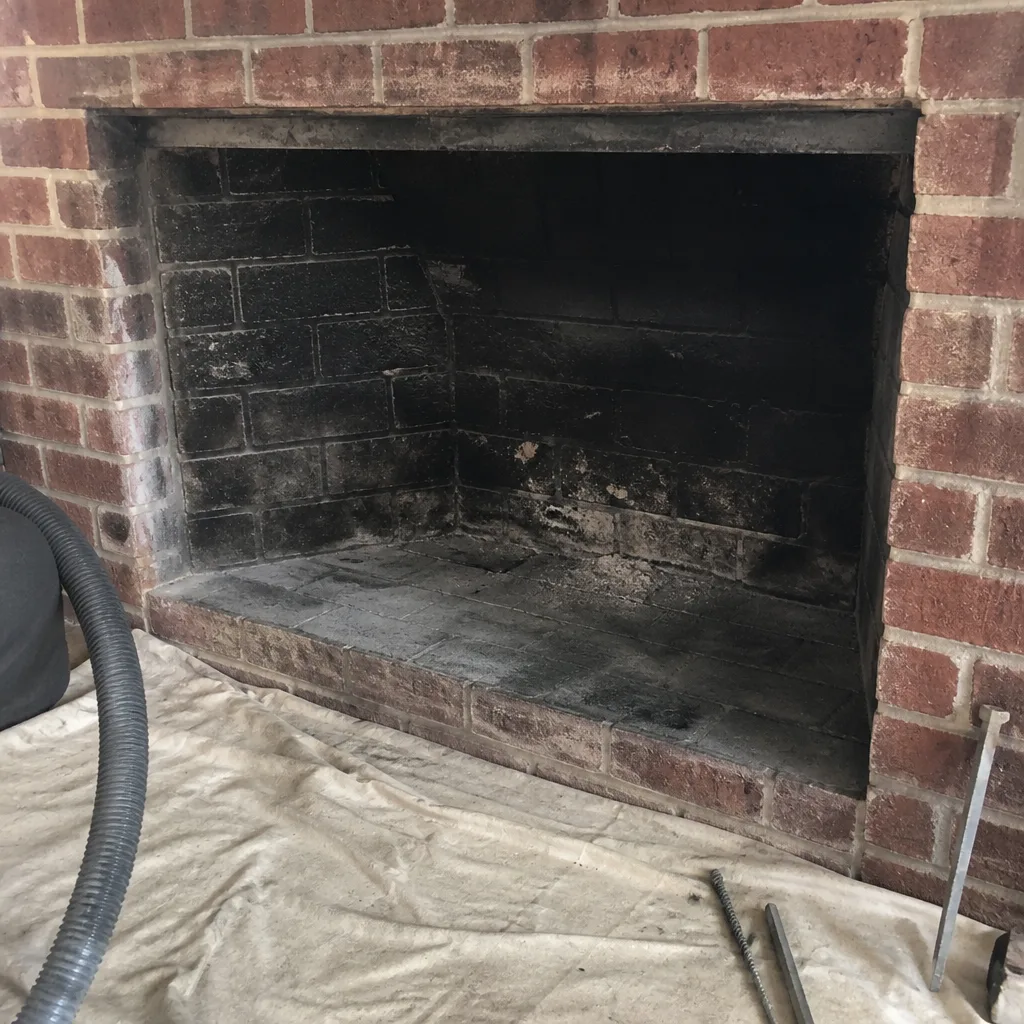 Before
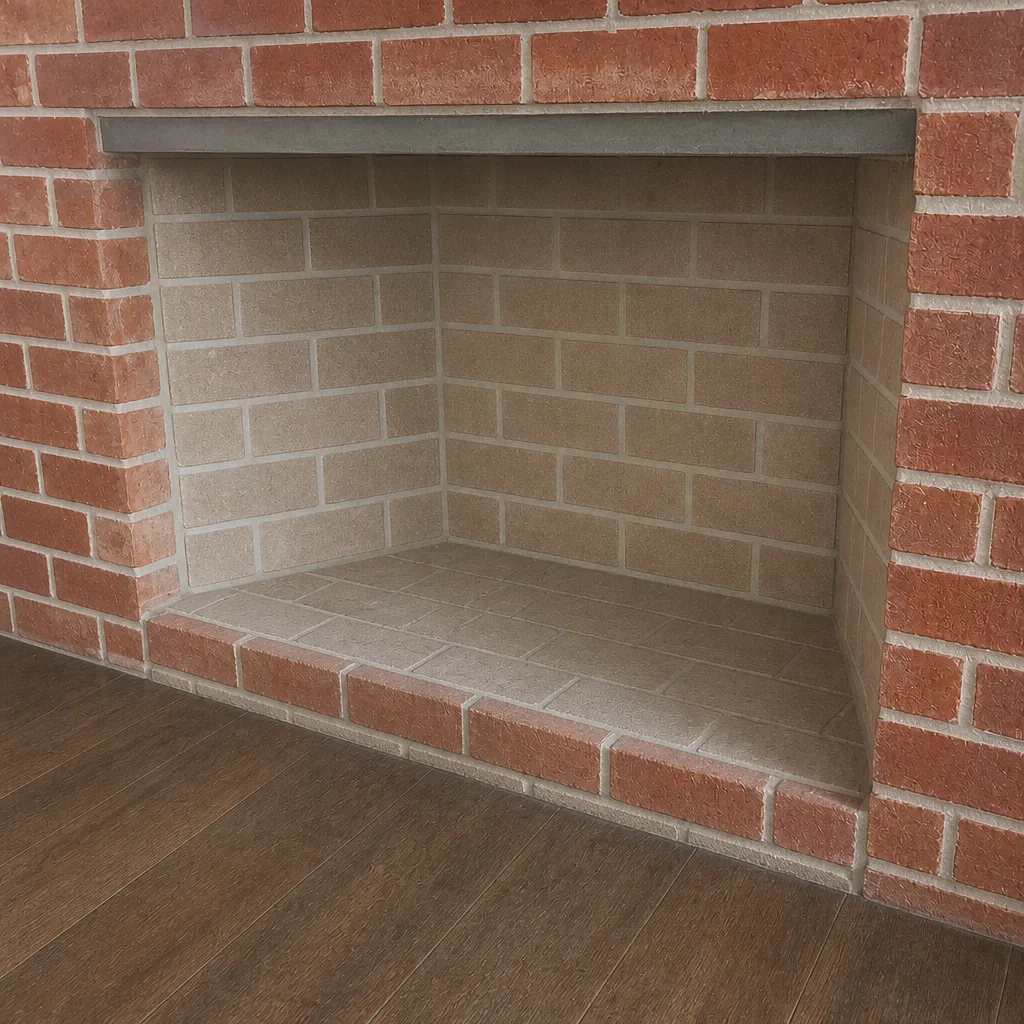 After
When to Call a Professional
Some signs are an immediate call, not a diy project. If you smell gas, stop and call your gas utility first. If smoke backs into the room on a cold start, the flue may be obstructed or draft may be compromised, and a camera inspection settles it. If you see water stains on the ceiling or interior masonry, or find efflorescence and a musty odor, moisture is already inside the chimney. If the cap is missing, damaged, or a screen is torn, or if you’ve heard birds in the flue, call before the next fire. If the chimney lining is damaged, or the firebox brick is spalling, the lining needs a professional assessment. And if it has been a year or more since the sweep and inspection, it’s due, whatever the season. The full range of repair work, including resurfacing and relining, is covered by our chimney repair service.
Unity Chimney Sweep offers free estimates in Port St. Lucie. Call (844) 990-3838.
Frequently Asked Questions
Once a year for most wood-burning homes, timed to the end of the burning season rather than the start. If you burn wood regularly from November through March, a mid-season inspection can help. If you only light a fire a few times a year, annual inspection plus the end-of-season sweep is the right rhythm for this climate. Call (844) 990-3838 for an exact quote; estimates are free.
Skipping it lets creosote and moisture build up in the same flue over eight idle months. Creosote is flammable, and a heavily loaded flue raises the risk of a chimney fire. Moisture damages the lining and masonry. Neither problem announces itself until it’s advanced, which is why the annual inspection matters more than the fire you can see. Call (844) 990-3838 for an exact quote; estimates are free.
Yes. A cap with a screen keeps out rain, debris, and animals, and in a climate with a long off-season, an open flue is a standing invitation to birds, squirrels, and moisture. Gelco and Famco caps and covers cover the whole cap-and-weatherproofing category with spec-grade materials. Call (844) 990-3838 for an exact quote; estimates are free.
We use controlled sweeping with containment, and the camera inspection gives you a photo report of the findings. You get to see what was in the flue and what condition it’s in. Call (844) 990-3838 for an exact quote; estimates are free.
Sweeping removes creosote and debris. Inspection diagnoses the condition of the flue, lining, crown, and masonry using a camera. We do both, and we inspect before we sweep so nothing gets cleaned away before it’s documented. Call (844) 990-3838 for an exact quote; estimates are free.
It depends on the damage. HeatShield resurfacing can rebuild a flue lining, and DuraFlex liner systems address structural and draft problems that cleaning can’t fix. A camera inspection determines which applies. Call (844) 990-3838 for an exact quote; estimates are free.
The Bottom Line
A chimney checklist for Port St. Lucie has to be built around the off-season, not the burning season. That means checking the cap, crown, and screens after storms, watching for moisture and pests during the idle months, sweeping and inspecting at the end of the season, and logging every visit. Do the visual checks yourself. Leave the flue, the lining, and the roof-level work to a professional. One company handling inspection, sweeping, and repair from diagnosis through completion is what closes the gap between finding a problem and getting it addressed. A clean chimney is the starting point, not the finish line.
Unity Chimney Sweep handles the full chimney lifecycle across Port St. Lucie, and we’re the single point of contact from first inspection through final repair. Call (844) 990-3838. We answer 24/7. Fast dispatch from 7am to 7pm, Sunday through Friday.
Written by the team at Unity Chimney Sweep.