
Last updated November 16, 2026
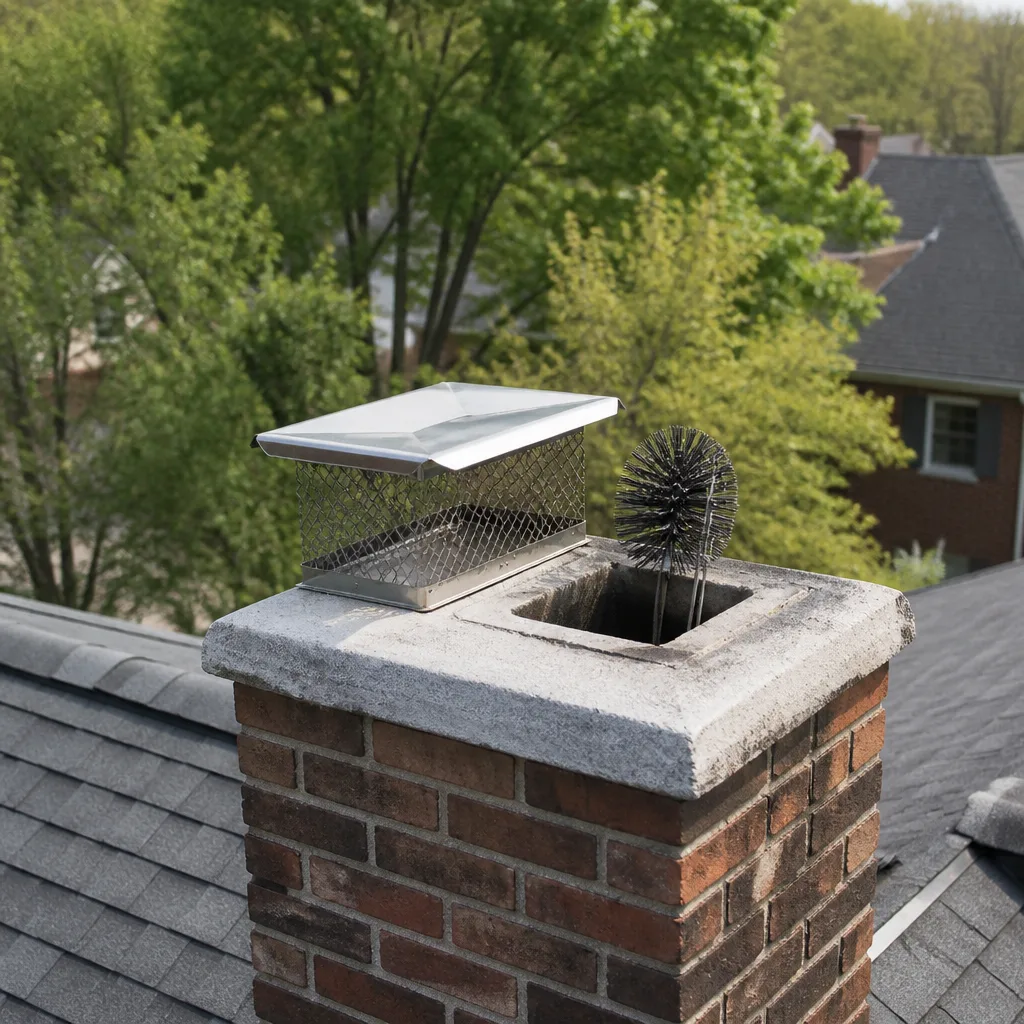 Sweep & inspection
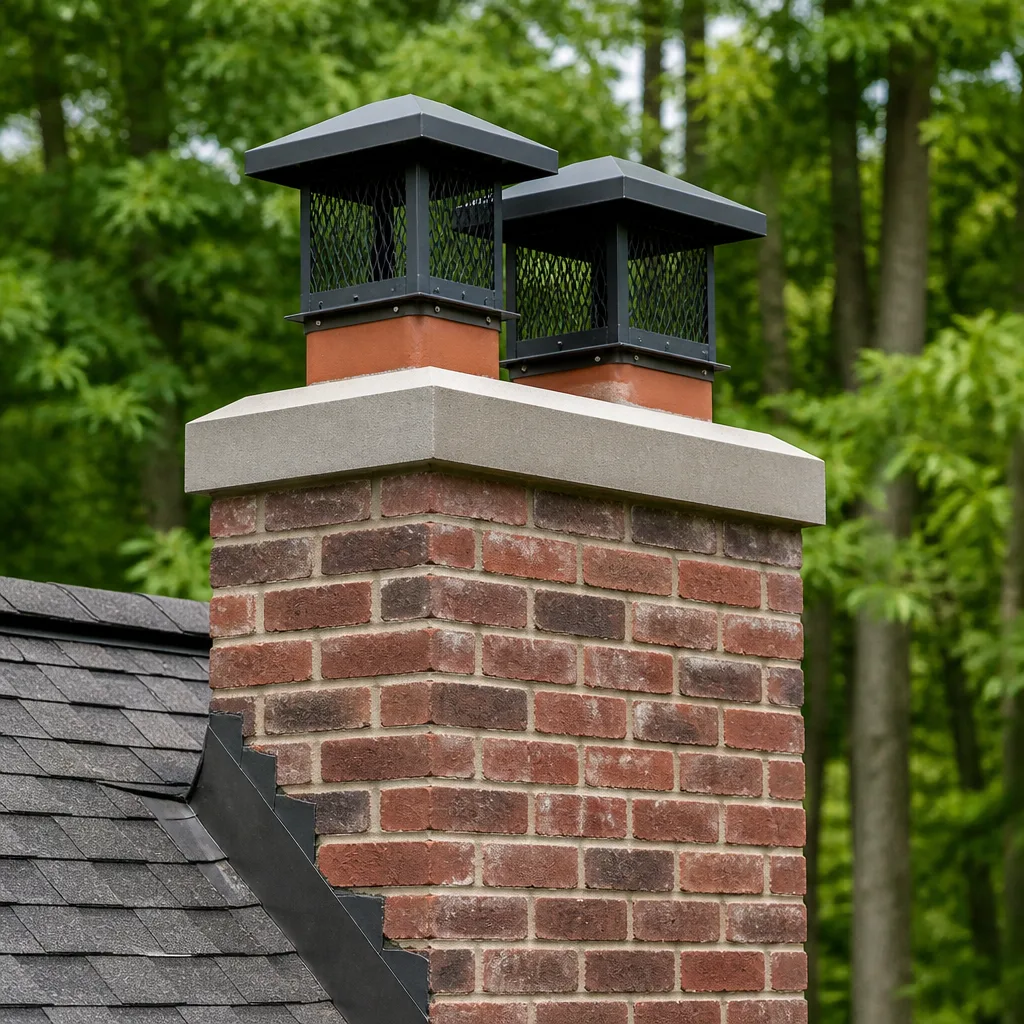 Caps & crowns
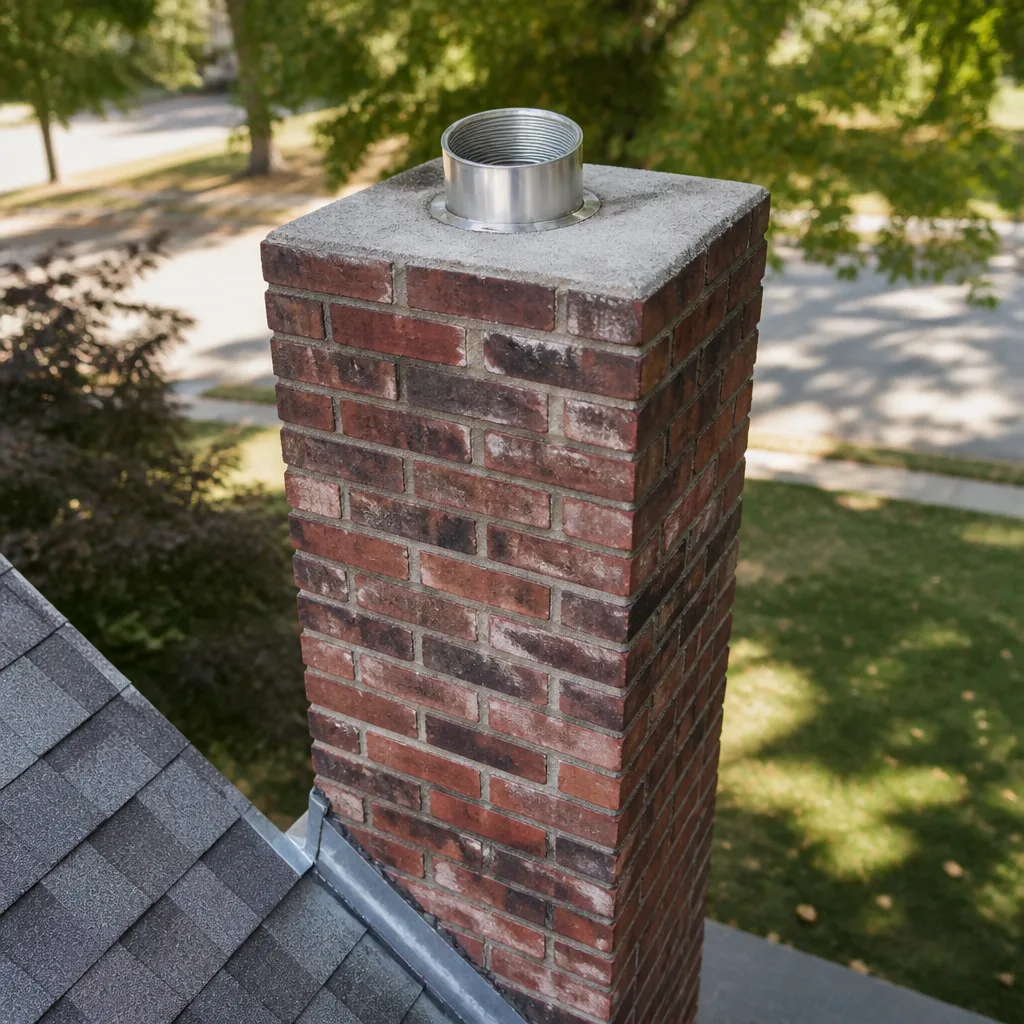 Flue relining
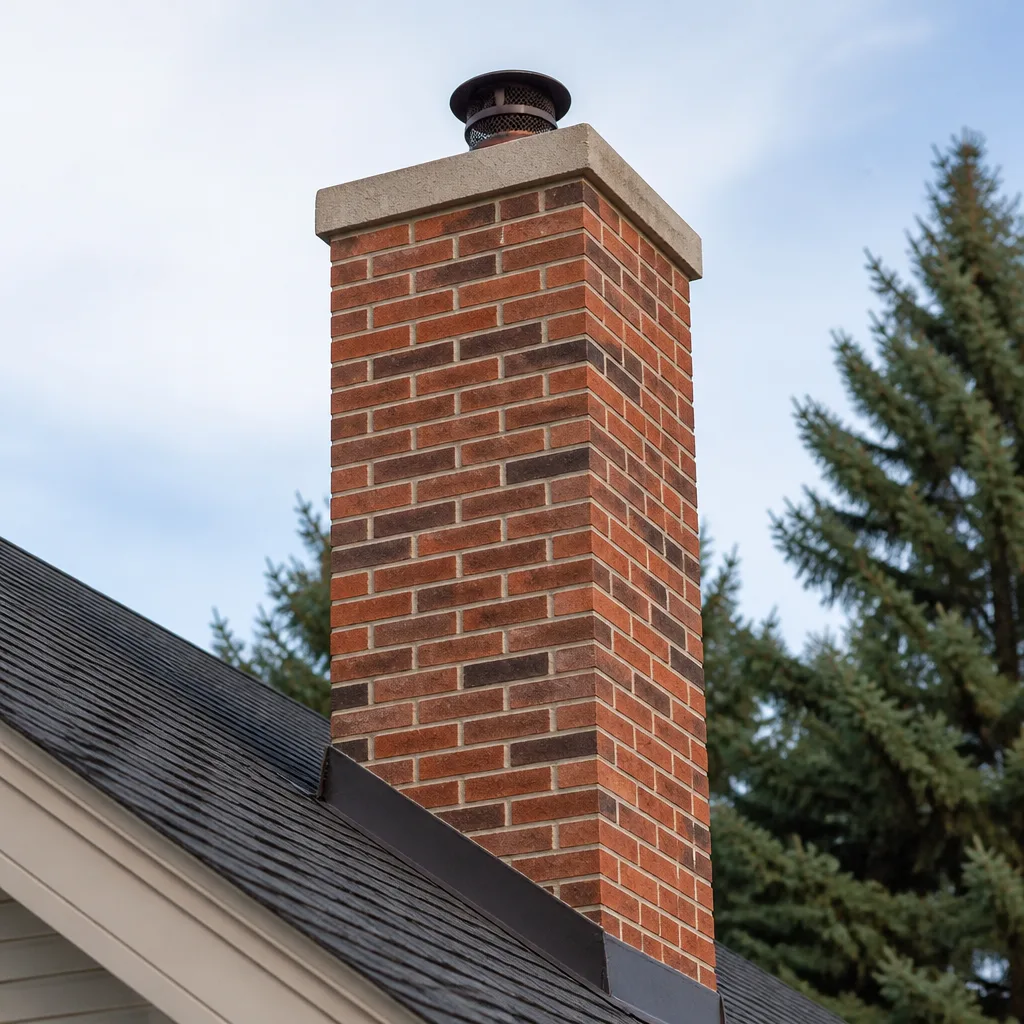 Masonry repair
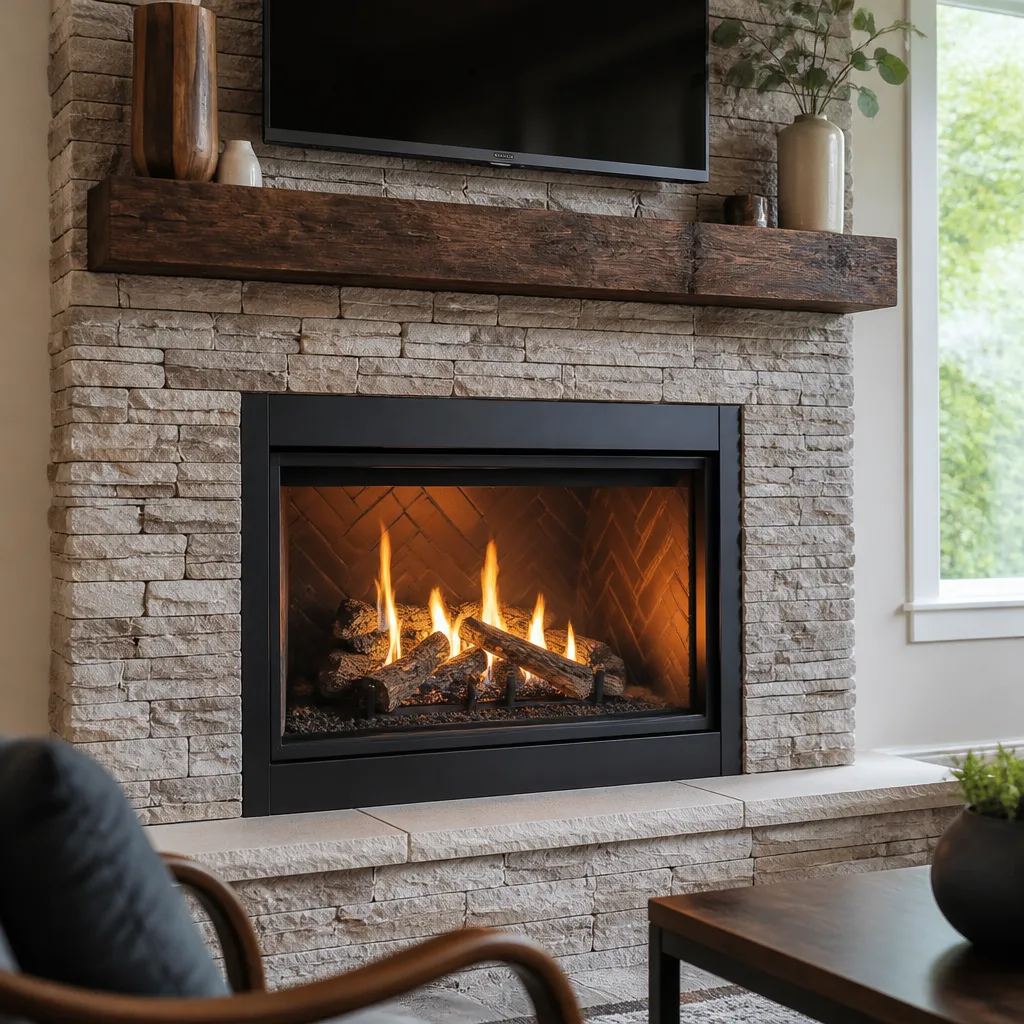 Gas fireplace service
Level 1 sweep and inspection to the NFPA 211 annual standard - flue, crown, cap, and flashing checked and photographed
Chimney sweep logs do not sweep chimneys. They loosen some creosote - which then falls where a brush and vacuum still have to collect it.
DIY vs Professional Chimney Cleaning: The Port St. Lucie Homeowner’s Decision Guide
You can rent a chimney brush and a set of rods for around $40 at a hardware store, watch a few videos, and spend an afternoon on the roof. Plenty of homeowners do. But the brush is the easy part. The hard part is knowing whether the flue you just cleaned was worth cleaning, whether the liner behind it is still intact, or whether the smoke chamber above the damper has been quietly failing for years. In Port St. Lucie, where mild winters mean chimneys run less often but sit idle longer, that gap between what you can clean and what you can assess is wider than most tutorials admit. This guide explains what a brush kit can genuinely accomplish, what it can’t, and how to use both DIY and professional care in the right proportions.
Quick Answer
DIY chimney cleaning is reasonable for light soot removal from a straight, accessible flue when you already know the chimney is sound and you’re keeping up with routine maintenance between professional sweeps. Professional cleaning is the right choice whenever you don’t know the condition of the liner, the smoke chamber, or the draft, because those are the parts that need inspection, and inspection is the half of chimney care that a brush can’t deliver. In most Port St. Lucie homes, the practical split is a professional sweep and inspection as the anchor, with light homeowner maintenance in between.
Styles & brands we work with
- Sweep & inspection
- Caps & crowns
- Flue relining
- Masonry repair
- Gas fireplace service
Table of Contents
- What a Homeowner Can Realistically Accomplish With a Brush Kit
- What Can’t Be Evaluated Without Professional Tools
- The Florida-Specific Risks of DIY Cleaning
- Creosote: Why “Clean Enough” Isn’t a Measurement
- The Liability Math: Insurance After a Chimney Fire
- How to Use DIY Maintenance Between Professional Cleanings
- Questions to Ask Before You Choose Either Path
What a Homeowner Can Realistically Accomplish With a Brush Kit
A brush and rod kit does one job well: it removes loose soot and light creosote from a flue that is straight, accessible from the top or bottom, and already in sound condition. If your masonry chimney has a direct vertical run, no offsets, and a cap you can safely remove, a homeowner can usually reach the flue walls and knock down the soft, fluffy stage-one soot without much trouble. That’s real work, and for a lightly used fireplace it genuinely matters.
The conditions where DIY light soot removal is enough look like this:
- You burn dry, seasoned wood and don’t smolder fires for hours at a time.
- The fireplace or insert is used a handful of times per season, not as primary heat.
- Your last professional inspection was recent and came back clean, with a documented liner of known condition.
- The flue is a straight vertical run you can see from top to bottom with a light.
- There’s no visible glazing, tar-like coating, or crumbling material on the flue walls.
If any of those conditions is missing, brush work doesn’t fix the underlying issue, it just makes it harder to see. We’ve pulled brushes out of flues where the homeowner did everything right on the roof and still missed a cracked tile at the smoke shelf because the flue looked clean from above. That’s the boundary. A brush reaches what you can see. A professional camera reaches what you can’t.
The other constraint people underestimate is roof safety itself. Many Port St. Lucie homes have low-slope or hip roofs that look simple from the ground but turn into a genuine hazard once you’re carrying a brush and working backward toward the cap. If the roof gives you any pause, that alone settles the DIY question. A licensed chimney sweep arrives with the right footing, the right brush size, and the right amount of time, and nobody has to climb a ladder they don’t trust.
What Can’t Be Evaluated Without Professional Tools
This is the crux of the DIY-versus-pro question, and it’s where most online tutorials go quiet. Cleaning a chimney and inspecting one are two different trades. The brush removes deposits. The inspection answers whether the chimney is safe to use. Only one of those can be done from a ladder with a rental kit.
Here’s what a homeowner brush kit cannot evaluate, no matter how carefully it’s used:
- Liner integrity. Masonry flue tiles can spall, crack, or shift out of alignment behind a wall of soot. A camera and a trained eye catch this. A brush doesn’t.
- Smoke chamber condition. The smoke chamber above the damper is the most overlooked part of the chimney and the most common source of slow, hidden deterioration. It’s also the place where combustion gases can escape into the chase if it fails.
- Draft performance. Draft is measured, not guessed. A chimney that pulls poorly can push carbon monoxide back into living space, and the only reliable way to know is a draft test.
- Hidden moisture damage. Staining on the exterior that looks like a cosmetic drip can be the surface symptom of a failed crown, a compromised flashing detail, or water tracking behind a cap. Reading that evidence correctly is inspection work.
- Clearances and structural issues. A professional inspects whether the chimney is properly separated from combustible framing and whether the structure is moving. Neither shows up from the roof.
HeatShield-qualified resurfacing and DuraFlex liner installation exist because the problems above are real and fixable, but only after they’re found. A brush doesn’t find them. That’s why we inspect before we sweep, and repair what we find, rather than treating the sweep as the finish line.
The Florida-Specific Risks of DIY Cleaning
The Florida climate changes the calculation in ways that surprise people moving from colder states. Winters here are mild, which means a fireplace in Port St. Lucie often runs a few dozen times per season and then sits untouched for eight or nine months. That idle stretch is when the problems a brush can’t see get worse, because moisture finds the cracks that combustion heat exposed and works on them quietly.
Two Port St. Lucie-specific risks stand out:
- Wildlife in the flue. Florida’s animal populations are active and willing to take up residence in an uncapped or partially capped chimney. Bats and nesting birds are both protected under state and federal law, and disturbing them carries real legal exposure. A licensed sweep knows the rules and can handle the situation without creating a problem you have to explain to a wildlife officer.
- Moisture damage disguised as staining. In a humid climate, exterior staining that looks like normal weathering is often the first visible sign of water intrusion behind a failed cap or crown. Homeowners who see the stain and reach for a brush rather than a camera tend to find out about the real damage months later, usually when the fireplace backs up or the ceiling shows a water mark.
The long, humid off-season also means a chimney that’s never professionally inspected misses the one chance per year to catch these issues early. A Port St. Lucie homeowner who only sweeps with a rented brush is essentially relying on exterior appearance to judge interior condition. That’s a lot less reliable than it sounds. We tell clients plainly: the sweep is the starting point. The inspection is where the truth is.
Creosote: Why “Clean Enough” Isn’t a Measurement
Creosote forms in three distinct stages, and only one of them is something a homeowner can confidently identify without training.
- Stage one: soft, flaky soot that brushes off easily. This is what you see when you clean a lightly used fireplace.
- Stage two: a crusty, flaky, or glazed coating that looks solid and doesn’t brush off cleanly. It’s already a fire risk, and it’s already beyond a rental kit.
- Stage three: a hardened, tar-like glaze that looks almost like black glass. It’s the most dangerous stage, the hardest to remove, and the most common reason a chimney fire starts.
Here’s the uncomfortable truth: from the roof, stage one and stage two look almost identical. A homeowner who has just swept a chip of stage two out of the flue has no reliable way to tell whether the rest of the flue is stage one or stage three. That’s why “I cleaned it last year and it looked fine” is not a safety claim. It’s a visual observation, and the fire doesn’t care how it looked.
The way to think about this is like a physical exam versus reading your own pulse. You can take your pulse. You can’t hear a heart murmur. A chimney repair assessment is what turns an observation into a diagnosis, and it’s the part that keeps your family safe.
The Liability Math: Insurance After a Chimney Fire
Most homeowners assume their insurance will pay if there’s a chimney fire, and it usually will, up to the point where the insurance company asks a specific question: was the chimney inspected and cleaned by a professional?
That question matters more than people realize. If a fire happens and no professional inspection is on record, the claim can be delayed, disputed, or reduced on the basis that the homeowner failed to maintain a known fire risk. If there’s a documented professional sweep and inspection, the claim usually proceeds cleanly, because the homeowner can show they exercised reasonable care. The documentation is worth as much as the cleaning.
It’s worth saying plainly: insurance claim decisions are made by insurance companies, not by us, and we can’t promise a specific outcome. What we can say is that having a professional inspection on record is the kind of evidence insurers ask for, and that a homeowner relying on DIY is relying on their own memory as their only documentation. If your insurer ever asks for proof of maintenance, the annual sweep report is a short document that answers the question immediately. Coming back from a claim without one is a much longer conversation.
How to Use DIY Maintenance Between Professional Cleanings
DIY isn’t the villain here. It just has a specific job, and the trick is not assigning it a bigger one than it can handle. Here’s how the split actually works in a well-maintained Port St. Lucie home:
- Book a professional sweep and inspection once a year, or after any season of heavy use. That’s the anchor. It’s where the liner, smoke chamber, draft, and moisture picture all get documented.
- Keep the firebox and ash pit tidy between visits. Emptying ash and keeping a clean firebox reduces the pace of creosote buildup and makes the next inspection easier to read.
- Check the cap and visible exterior after storms. Loose caps and displaced flashing are easy to spot from the ground and worth a phone call if they look off.
- Burn dry, seasoned wood and don’t smolder fires overnight. This is the single biggest lever a homeowner has over creosote stage.
- Do the light brush work yourself only if a professional has recently confirmed the flue is straight, sound, and in good condition. Otherwise, leave it to the pro and let the inspection be the deciding vote.
This is how DIY maintenance becomes an asset instead of a substitute. The homeowner handles what’s visible and low-risk. The professional handles what’s structural and diagnostic. The result is a chimney that stays safe across the long humid off-season, with a clean paper trail if anyone ever needs it.
Questions to Ask Before You Choose Either Path
If you’re weighing both options, the right first question is not “can I do this myself?” It’s “do I already know the condition of my chimney?” That question sorts the DIY decision quickly.
- When was the last professional inspection, and do I have the report?
- Do I know the liner material and its condition?
- Has the smoke chamber ever been examined?
- Does the fireplace draft well, or has it ever smoked into the room?
- Is there any staining, spalling, or visible movement on the exterior?
- Is the cap fully intact with no gap that wildlife could enter?
If you can answer every one of those with confidence, DIY light soot removal makes sense. If any answer is “I don’t know,” the professional sweep is the right move, and probably overdue. We work with spec-grade brands across the chimney’s full lifecycle, so a professional visit doesn’t stop at the sweep. It ends with a clear answer about what your chimney needs next.
Common Mistakes to Avoid
- Treating a clean-looking flue as a safe flue. Stage-two creosote looks like soot from the roof. Only an inspection with a camera and a trained eye can tell you what you’re actually looking at.
- Brushing a chimney you’ve never had inspected. You could easily dislodge a loose tile or a bat roost without realizing it. Neither is something to discover after the fact.
- Ignoring a stain on the chimney exterior. In Port St. Lucie’s humidity, exterior staining is often the first sign of a failed cap or flashing. Brush it off and you’ll miss the water damage behind it.
- Relying on a rental kit as your only annual maintenance. A brush cleans the flue. It doesn’t document anything, and insurers notice.
- Cleaning without checking the cap first. Disturbing wildlife in a flue carries legal exposure in Florida, and it’s easy to walk into without looking.
- Using the fireplace as primary heat without inspection. A wood stove or insert doing real work accelerates creosote formation. If it’s running all winter, it needs a professional sweep every year.
- Assuming a nearby hardware brush is “the same thing.” Brush sizing, flue geometry, and liner material matter. A generic brush in the wrong flue can do damage it takes a pro to find.
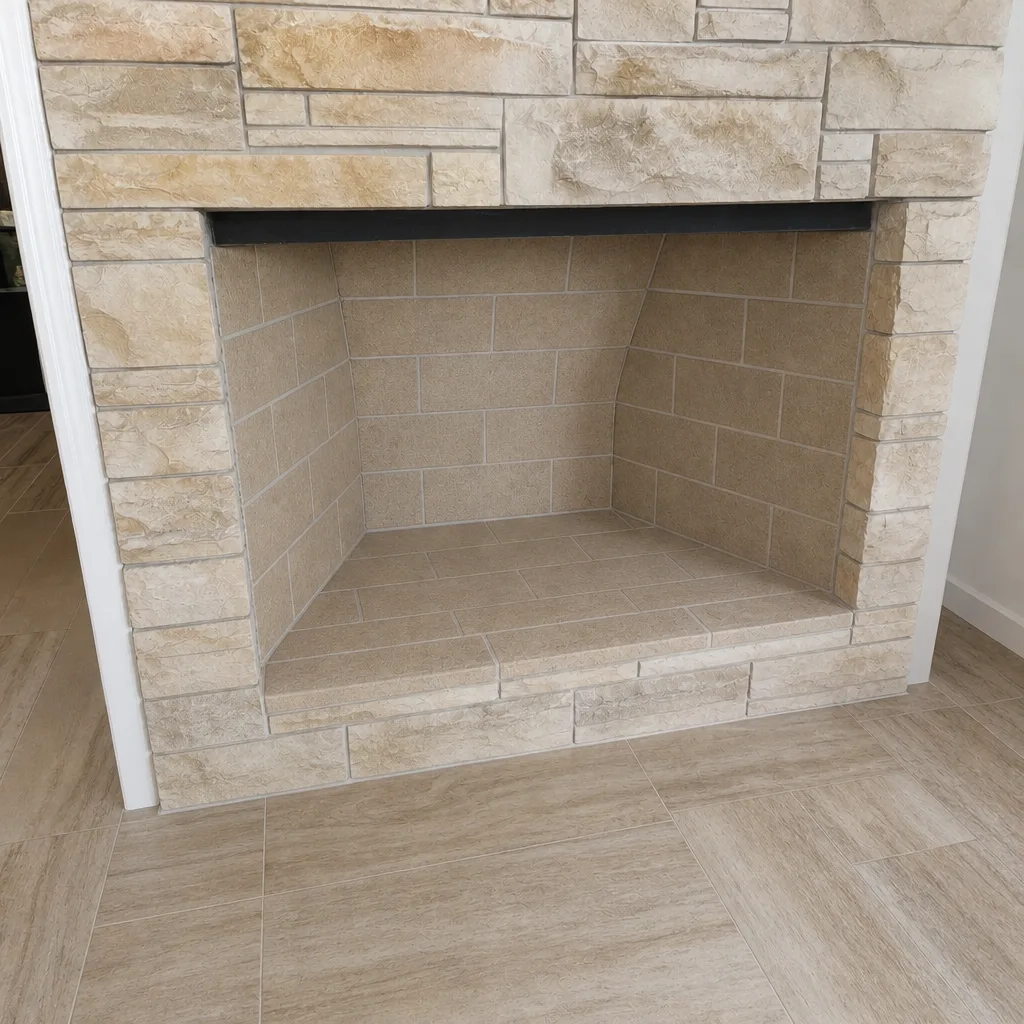
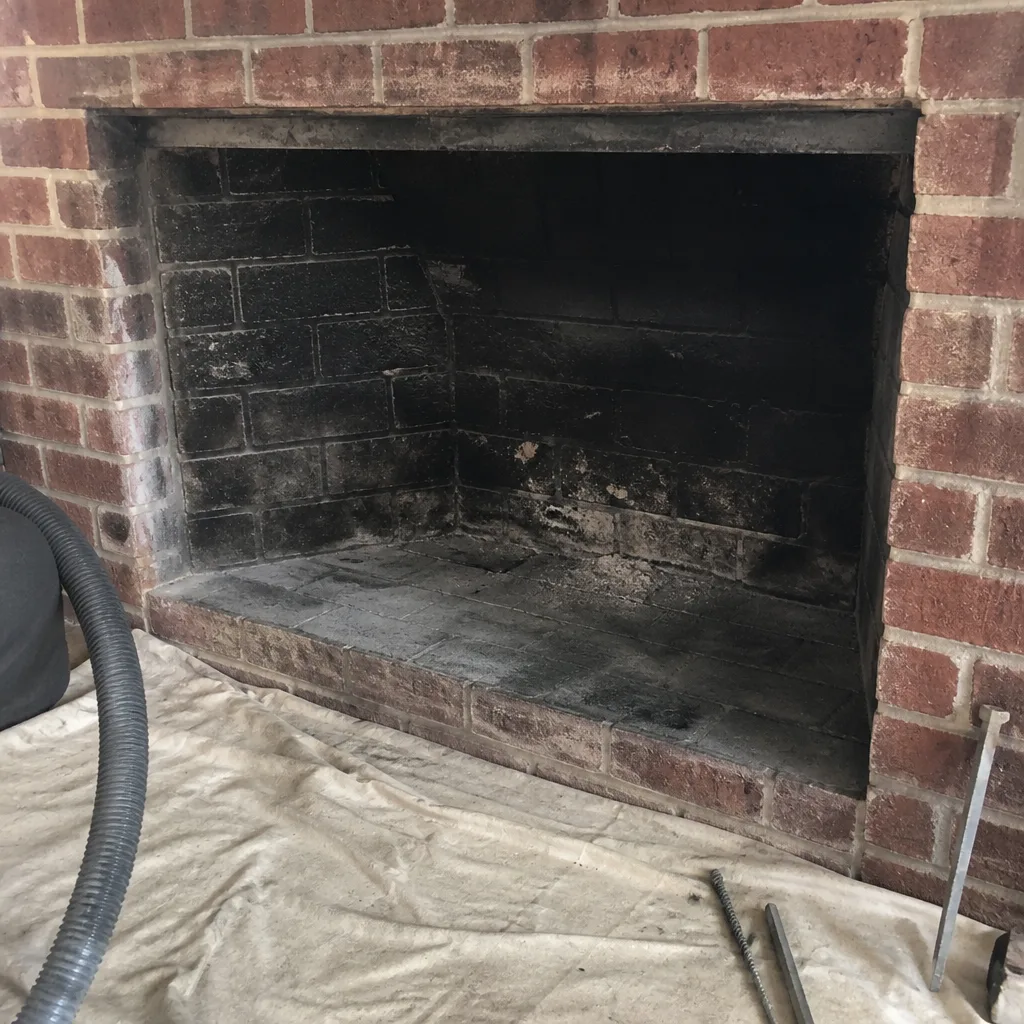
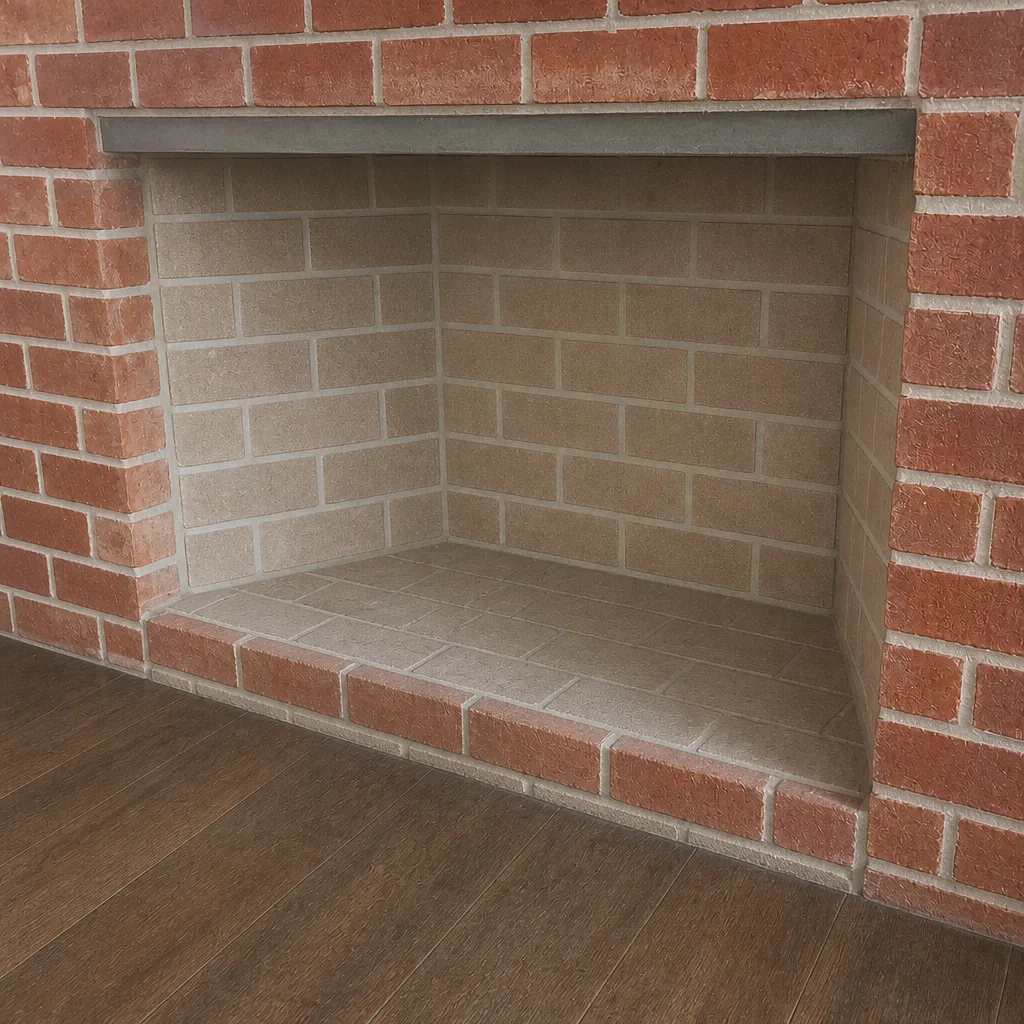
See the difference
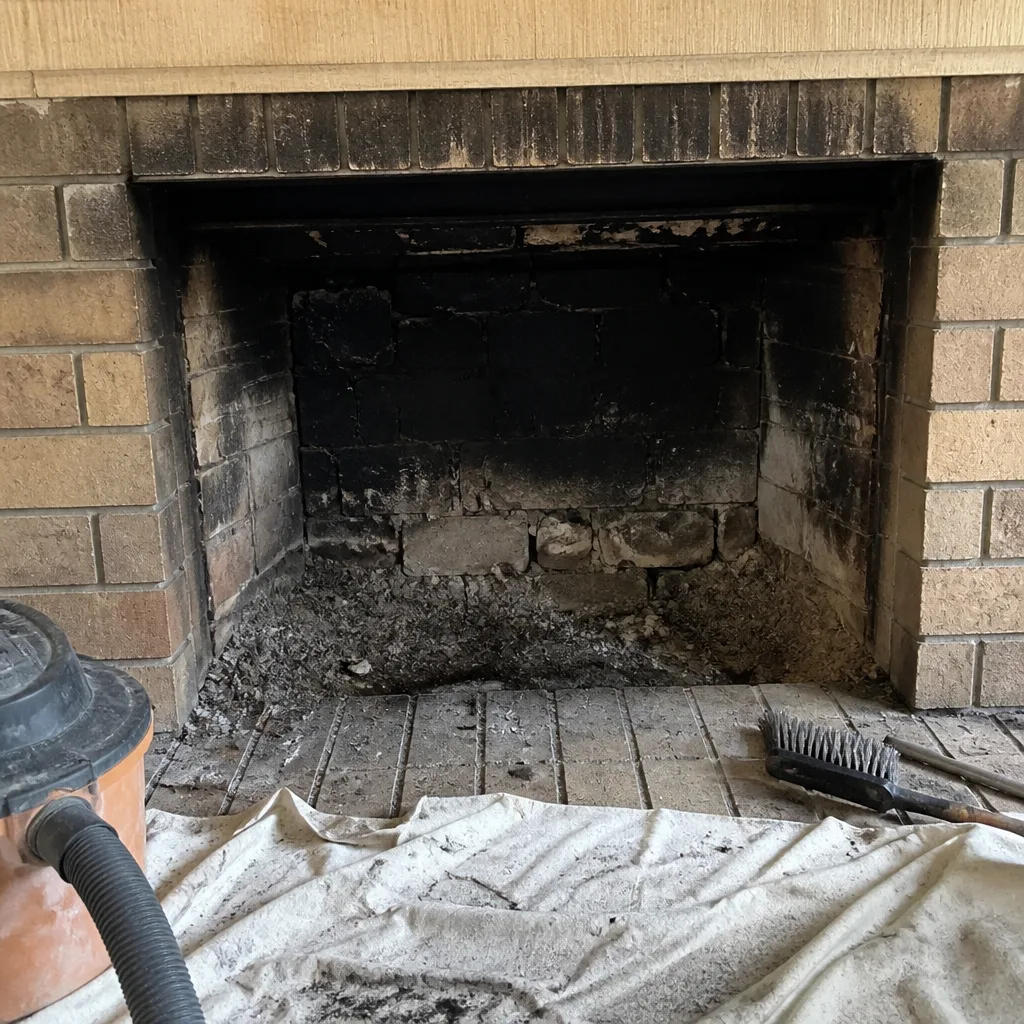 Before
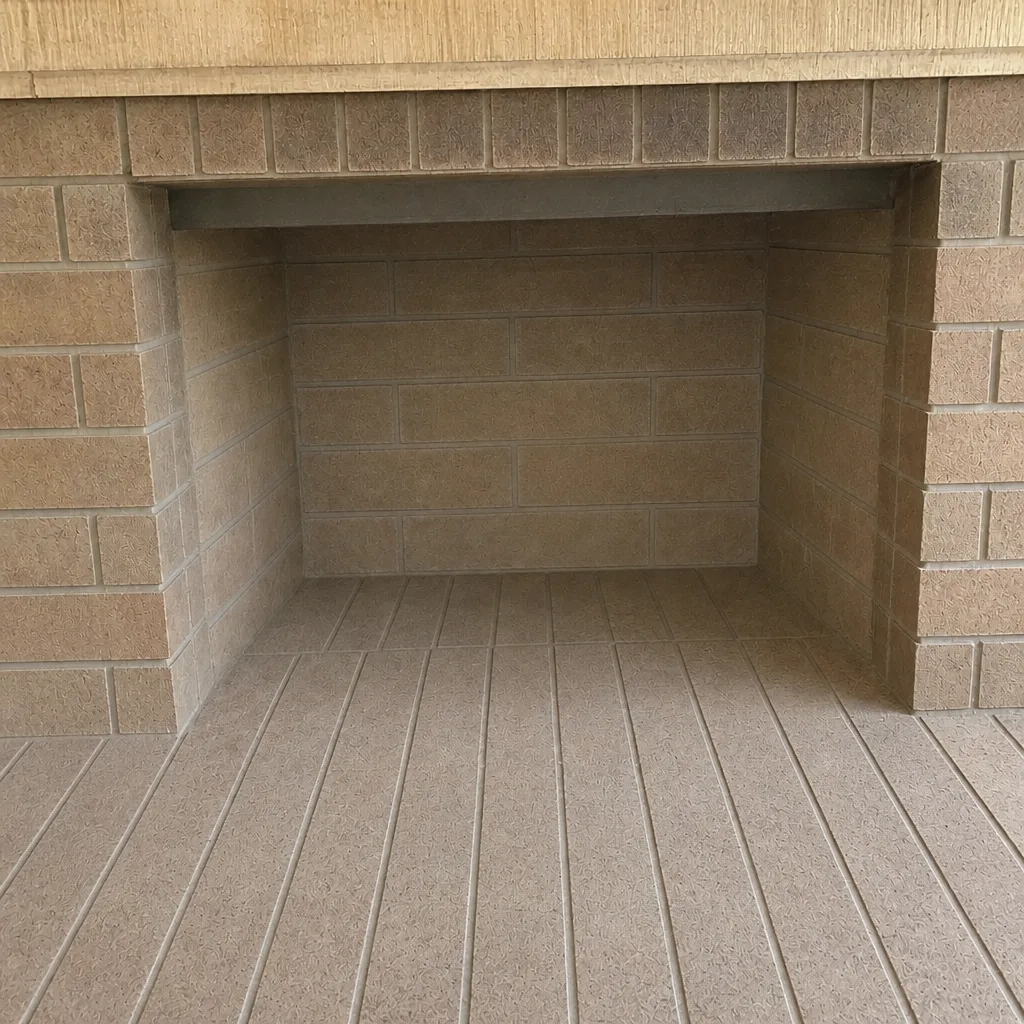 After
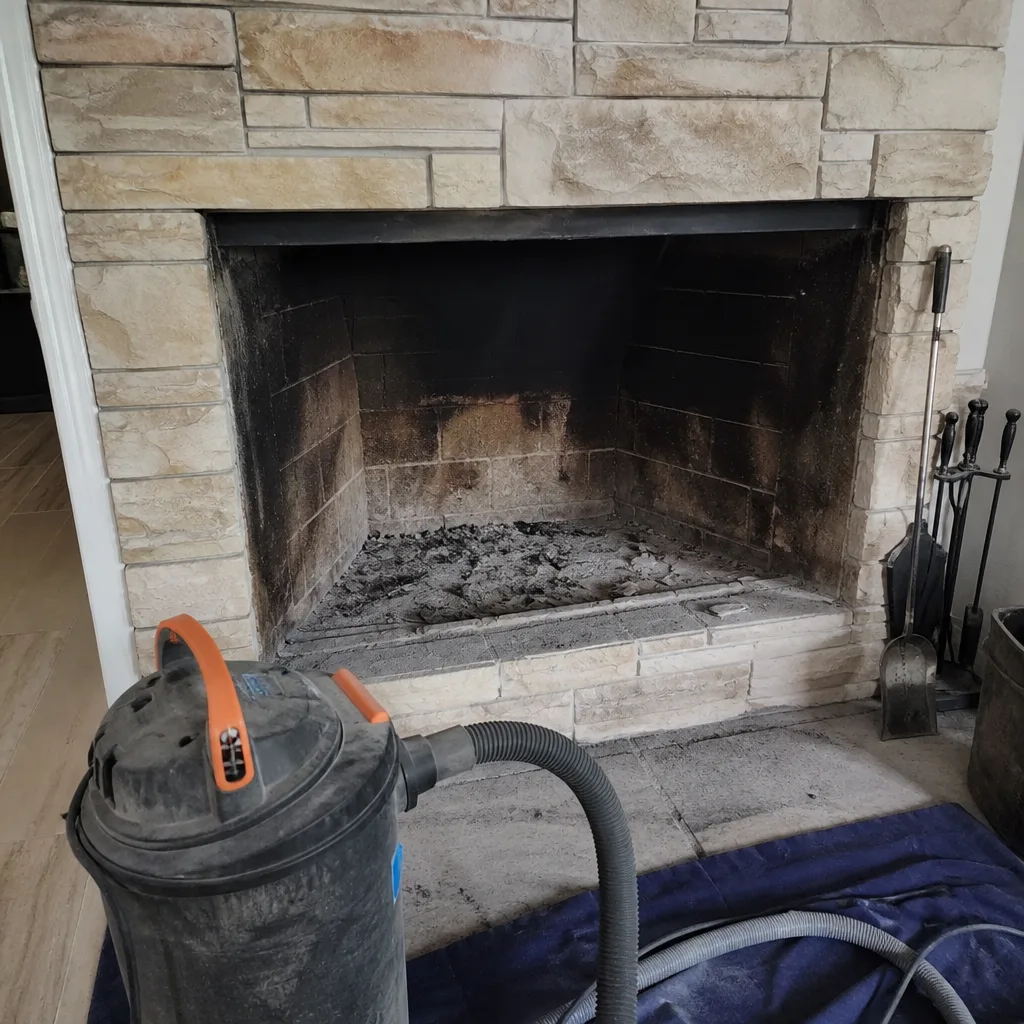 Before
 After
 Before
 After
When to Call a Professional
Call a professional the moment you don’t know the condition of your liner, the moment you smell smoke in the house with the damper open, the moment you see any staining or spalling on the chimney exterior, or the moment you’ve moved into a Port St. Lucie home and can’t find an inspection report. Call before the first fire of the season rather than after, and call if the fireplace has ever backed up into the room. Unity Chimney Sweep offers free estimates in Port St. Lucie – call (844) 990-3838. We answer 24/7. Fast dispatch from 7am to 7pm, Sunday through Friday.
Frequently Asked Questions
A performance chimney sweep in Port St. Lucie typically runs in the low-to-mid hundreds, and inspection is often bundled or priced separately depending on the level of inspection your chimney needs. Pricing depends on flue access, liner material, and what the inspection finds. Call (844) 990-3838 for an exact quote – estimates are free. The written estimate sets the final price, and we tell you what your chimney actually needs rather than what adds to the invoice.
You can clean the accessible, straight part of a sound flue yourself if you already know it’s in good condition. What you can’t do is inspect it. The liner, smoke chamber, draft, and moisture picture all require tools and training a rental kit doesn’t cover. If you’re unsure about any of those, call us first and then decide.
Yes, and inspection is the point. DIY keeps the flue tidy between seasons. Inspection tells you whether the chimney is safe to use right now. The two aren’t substitutes. If you’re cleaning your own flue, an annual professional inspection is still the thing that catches what the brush can’t see. Call (844) 990-3838 to schedule one.
It can be delayed, disputed, or reduced, because some insurers want proof of professional maintenance on record after a chimney fire. Whether that happens depends on your policy and the claim, and we can’t predict the outcome. What we can say is that a documented professional sweep and inspection is the strongest evidence a homeowner can have. Call (844) 990-3838 to get that documentation in place.
It’s safe for light soot removal from a flue that’s already been professionally inspected, with the important caveat that Florida’s long humid off-season is when hidden moisture damage progresses. Two specific risks in Port St. Lucie: wildlife in an uncapped flue (bats and nesting birds are protected, and disturbing them carries legal exposure), and exterior staining that looks cosmetic but signals water intrusion. Neither is something a brush can detect. Call (844) 990-3838 if you see either.
Once a year if the fireplace is in regular use, and more often if it’s used as primary heat or the wood isn’t well seasoned. The right rhythm is a professional sweep and inspection at the anchor of each season, with light DIY maintenance between visits. That split keeps the flue tidy without giving up the inspection that keeps your family safe. Call (844) 990-3838 to book the next sweep.
The Bottom Line
DIY chimney cleaning is a reasonable tool for light soot removal from a flue you already know is sound. It is not a substitute for inspection, and inspection is where the real value sits: the liner, the smoke chamber, the draft, and the moisture picture. In Port St. Lucie’s climate, the gap between what you can clean and what you can safely assess is wide enough that the smart move is a professional sweep and inspection as the anchor of each season, with light homeowner maintenance in between. That’s what keeps your chimney safe and your documentation in order if you ever need it. One company, every part of the chimney – we inspect before we sweep, and repair what we find. Explore Unity Chimney Sweep to see how the full-service approach works. Written by the team at Unity Chimney Sweep.
If you’re ready to put a professional inspection on record this season, call (844) 990-3838 for a free estimate. We answer 24/7. Fast dispatch from 7am to 7pm, Sunday through Friday.
Written by the team at Unity Chimney Sweep.