
Last updated November 16, 2026
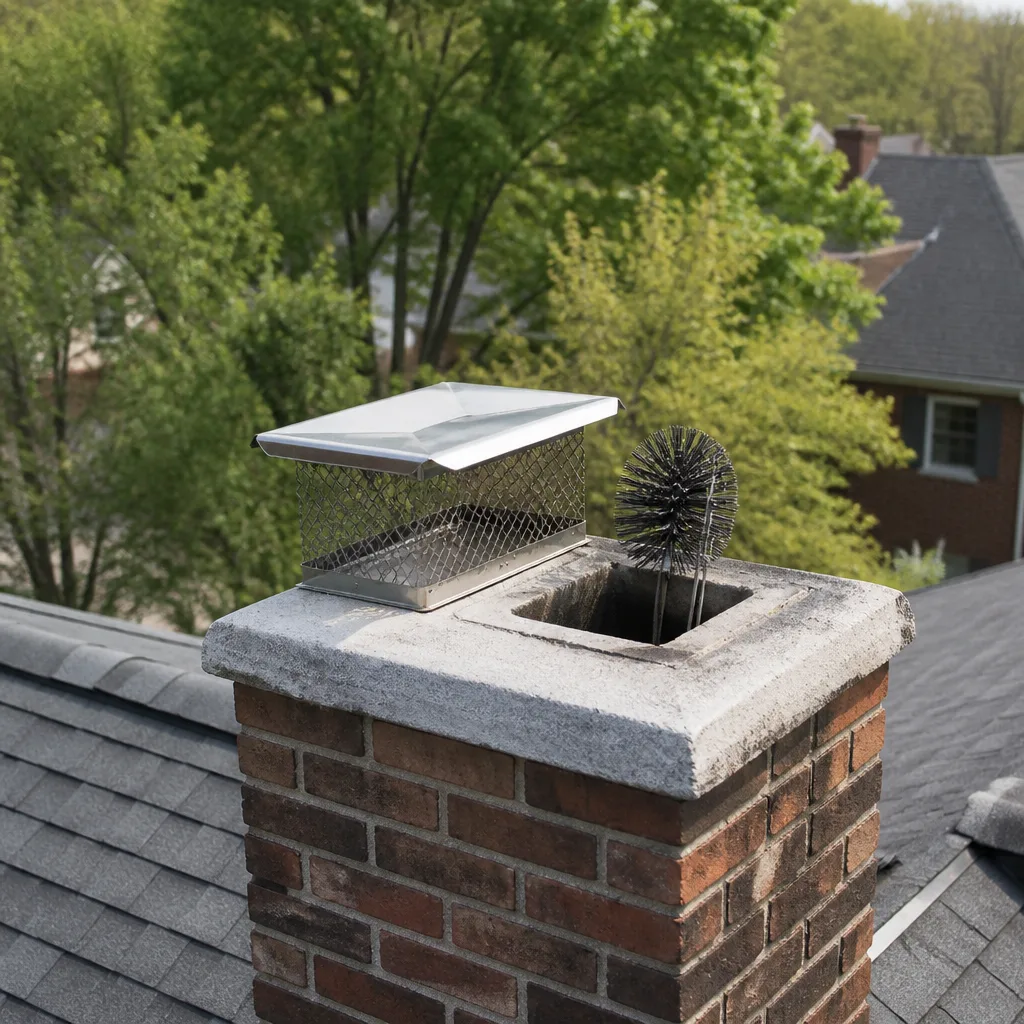 Sweep & inspection
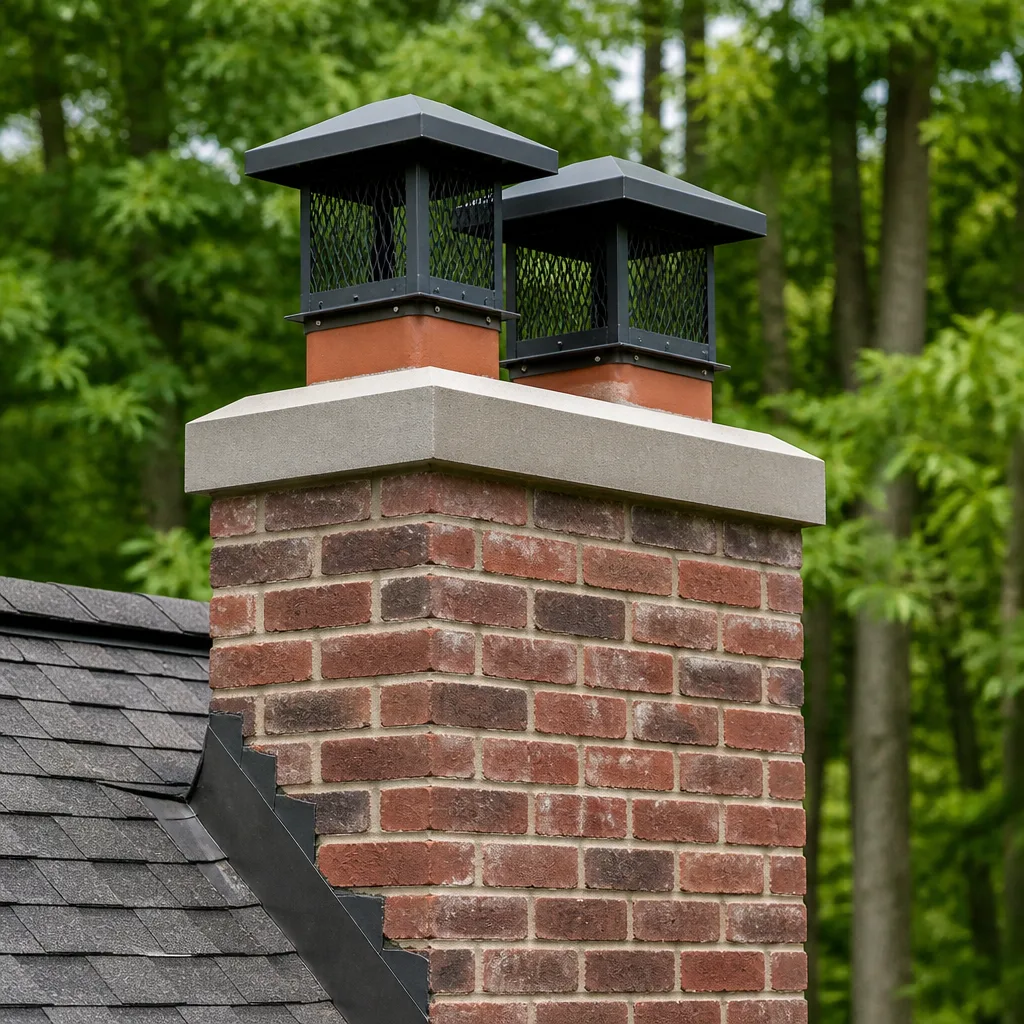 Caps & crowns
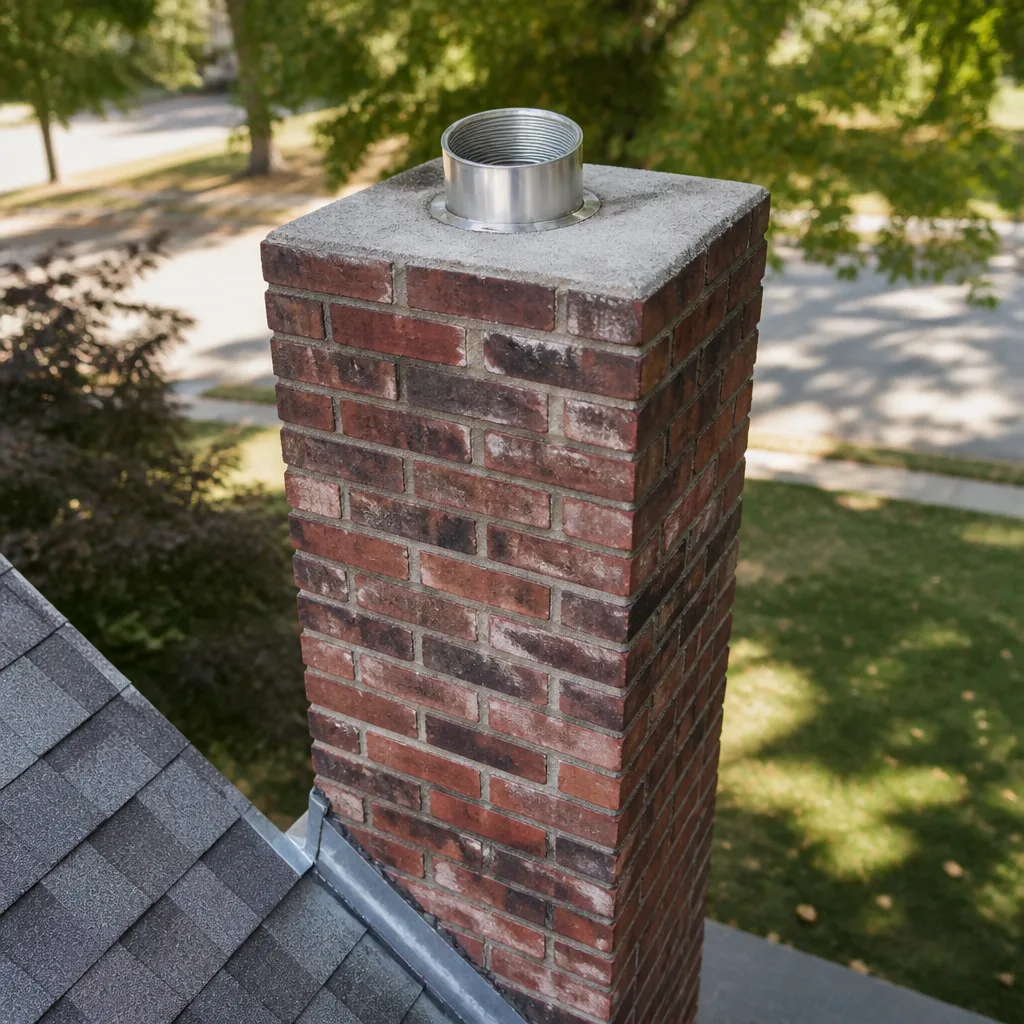 Flue relining
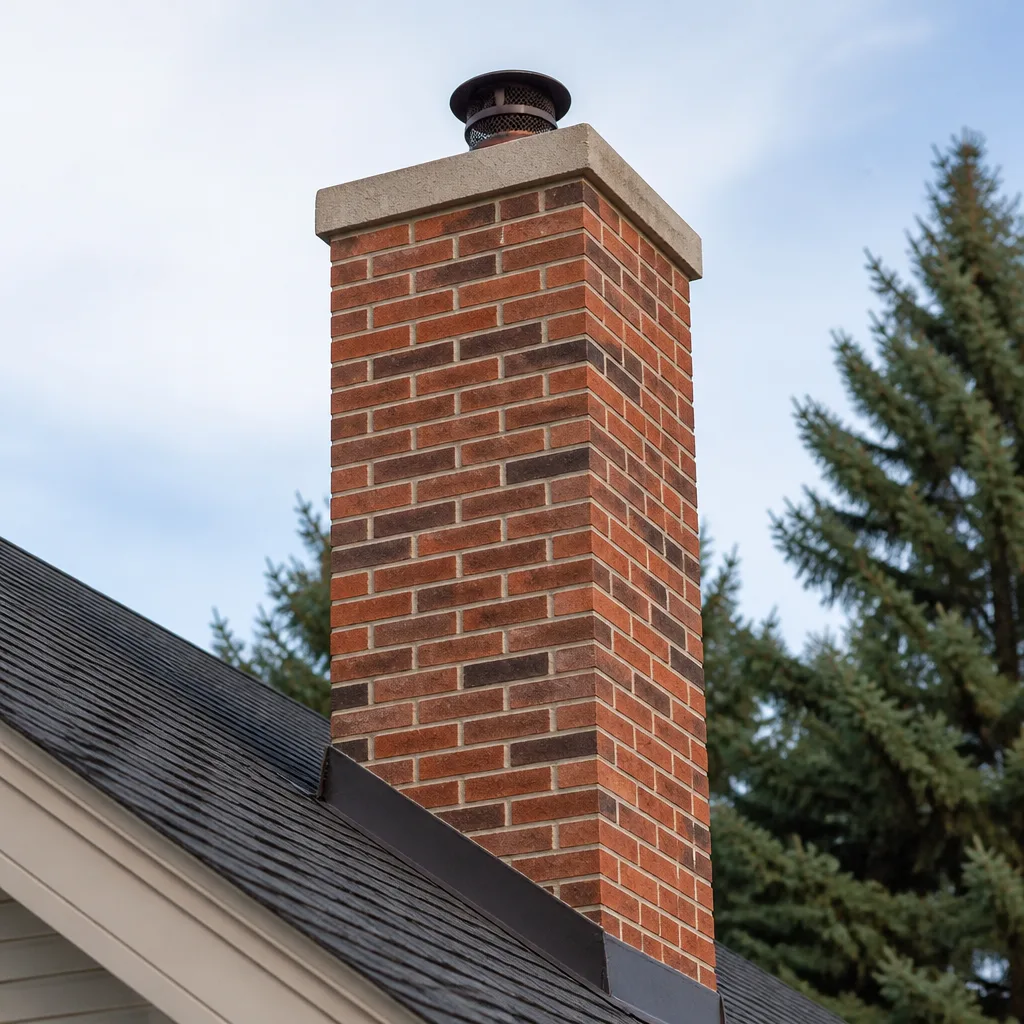 Masonry repair
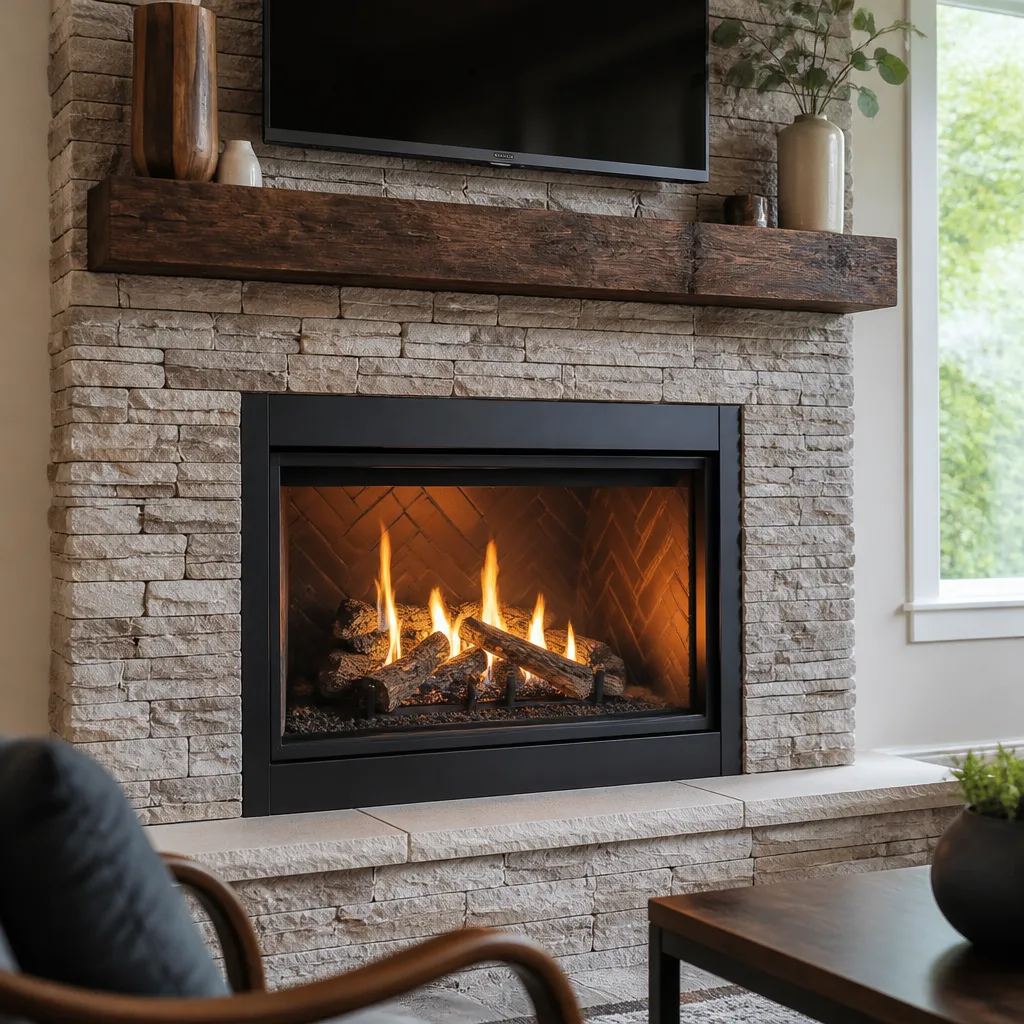 Gas fireplace service
Level 1 sweep and inspection to the NFPA 211 annual standard - flue, crown, cap, and flashing checked and photographed
Chimney sweep logs do not sweep chimneys. They loosen some creosote - which then falls where a brush and vacuum still have to collect it.
Chimney Cleaning Warning Signs: A Port St. Lucie Homeowner’s Reference Guide
Most homeowners assume a chimney that isn’t smoking into the room is a chimney that’s working. That assumption causes more damage than any fire. Chimneys rarely fail without warning. They smell, they stain, they rust, they puff, they flake – and every one of those signals points to a specific problem you can catch early. The trouble is that homeowners don’t know what they’re looking at, so they wait. This guide walks through the warning signs we’ve learned to read from years of inspecting chimneys across Port St. Lucie, what each one means, and when it’s time to stop burning and book an inspection.
Quick Answer
The clearest chimney warning signs are persistent smoky odors when no fire is burning, dark staining or white powdery deposits on exterior brick, rust on the cap or chase cover, smoke rolling back into the room, and visible creosote buildup inside the firebox or flue. Any of these means the chimney is telling you something needs attention before the next burn season. Odor-only signs usually warrant an inspection within a few weeks; smoke rollout, cracked masonry, or a strong chemical smell calls for stopping use immediately.
Styles & brands we work with
- Sweep & inspection
- Caps & crowns
- Flue relining
- Masonry repair
- Gas fireplace service
Table of Contents
- What Your Chimney’s Smell Is Telling You
- Exterior Warning Signs on Port St. Lucie Homes
- Interior Warning Signs: Draft, Smoke, and Discoloration
- Why Some Symptoms Appear Only During or After Rain
- Same-Week Inspection vs. Stop Using It Immediately
- Creosote: The Warning Sign You Can’t Always See
- Common Mistakes to Avoid
- When to Call a Professional
- Frequently Asked Questions
What Your Chimney’s Smell Is Telling You
A smoky odor drifting into your living room on a humid August afternoon – with no fire burning – is one of the clearest signs your chimney needs attention. Most homeowners assume it’s normal. It isn’t. The chimney is pulling air backward, pushing stale flue gases and residue into your home instead of up and out. The specific smell narrows down the cause, and each one has a distinct profile.
The Three Smell Categories
- Creosote smell: A sharp, tar-like, or campfire-residue odor, strongest on hot humid days and damp weather. Creosote is a byproduct of wood smoke that condenses on the flue walls. When the humidity climbs in Port St. Lucie, that residue softens and off-gasses, and the smell finds its way down. This is the most common chimney odor we encounter, and it usually means buildup has reached a level where a sweep is due.
- Moisture smell: A musty, earthy, or damp-basement odor. This means water is getting into the chimney structure, usually through a failed cap, cracked crown, or deteriorated flashing. Brick that stays wet breaks down over time, and moisture in a flue can accelerate corrosion of the liner or damper assembly.
- Animal nesting smell: A pungent, ammonia-tinged, or distinctly animal odor, often accompanied by scratching or chirping sounds. Birds, squirrels, and other small animals find uncapped chimneys attractive, especially in warm climates where the flue offers shelter. A nest blocks the flue and reduces draft, and the debris creates a fire risk if a fire is lit before it’s cleared.
If you can’t tell which smell you’re dealing with, that’s normal. A technician can identify the source within minutes of opening the firebox and looking up the flue, and the fix is very different for creosote buildup than for a nesting animal or a moisture leak.
Exterior Warning Signs on Port St. Lucie Homes
The outside of your chimney takes the brunt of the local weather, and it shows damage long before the inside does. In a subtropical climate with heavy summer rains and high humidity, exterior signs follow a predictable pattern. Walking around your home once a season and looking at the chimney from the ground gives you information a sweep will confirm from the roof.
What to Look For on the Brick and Cap
- Efflorescence: White, chalky, powdery staining on the brick face. This is salt carried out of the masonry as moisture migrates through it and evaporates on the surface. It’s not harmful on its own, but it’s a strong indicator that water is finding a pathway into the chimney.
- Spalling: Brick faces that flake, peel, or fall off in sheets, leaving a rough, pitted surface. Florida doesn’t see the freeze-thaw cycle that drives spalling in cold climates. Here, moisture absorbed by the brick and driven by the sun’s heat causes the same outward pressure, and the surface breaks away. Left alone, spalling progresses to structural cracks.
- Rusted or missing caps and chase covers: The metal cap that tops the flue and the chase cover over a prefabricated chimney both take a beating from rain and sun. Rust holes, sagging edges, and missing spark screens all let water and animals in. A worn cap is one of the most common exterior issues we see on Port St. Lucie chimneys.
- Cracked crown: The sloped concrete or mortar surface on top of a masonry chimney. Cracks let rainwater run straight down into the flue structure. This is where moisture smells and interior staining usually originate.
- Deteriorated flashing: The metal or membrane seal where the chimney meets the roof. Failed flashing leaks water into the attic and ceiling, and it’s often misdiagnosed as a roof problem before anyone thinks to look at the chimney.
Any of these exterior signs is a reason to book an inspection, though most are not emergencies. The exception is a chimney that leans, has visible diagonal cracking through the brickwork, or has a crown that’s crumbling badly – those need attention sooner.
Interior Warning Signs: Draft, Smoke, and Discoloration
Interior warning signs are the ones you experience directly, and they tell us the most about flue condition. Smoke that rolls out of the firebox opening instead of going up the chimney, a fire that struggles to stay lit, or a draft that feels weak – these are all signals that the flue isn’t doing its job. Here’s what each one usually means.
Smoke Rollout
Smoke that puffs into the room when you light a fire or when you open the firebox door points to a draft or blockage problem. A partial flue obstruction (creosote, a nest, collapsed liner debris), a flue that’s too short for the chimney, a negative-pressure situation in the house, or a closed damper are the usual causes. Smoke rollout is a fire and carbon monoxide concern, and it shouldn’t be treated as a “sometimes it does that” quirk.
Weak or Inconsistent Draft
A fire that’s hard to light, burns lazily, and smolders more than it should often means the flue is restricted or the chimney’s effective height has changed. In a modern, tightly sealed house, ordinary exhaust fans can also pull more air out than the chimney can replace. A technician can measure draft and find the cause.
Discoloration Around the Firebox Opening
- Black soot streaking above the firebox: Smoke escaping along the top of the opening during burns. Often a sign of a warped damper or an oversized firebox relative to the flue.
- White or grey staining on the fireplace face: Moisture migrating out of the masonry from a leak higher up in the chimney. This is the interior counterpart to efflorescence on the outside brick.
- Brown or rust-colored streaking: Residue from moisture and metal contact inside the firebox or from a failing flue component above.
Each of these interior signs is a reason to book an inspection before the next fire. If you see a piece of your flue liner come down into the firebox or detect an unusual chemical smell, stop burning and call.
Why Some Symptoms Appear Only During or After Rain
If a symptom only shows up when it rains, that narrows the cause dramatically. Water finding a way into the chimney is almost always the culprit, and it’s a different problem than creosote buildup or draft failure. When a homeowner tells us their smoky smell only appears during the rainy season or that the fireplace smells worse after a storm, water intrusion is the first thing we check.
Common Rain-Triggered Symptoms and What They Indicate
- Musty, damp smell after rain: Water is entering the chimney and soaking into the masonry, firebox brick, or flue liner. Look for a cracked crown, a rusted cap, or failing flashing.
- Dripping or wet spots inside the firebox: Rain is coming straight down the flue. A missing or damaged rain cap is the usual cause.
- Dark streaks appearing on the firebox walls after a storm: Water is traveling through cracks in the chimney structure and finding its way down the inside of the firebox brick.
- Staining on the ceiling or walls around the chimney after heavy rain: Flashing failure at the roofline. This is often mistaken for a roof leak.
- Smoke that behaves worse after a stretch of rain: Wet masonry cools the flue faster, which weakens draft. If the fire was already borderline, wet brick pushes it over the edge.
That last point matters for Port St. Lucie. Summer afternoons bring heavy downpours, and masonry that’s been soaked cools more aggressively than dry brick. A chimney that worked fine in spring can become stubborn in July. If your fire behavior shifts seasonally, moisture is a likely factor and worth an inspection.
Sourcing a proper chimney rain cap and chase cover with the right fit matters, which is why we work with brands like Gelco and Copperfield. A generic substitute from a hardware store can leave gaps that defeat the purpose. When we replace a cap, we want it sized and installed to keep water out for the long haul.
Same-Week Inspection vs. Stop Using It Immediately
Every warning sign has a return-to-service answer: some signs mean call this week, others mean stop burning right now. The split matters because using a chimney in the wrong condition can turn a repair into a safety incident. Here’s the breakdown we give homeowners during a phone call.
Signs That Warrant a Same-Week Inspection
- Persistent smoke odor in the house when no fire is burning
- Visible soot streaking above the firebox opening
- Efflorescence, light spalling, or minor rust on the cap
- A fire that’s harder to light than it used to be, or smolders more than it should
- Seasonal smell that returns every rainy season
- A bird or animal nesting in the chimney during the off season
These signs are concerning but rarely dangerous to live with for a few days. Book an inspection before the next burn. If you’re not planning to use the fireplace for months, the inspection can still be done now so the chimney has time for repairs before you need it.
Signs That Mean Stop Using the Fireplace Immediately
- Smoke rolling into the room when the fire is burning
- Cracked or crumbling firebox masonry, or a piece of the flue liner coming loose
- A strong chemical smell, a metal-on-metal sound, or unusual noise when opening or closing the damper
- Chimney that’s visibly leaning or has diagonal cracking through the brickwork
- Carbon monoxide alarms going off with the fireplace in use
- Fire visible above the top of the chimney or on the roof while the fire is burning
Any of these is a stop-and-call situation. The chimney has moved from “needs attention” to “don’t use until a technician has looked.” If you’re unsure which side of the line a sign sits on, call us. We answer 24/7, and fast dispatch runs 7am to 7pm, Sunday through Friday.
Concrete safety note: chimney fires and carbon monoxide problems are the two risks inside a chimney that don’t announce themselves clearly. Creosote igniting in a flue can sound like a low rumble or roar, and a cracked liner can vent carbon monoxide directly into the home. Neither is a DIY check. Please don’t climb a roof or open a firebox to inspect a suspected defect yourself – these are jobs for a trained technician with the right camera and the right tools.
Creosote: The Warning Sign You Can’t Always See
Creosote is the most consequential build-up in your chimney and the one you can’t reliably see from the living room. It forms in stages – from a loose, sooty fluff early on to a hardened, glazed deposit that looks almost like a glaze of tar on the flue walls. Only that third stage is visible if you shine a light up the flue. The first two stages can look like nothing at all from below while still narrowing the flue enough to affect draft and create a fire hazard.
Fire is the primary concern. Glazed creosote is highly flammable, and it doesn’t take much to ignite. The secondary concern is draft: a flue that’s narrowed by buildup allows smoke to stagnate or roll back. A chimney sweep with a chimney camera gets eyes on the flue in minutes, and the inspection photo report tells you exactly what stage the buildup is at and whether a standard sweep will clear it.
Some deposits are dense enough that standard sweeping won’t remove them. That’s where HeatShield resurfacing comes in. It’s a repair capability, not a cleaning one, aimed at flues whose interior has been damaged or coated with glazed creosote at a level a brush can’t fix. Not every chimney needs it, and it’s not a solution we recommend unless the inspection shows it’s required. That distinction matters – a sweep should clear what a sweep can clear and tell you plainly if a repair is what’s actually needed.
Common Mistakes to Avoid
- Interpreting a smoky smell as a weather quirk. Persistent odor is a symptom, not a season. If a chimney smells when it’s not burning, it’s trying to tell you something – and “it’s just the humidity” is what allows buildup to reach dangerous levels.
- Waiting until the first cold snap to think about the chimney. Demand for inspection spikes when northern transplants want to light their first fire. In Port St. Lucie, the burn season is short but it starts quietly in late fall, and booking early avoids the rush. An inspection in the fall is far easier than a diagnostic in December.
- Skipping exterior checks after a storm. Most moisture damage we see starts as a rusted cap or a cracked crown that sat through a season of rain without anyone looking up. A walk around the house after a big storm takes five minutes.
- Using a “cleaner log” or chemical product to handle creosote. These products may loosen deposits, but they don’t remove them. They’re not a substitute for sweeping and can leave glazed creosote in place.
- Climbing the roof to inspect or sweep the chimney yourself. Height is a genuine hazard, and a fall from a roof is a severe injury. A technician is trained, insured, and has proper equipment. This is one of the few home maintenance jobs that shouldn’t be DIY.
- Trusting a cap or chase cover with the wrong fit. A cap that’s too large or too small defeats the purpose. We install caps and covers from Gelco, Famco, and Olympia Chimney because spec-grade components match the flue correctly and last through Florida sun and rain.
- Assuming a fireplace that “works fine” doesn’t need a sweep. A chimney burning cleanly still deposits creosote. The interval between sweeps depends on how often you burn, not on whether you notice a problem.
When to Call a Professional
Some warning signs belong to a technician’s eye. If you’re seeing smoke roll back into the room, if a piece of liner has come loose, if a strong chemical smell appears when the fireplace is in use, or if you’re not sure what a symptom means, that’s the moment to call. We’d rather look at a chimney that turns out to be fine than have you discover the problem during a fire. Our technicians have up to 11 years of experience reading exactly these signals, and the inspection camera shows you what we see before any work begins.
For the less urgent signs – a persistent smell, a rusted cap, efflorescence on the brick, a draft that’s gotten weaker – a scheduled inspection keeps small problems from becoming structural repairs. Unity Chimney Sweep offers free estimates in Port St. Lucie. Call (844) 990-3838. We answer 24/7. Fast dispatch from 7am to 7pm, Sunday through Friday.
When we’re on site, we work through the whole chimney rather than a single piece. That includes inspection, sweeping, and any repair that follows – resurfacing a damaged flue with HeatShield or installing a DuraFlex liner when the flue calls for it. Having the inspection, sweep, and repair handled by one company means you’re not handed off to a second vendor when a routine sweep finds a repair issue. You can read more about how we handle a routine chimney sweep in the area, or spend a few minutes on our chimney repair page if you’re already past the warning-sign stage.
Frequently Asked Questions
A smoky odor in the house when no fire is burning is the most commonly overlooked sign. Homeowners assume a faint smell of woodsmoke is normal, or that it’s just the humidity. Most of the time it’s creosote buildup softening in warm, humid air, and it means the chimney needs a sweep before the next fire.
No. A chimney that’s working properly won’t push air back into the living space. If you smell smoke with no fire burning, air is moving the wrong direction through the flue. That points to buildup, a blocked flue, or a draft problem, and it’s worth an inspection. Call (844) 990-3838 for a free estimate on an inspection – we answer 24/7.
Most homes that use the fireplace regularly should be swept annually, before the burn season begins. Homes that burn occasionally can go a bit longer between sweeps, and homes that burn heavily may need it more often. The only way to know for certain is an inspection, which measures creosote buildup directly rather than guessing based on how often you light a fire.
You can narrow it down by the smell. Creosote has a sharp, tar-like or campfire odor. Moisture smells musty or damp-basement-like. Animal nesting smells pungent or ammonia-tinged. Matching the smell to a category gets you close, but confirming the actual cause needs an inspection. Creosote that’s glazed onto the flue, for example, is invisible from below but critical to find.
Efflorescence means moisture is traveling through the brick and evaporating on the surface, leaving salt deposits behind. It’s not damaging by itself, but it’s a reliable sign that water is getting into the chimney structure somewhere. The usual causes are a failed crown, a rusted cap, or deteriorated flashing. Fixing the water source is what stops the efflorescence from returning.
Yes. Smoke rolling into the room during a burn, cracked or crumbling firebox masonry, a loose piece of flue liner, a chemical smell, or a fireplace with visible fire above the chimney top all mean stop burning and call immediately. These aren’t “wait and see” signs. Away from the extremes, most warning signs warrant a same-week inspection rather than an emergency visit. Call (844) 990-3838 if you’re not sure which side a sign falls on – estimates are free.
The Bottom Line
Your chimney has been telling you something all along. The smoky odor that shows up on a humid afternoon, the white powder on the brick, the rust on the cap, the fire that’s harder to light than it used to be – each one is a signal, and each one points to a specific part of the system. The value of knowing the warning signs is that you can act on them before a repair becomes expensive, or before a fire becomes dangerous. Read the signs, book the inspection, and let the camera show you what’s actually happening. One company, every part of the chimney, and a technician who tells you what your chimney actually needs – not what adds the most to an invoice.
Unity Chimney Sweep is your single point of contact for a full-service Unity Chimney Sweep visit in Port St. Lucie. If you’ve spotted any of the signs in this guide and want an honest assessment, call (844) 990-3838. We answer 24/7, with fast dispatch from 7am to 7pm, Sunday through Friday.
Written by the team at Unity Chimney Sweep.
See the difference
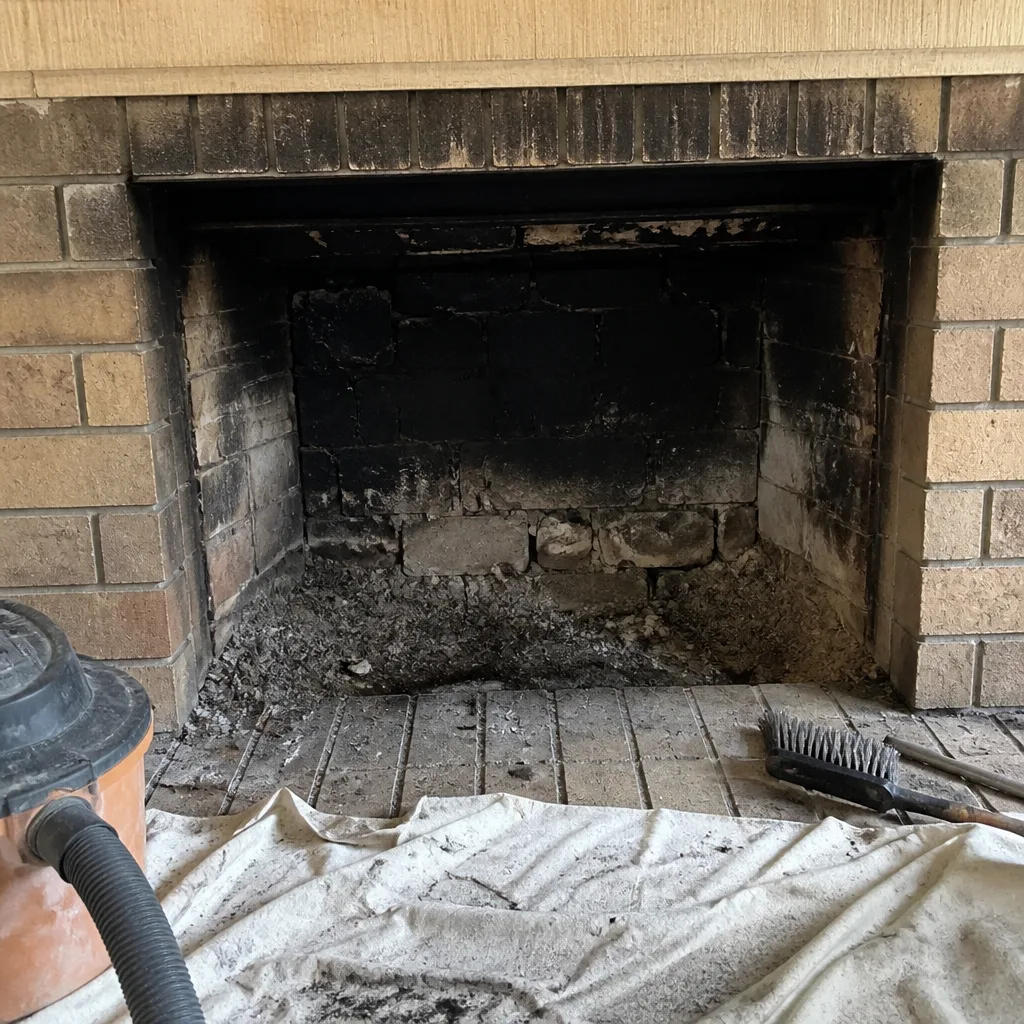 Before
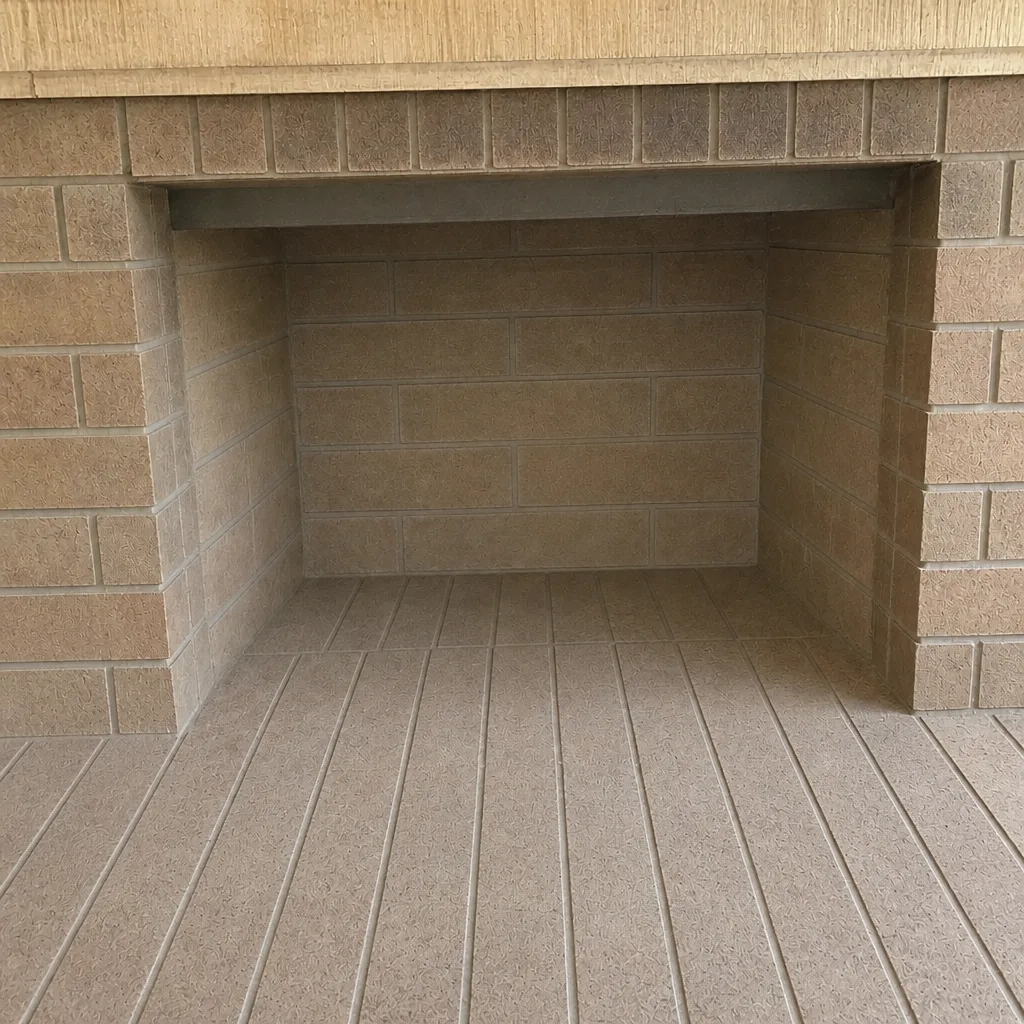 After
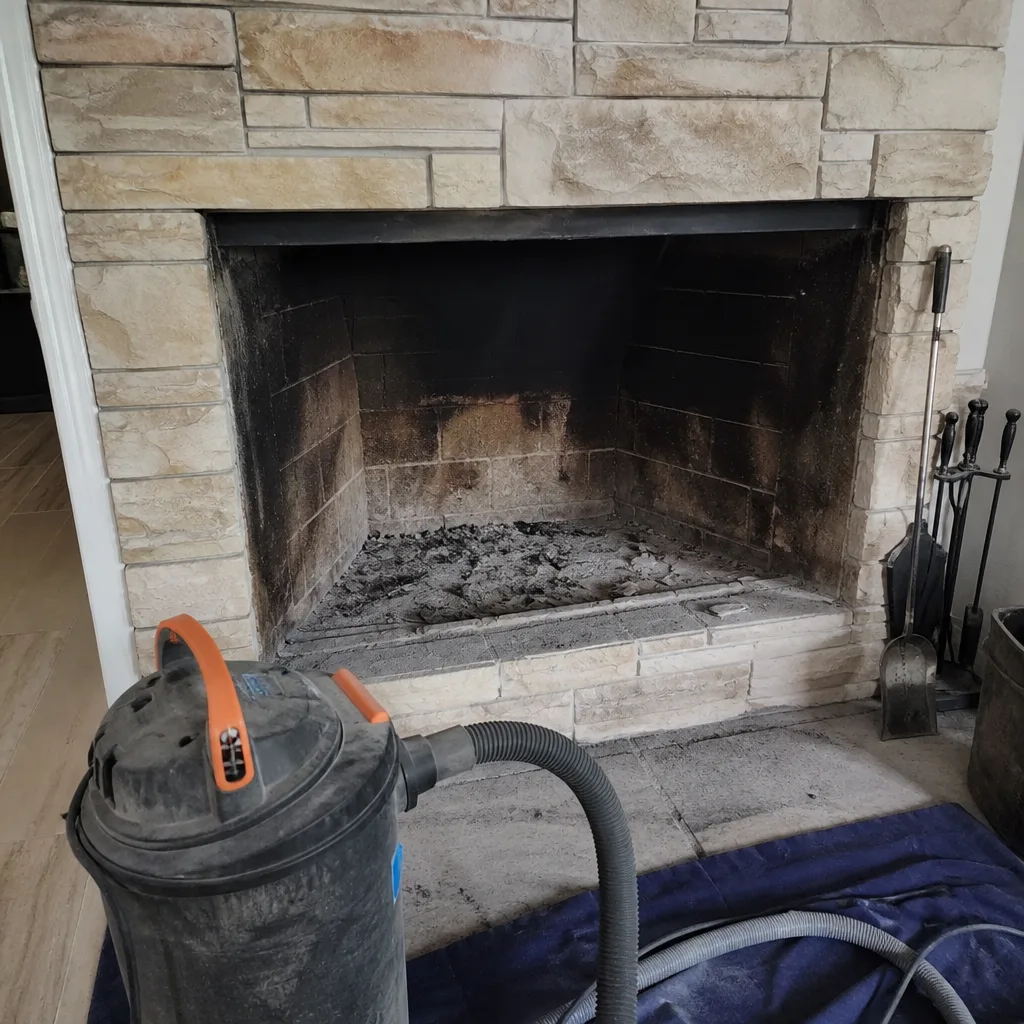 Before
 After
 Before
 After