
Last updated November 16, 2026
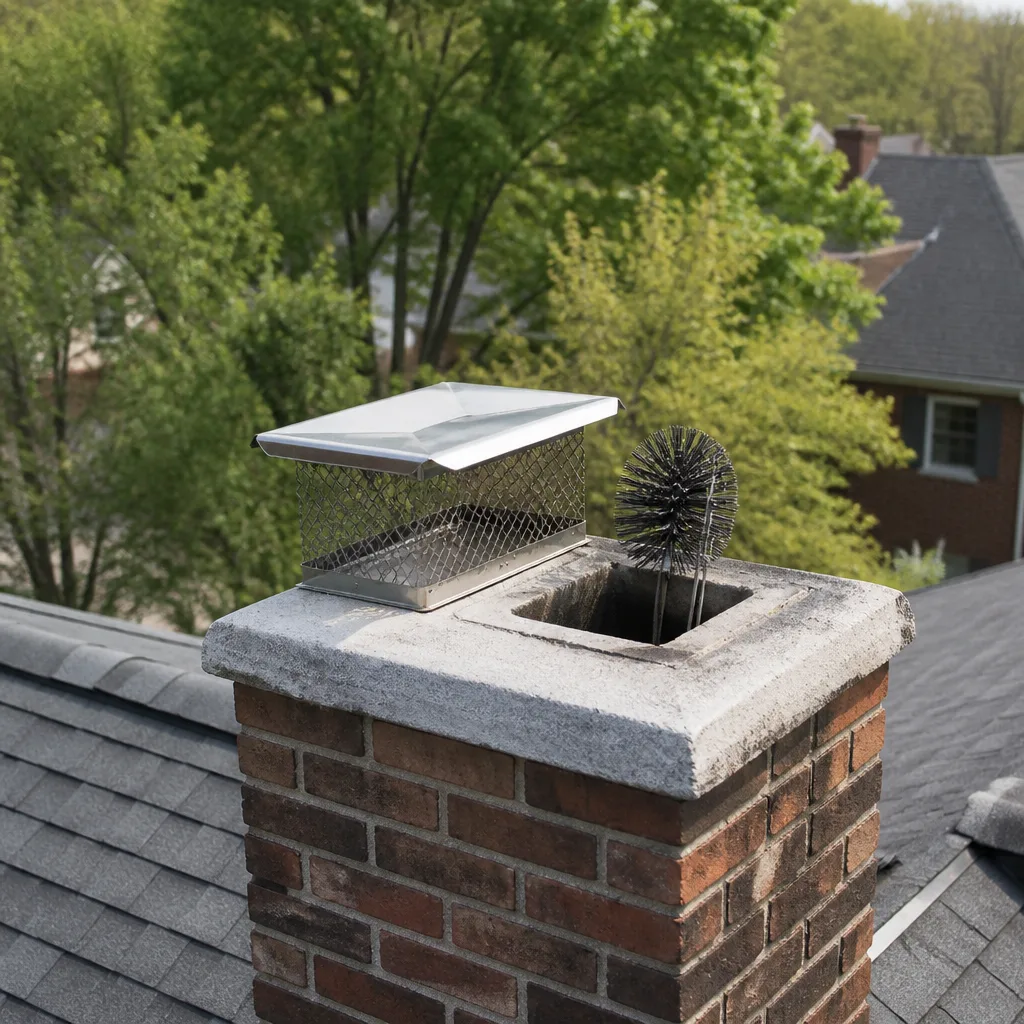 Sweep & inspection
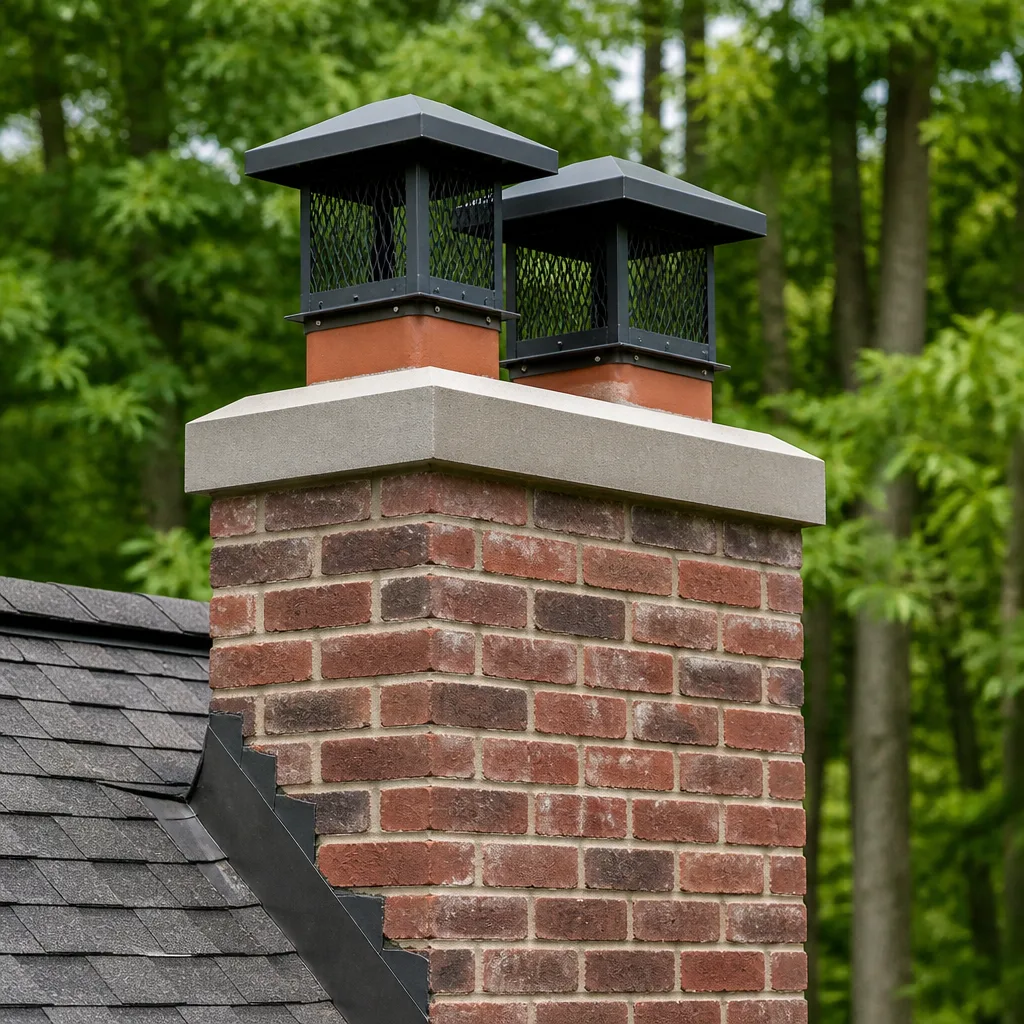 Caps & crowns
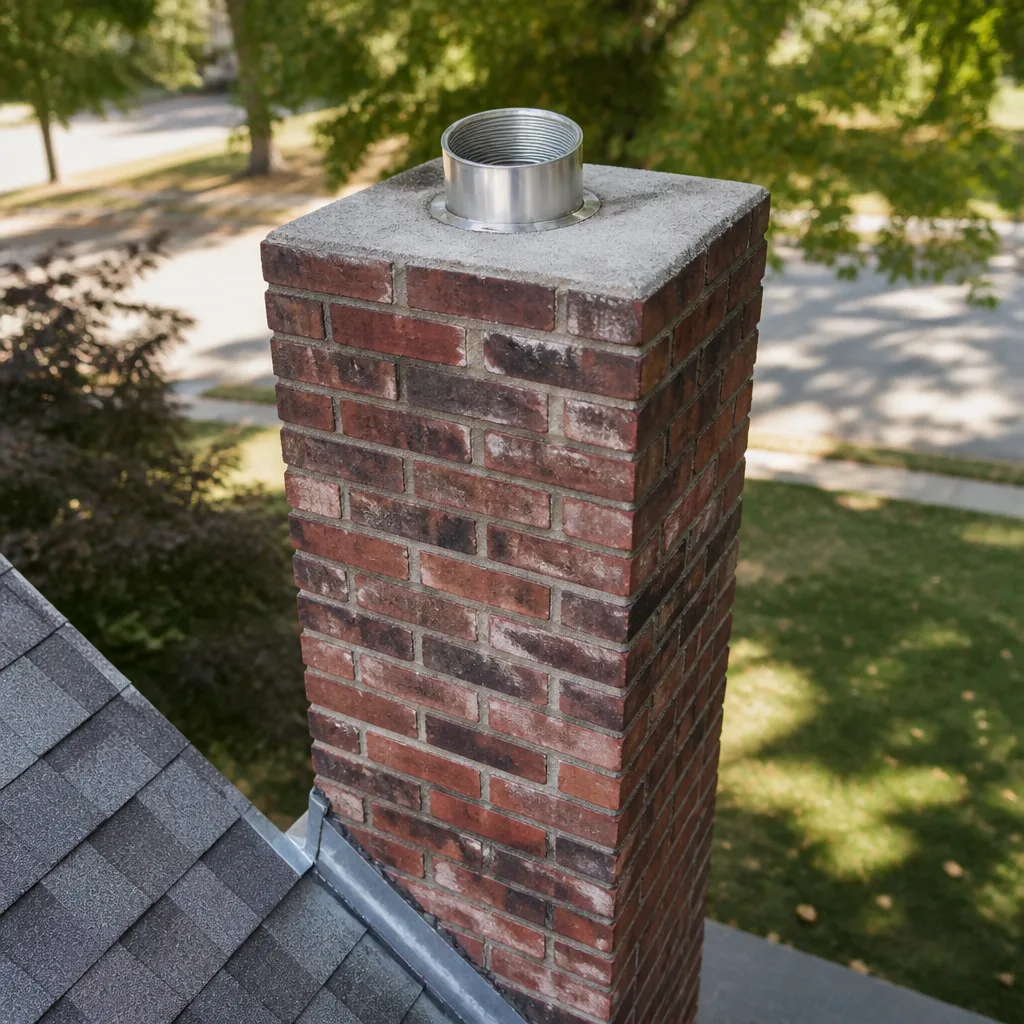 Flue relining
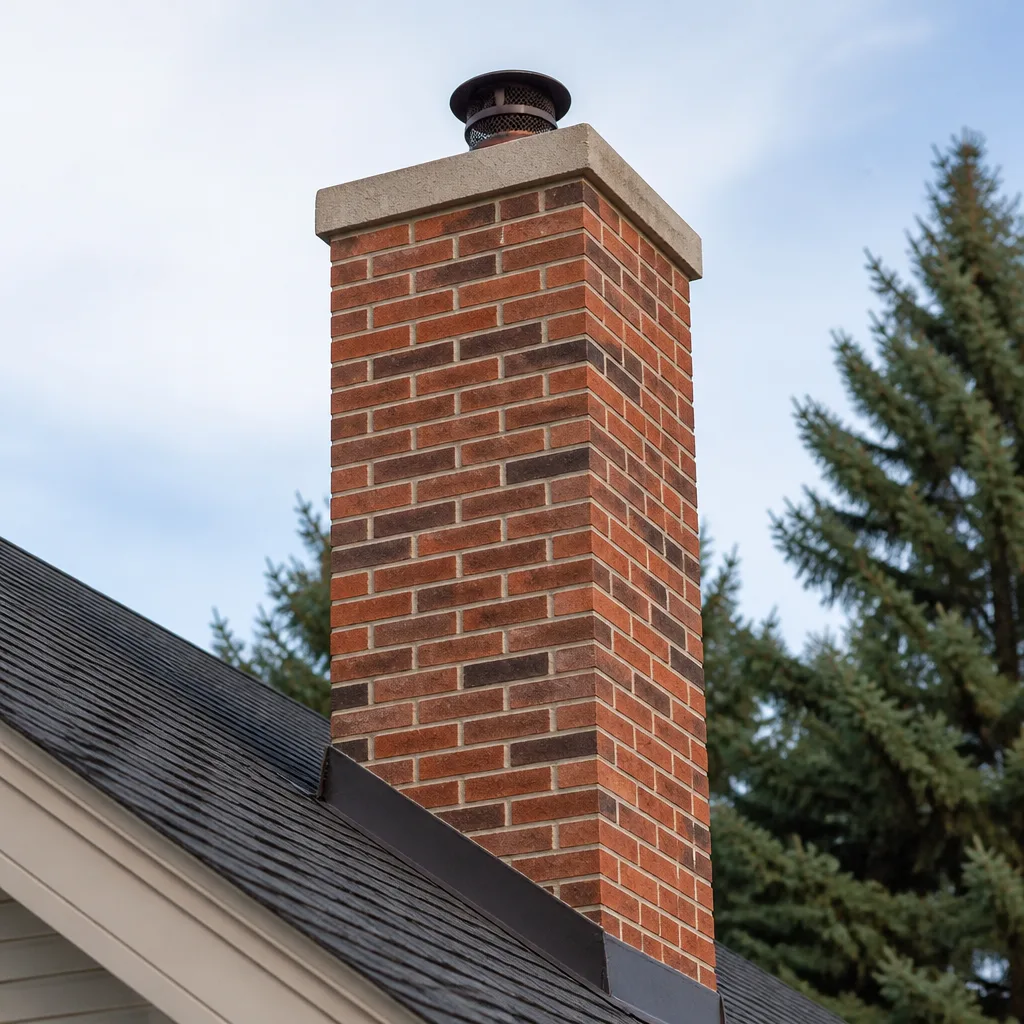 Masonry repair
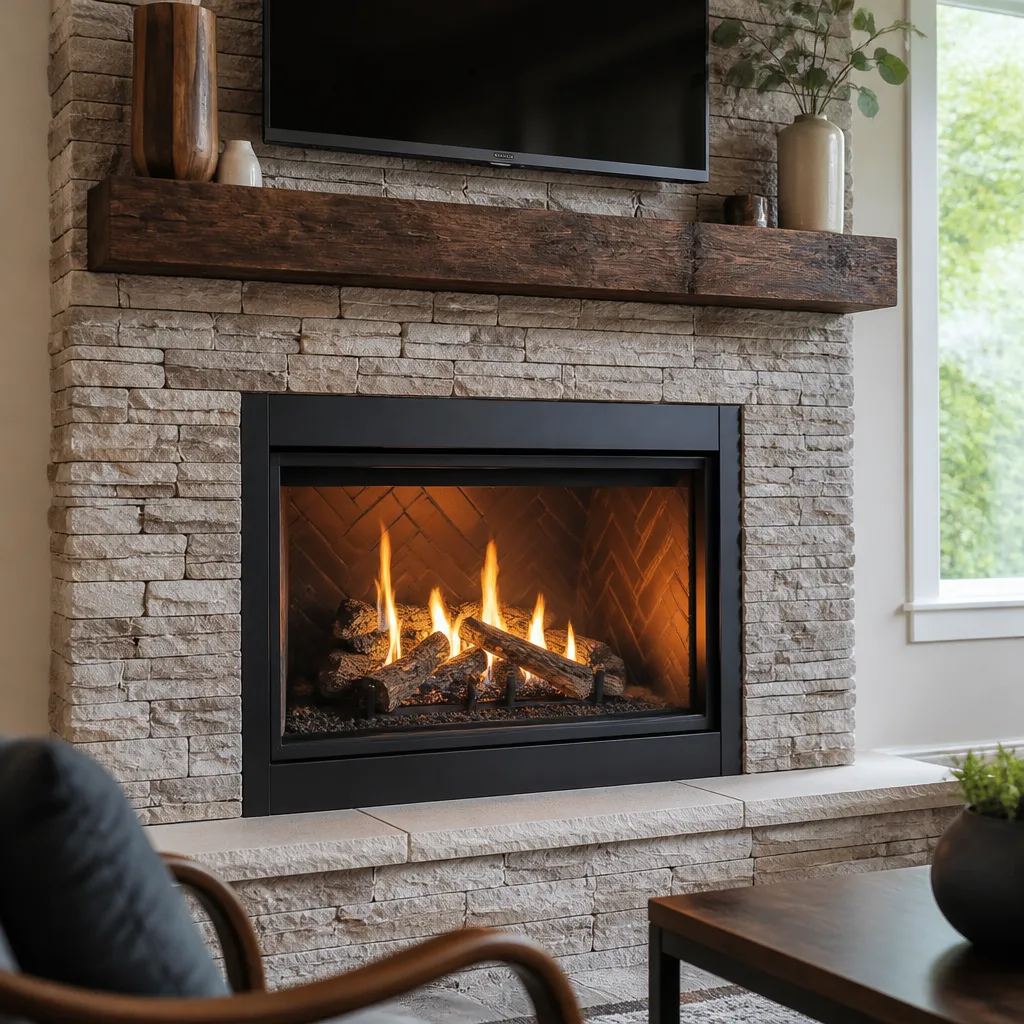 Gas fireplace service
Level 1 sweep and inspection to the NFPA 211 annual standard - flue, crown, cap, and flashing checked and photographed
Chimney sweep logs do not sweep chimneys. They loosen some creosote - which then falls where a brush and vacuum still have to collect it.
The Complete Guide to Chimney Cleaning in Port St. Lucie
Most chimney advice you’ll find online was written for a house that burns wood five months a year and sits under snow. That’s not Port St. Lucie. Here, a fireplace might see ten or twenty fires in a season, and the chimney spends the rest of the year sitting idle in warm, humid air. That idle time is what causes trouble. Moisture works on mortar. Insects and birds move in. Creosote that would be baked dry up north stays tacky and acidic. When a Port St. Lucie chimney fails an inspection, it’s rarely from heavy soot. It’s from the slow damage of a structure nobody’s looked at in years. This guide walks through what chimney cleaning actually involves in our climate, how inspection and repair fit together, and what you should walk away with after every visit.
Quick Answer
Chimney cleaning in Port St. Lucie means more than brushing out soot. A proper visit includes a camera or visual inspection of the flue, removal of creosote and debris, a check for moisture damage and pest intrusion, and a written record of what was found. Because chimneys here often go months without use, the inspection matters as much as the sweep, and any repairs should be handled as part of the same visit rather than farmed out to someone else.
Styles & brands we work with
- Sweep & inspection
- Caps & crowns
- Flue relining
- Masonry repair
- Gas fireplace service
Table of Contents
- Why Low-Use Chimneys in Warm Climates Have Their Own Hazards
- How Humidity and Long Idle Periods Affect Mortar, Liner, and Cap
- A Full-Service Cleaning vs. a Brush-Only Sweep
- Inspection, Cleaning, and Repair as One Continuous Process
- What Actually Happens During a Chimney Cleaning in Port St. Lucie
- What You Should Have Documented After Every Visit
- Creosote, Carbon Monoxide, and Why Safety Drives the Schedule
- How to Choose a Chimney Professional
Why Low-Use Chimneys in Warm Climates Have Their Own Hazards
Cold-climate chimney guides focus hard on creosote buildup, and that makes sense when a fire burns every night from October to March. In Port St. Lucie, the pattern is different. A fireplace insert gets used on the handful of cool evenings in January, maybe again in February, and then sits dormant while summer humidity climbs into the nineties. That dormant stretch creates a set of problems that heavy-use chimneys largely avoid.
The first is that creosote never fully cures. The tarry deposits left from a few fires stay slightly soft and acidic instead of baking into a hard glaze, which means they can do more gradual damage to a liner over months of idle time than a thick cold-climate accumulation does in one season. The second is moisture. A warm chimney with a cool, damp interior is an ideal place for condensation, and condensation combined with ash makes a mildly corrosive paste that sits against masonry.
The third is pests. A dormant flue is a sheltered, dry cavity with a small opening at the top, and in this part of Florida that’s an open invitation to birds, wasps, and the occasional raccoon. Nesting material blocks draft and catches sparks.
- Soft, acidic creosote that sits against the liner for months instead of burning off
- Condensation and damp ash working on mortar joints during the off-season
- Bird and insect nests that restrict draft and create a fire hazard
- Stagnant air that traps moisture in the flue instead of drying it out
- Settled debris like leaves and twigs that fall in from above
None of these show up as a dramatic chimney fire. They show up as a flue that drafts poorly, a smoke smell in the room, a cracked mortar joint, or a failed inspection when you finally decide to use the fireplace again. That’s the case for treating a Port St. Lucie chimney as something that needs annual attention even when you hardly ever light a fire.
How Humidity and Long Idle Periods Affect Mortar, Liner, and Cap
Port St. Lucie sits in a subtropical climate with a long, sticky summer and a relatively dry winter. That rhythm is hard on masonry chimneys in a way that northern homeowners don’t deal with. During the wet months, the exterior of a chimney absorbs water every time it rains. During the dry months, that moisture has to leave. The cycle repeats, and every repetition puts a little stress on mortar joints, the crown at the top of the chimney, and the flue liner.
Humidity does most of its work at the top. A chimney crown that has a hairline crack lets water into the structure. Once it’s in, it has nowhere to go but down, and it finds the weakest points: mortar joints, the smoke chamber, and the point where the flue tiles meet. A cap that’s missing or damaged makes everything worse, because it lets rain and animals in directly.
The liner takes its own share of the damage. Clay tile liners crack with thermal movement and moisture cycling. Metal liners can corrode if condensation sits against them for long stretches. A stainless liner from DuraFlex is built for this environment, and when a liner has failed outright, relining is the repair that restores the chimney. HeatShield resurfacing is the other option: it’s a repair capability that addresses a damaged flue without a full liner replacement, and it goes beyond what a sweep-only provider can offer.
What this means practically: in Port St. Lucie, a chimney inspection should look as closely at the top of the chimney and the exposed masonry as it does at the flue interior. Water intrusion is the most common issue we see, and it’s usually caught early enough to fix with a crown repair or a new cap, using components from brand lines like Copperfield or Famco that are built to spec rather than pieced together from generic hardware.
A Full-Service Cleaning vs. a Brush-Only Sweep
A brush-only sweep does one thing: it knocks loosened soot and creosote off the flue walls and vacuums it away. That’s a real service, and there are times when it’s the whole job. But calling it chimney cleaning is generous, because it says nothing about the condition of the chimney you just cleaned. A full-service visit covers a wider scope, and the difference matters most in a climate where moisture damage and pest intrusion are more common than heavy soot.
Here’s how the two compare:
| What’s covered | Brush-only sweep | Full-service cleaning |
|---|---|---|
| Creosote and soot removal | Yes | Yes |
| Visual or camera inspection of the flue | Rarely | Standard |
| Check for moisture damage and cracked masonry | No | Yes |
| Cap and crown condition check | No | Yes |
| Pest nesting removal | Sometimes | Yes |
| Written findings and photo record | Uncommon | Yes |
| Repair capability on site | No | Yes |
The gap that matters most is the last row. When a sweep-only provider finds a cracked crown or a failing liner, the best they can do is refer you to someone else. You then schedule a second visit with a different company, explain the situation again, and hope the two assessments agree. A full-service chimney specialist handles inspection, cleaning, and repair as a single flow, so the person who finds the problem is the same one who can fix it.
That’s the point of working with a company like Unity Chimney Sweep. We inspect before we sweep, we clean what needs cleaning, and we repair what the inspection turns up. There’s no handoff and no second appointment with a stranger who’s seeing your chimney for the first time.
Inspection, Cleaning, and Repair as One Continuous Process
The biggest structural problem in chimney care isn’t any single service. It’s the way homeowners end up juggling three separate vendors for inspection, sweeping, and repair, each one working from partial information. The fix is to treat the three as one sequence. Here’s how that flow should look.
- Inspection first. Before anything is brushed, the chimney gets looked at. That means the firebox, the damper, the smoke chamber, the flue, the crown, the cap, and any exterior masonry. Where a camera is used, you get to see what we see.
- Cleaning based on what was found. The sweep is scoped to the inspection. A lightly used chimney with soft creosote and a bird’s nest gets a different cleaning than one with glazed deposits high in the flue. Cleaning a chimney you haven’t inspected is guesswork.
- Repair recommendations with evidence. Any repair that’s proposed comes with the photo or camera evidence that justifies it. You should never be told you need liner work without being shown why.
- Repairs completed in the same company. Once you approve the scope, the repair gets scheduled and completed by the same team that inspected and cleaned. That closes the loop without a second vendor and a second explanation.
- Final check and documentation. After repairs are done, the chimney is checked again, and you leave with a written record of everything that happened.
This is why a full-service model is worth more than the sum of its parts. If the inspection finds a damaged flue that needs relining with DuraFlex, the same visit that produced the finding can plan the repair. If it finds a crown that needs sealing and a cap that needs replacing, that gets handled with spec-grade components instead of another referral. And if it finds nothing wrong, you hear that plainly, along with a recommendation on when to schedule the next visit.
Removing the coordination gap is the whole point. In our experience, most homeowners don’t want to manage three vendors through a chimney problem. They want one call, one assessment, and one company that follows through.
What Actually Happens During a Chimney Cleaning in Port St. Lucie
A home visit for chimney cleaning should follow a predictable sequence, and you should know what that sequence is before anyone arrives. Here’s what a full-service visit looks like in practice.
- Protect the room. Drop cloths and a work area set up around the firebox and hearth so soot and dust stay contained.
- Inspect. A look at the firebox, damper, smoke chamber, flue, crown, and cap, using a camera where the flue interior needs a closer view.
- Sweep. Brushes sized to the flue, run from the top down or bottom up depending on the chimney, with a vacuum running throughout to capture what comes loose.
- Remove pests and debris. Nests, leaves, and anything else that made its way into the flue cavity get pulled out and disposed of.
- Check the cap, crown, and flashing. A missing or damaged cap is one of the most common findings in Port St. Lucie, and it’s usually the cheapest repair that prevents the most expensive damage.
- Review findings with the homeowner. Walk through what was found, show the photos, and separate what needs attention now from what can safely wait.
- Document and plan. Leave a written record and, if repairs are needed, a clear plan for what they involve.
One practical note specific to this area: because chimneys here often sit idle for months, the first cleaning after a long dormancy can turn up more debris than creosote. That’s normal, and it’s a good reason to schedule a visit before the cool season rather than after you’ve already had a few fires and can’t tell whether the flue is clear.
Technicians who work in this climate get used to the pattern. Our technicians have up to 11 years of experience, which in this region means a lot of early-season inspections that found nests, cracked crowns, and failed flashing rather than heavy soot. Knowing what to look for on a low-use chimney is a different skill from sweeping a heavy-use one.
What You Should Have Documented After Every Visit
A chimney service is only as good as the record it leaves behind. The paper trail matters for two reasons: it’s your evidence of what condition the chimney was in, and it’s what an insurer or a home buyer will ask for if a question ever comes up. Here’s what should be in hand after every visit.
- A written description of what was cleaned. Which components were swept, and what was removed from the flue.
- Photos of anything found. Cracks, damaged caps, failed flashing, moisture staining in the smoke chamber, animal nesting. Photos you can see for yourself.
- The inspection findings in plain language. Not a checklist with no comments, but a description of the chimney’s condition in ordinary terms.
- Recommendations, clearly separated. What needs repair now, what should be watched, and what can safely wait.
- A record of any repairs performed, with the materials or components used noted. If a cap or crown was replaced, the brand and product should appear in the write-up.
- A date for the next recommended service.
Why this matters at resale: when a buyer’s inspector looks at the chimney, the seller who can produce two or three years of service records, with photos, is in a much better position than the seller who says “we had it swept once.” For insurance, a documented service history is the cleanest way to show the chimney has been maintained. And for you as the homeowner, that stack of records is what lets you tell a real repair need from an upsell. Photos you can look at are the difference.
When we work in Port St. Lucie, documentation is part of the visit, not an optional add-on. Nothing is proposed without evidence, and everything that’s found goes into the written summary.
Creosote, Carbon Monoxide, and Why Safety Drives the Schedule
Creosote is the material that makes chimney cleaning a safety service rather than a maintenance chore. It’s the residue left when wood smoke cools on the flue walls, and it ignites at temperatures a normal fire can reach. Soft deposits are the early stage. Glazed, tar-like deposits are the dangerous stage, because they ignite easily and burn hot enough to damage the flue or spread into surrounding framing.
A chimney fire is one risk. Carbon monoxide is the other, and it’s the one that gets less attention. A blocked or damaged flue can let combustion gases back into the house instead of up and out. You can’t smell carbon monoxide, and you can’t see it, so an inspection of the flue is the only way to know the venting path is clear. That’s part of why the inspection comes before the sweep rather than after.
Wood smoke and combustion byproducts aren’t something to handle by feel. If you suspect a blockage, a failed liner, or a chimney fire has occurred, stop using the fireplace and have the chimney inspected before lighting another fire. This is a job for a trained professional. A camera inspection and an honest assessment of the flue should precede any cleaning or repair, and the safety caveat here is simple: don’t rely on a visual glance from the hearth to tell you the chimney is safe.
The urgency in this region isn’t hourly. It’s seasonal. The right time to get the chimney looked at is before the cool months arrive, when the fireplace is going to start being used again, and the flue has had a full season of idle humidity and potential pest activity to sit through. Getting on the schedule ahead of that window means the work gets done without the last-minute scramble.
How to Choose a Chimney Professional
Most homeowners only call a chimney company once every year or two, so there’s not much room to learn by trial and error. A short set of questions separates a real specialist from a generalist with a brush and a ladder.
- Do they inspect before they sweep? A sweep without an inspection is a clean chimney with unknown problems.
- Can they perform repairs themselves? If the answer is a referral, you’re back to managing two vendors.
- What’s their documentation like? Ask what you’ll receive after the visit. Photos and a written summary should be standard.
- What brand lines do they work with? A company that knows Olympia Chimney or DuraFlex product lines is working from a knowledge base that goes past sweeping.
- Will they tell you when work can wait? An honest company is comfortable saying a chimney is fine and doesn’t need anything this year.
- Are they licensed and insured? Confirm before the visit, not after.
For a closer look at what a visit involves, see our chimney sweep page, and for the repair side of the work, our chimney repair page covers resurfacing, relining, caps, and crowns. If you’re in the area and want to know how the local climate shapes the service, there’s more on our Port St. Lucie page.
Common Mistakes to Avoid
- Skipping the inspection because the chimney “barely gets used.” Low use is the reason to inspect here, not the reason to skip it. The risks in a Port St. Lucie chimney come more from moisture and pests than from soot.
- Running a brush through and calling it done. A sweep without an inspection leaves the crown, cap, flashing, and flue liner unexamined, and those are the components that fail in this climate.
- Ignoring a missing or damaged cap. An uncapped flue lets rain in, and it’s the entry point for birds and insects. It’s one of the simplest repairs and one of the most common findings.
- Deferring repair work to “next year” without a written timeline. Some repairs really can wait. Others shouldn’t. The point is to have the assessment in writing so the decision isn’t guesswork.
- Hiring a sweep-only provider and then hunting for a repair company separately. Two vendors means two assessments that may not agree, and you end up arbitrating between them.
- Letting the paper trail lapse. A service record with photos is what a buyer’s inspector asks for at resale and what an insurer looks at after a claim. It costs nothing to keep, and it’s hard to reconstruct later.
- Burning unseasoned wood or treated scrap. Wet wood produces more creosote, and treated lumber releases compounds you don’t want in your house. Seasoned firewood burns cleaner and leaves less behind.
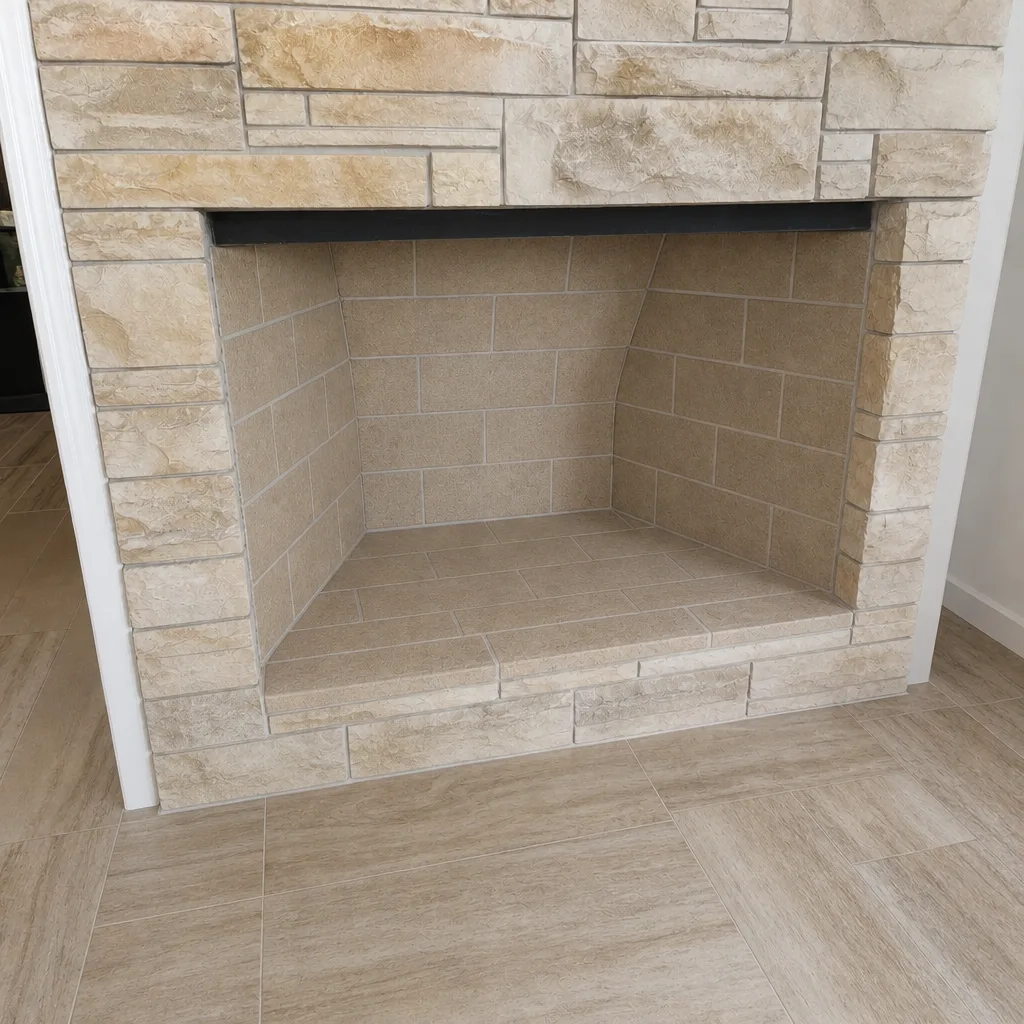
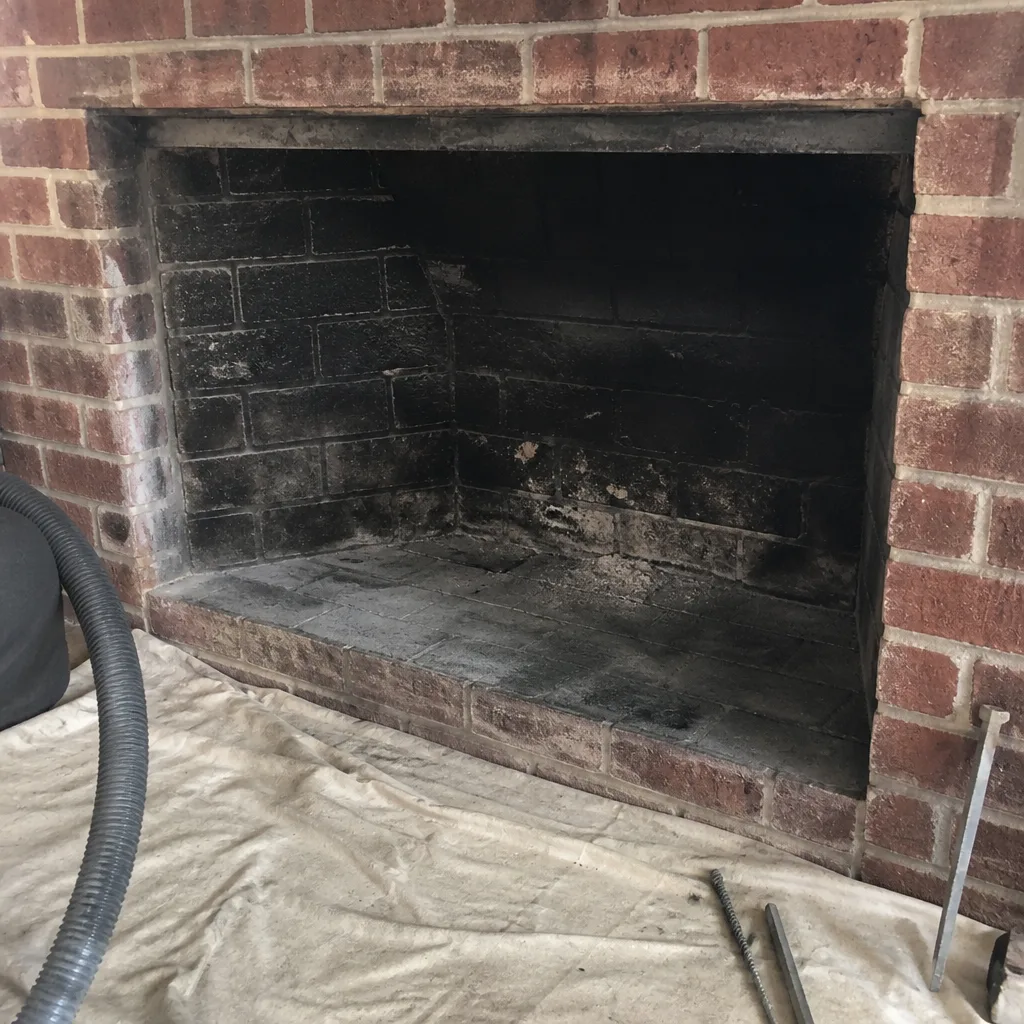
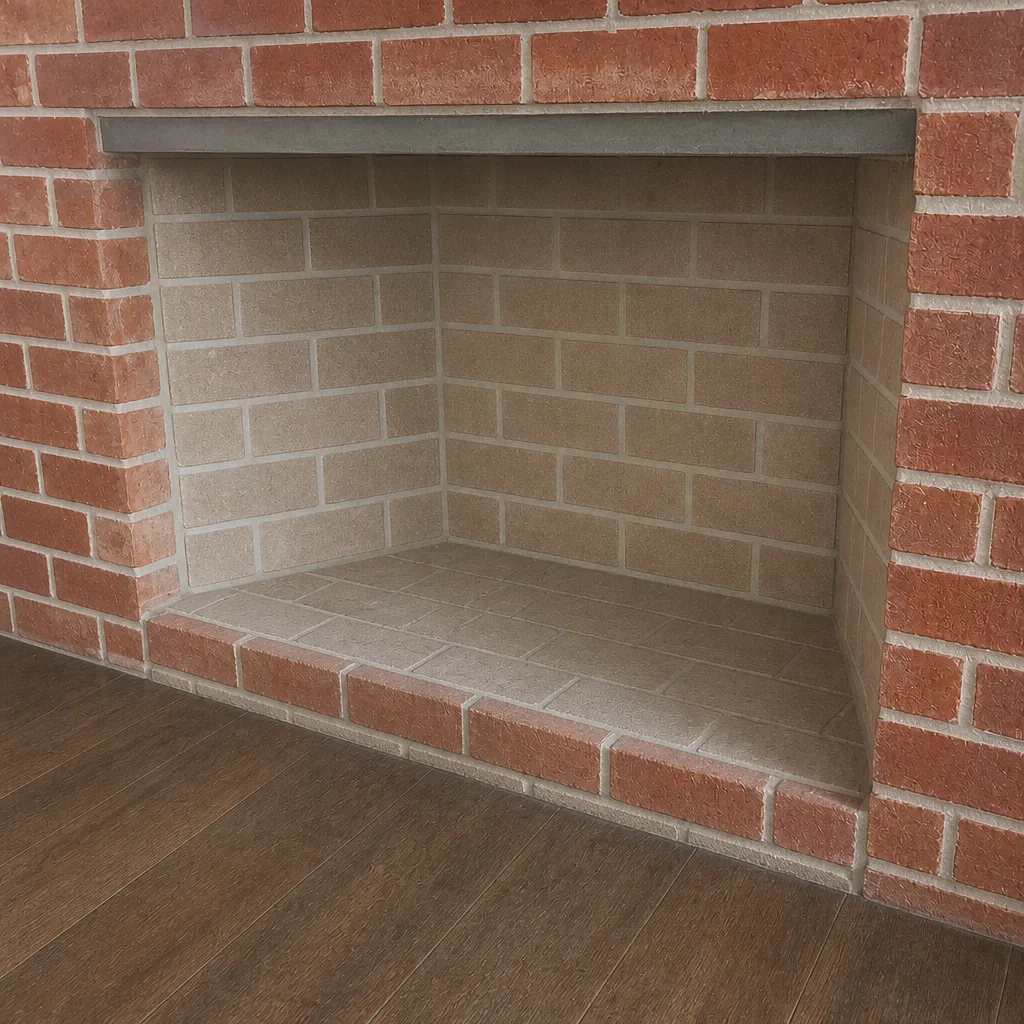
See the difference
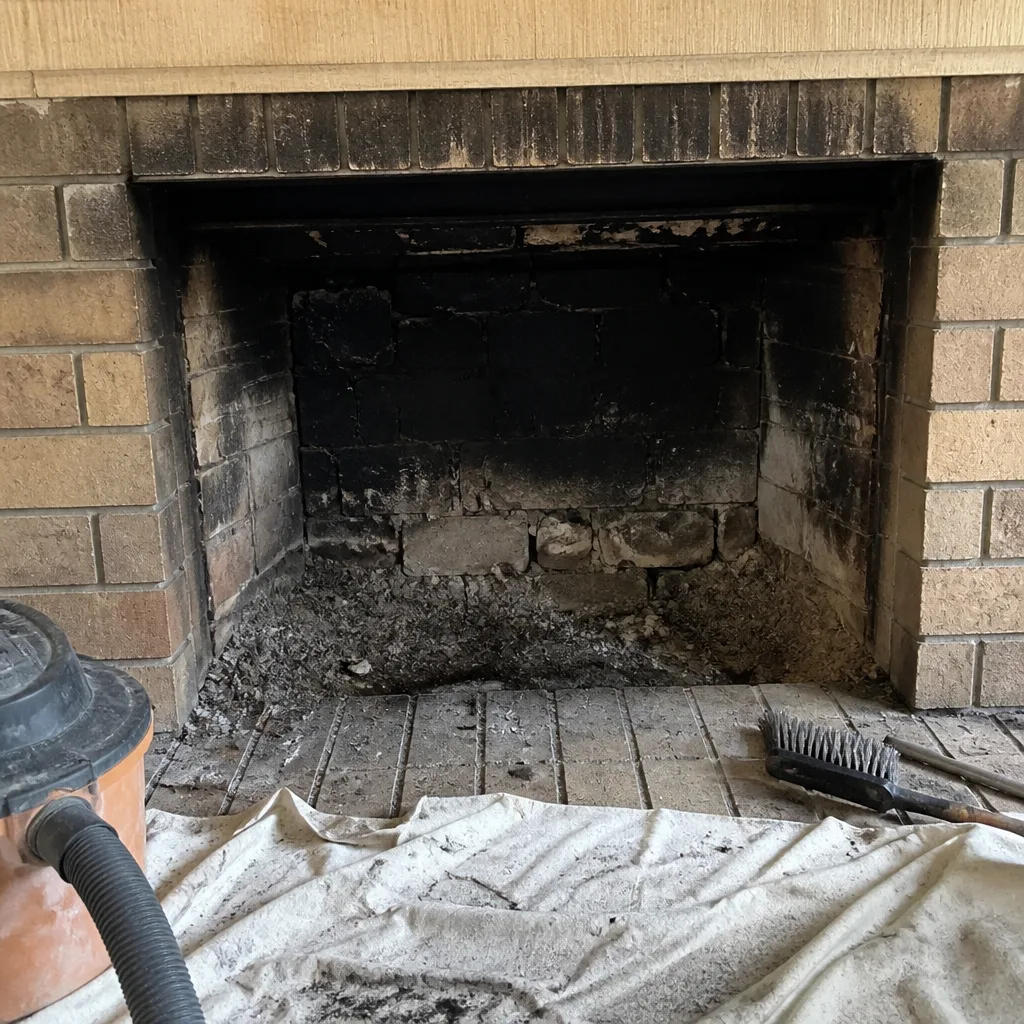 Before
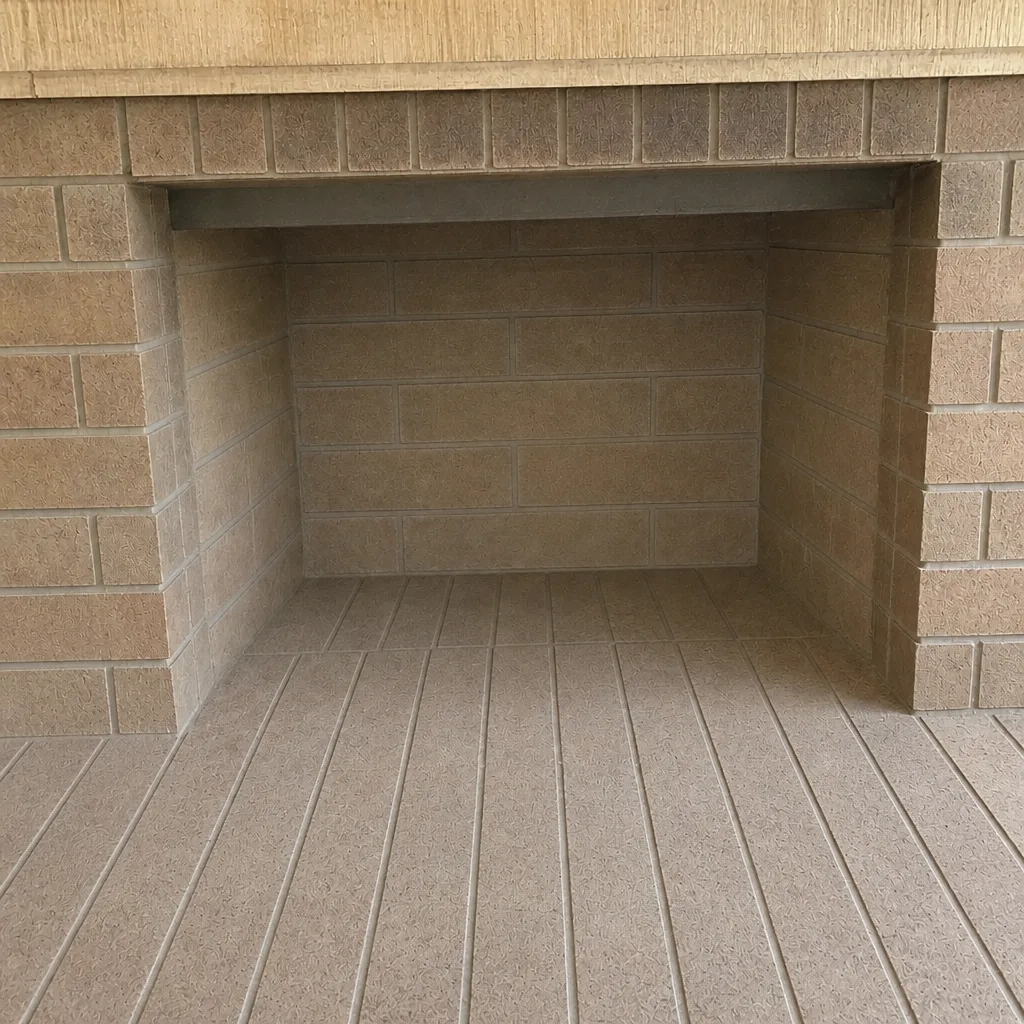 After
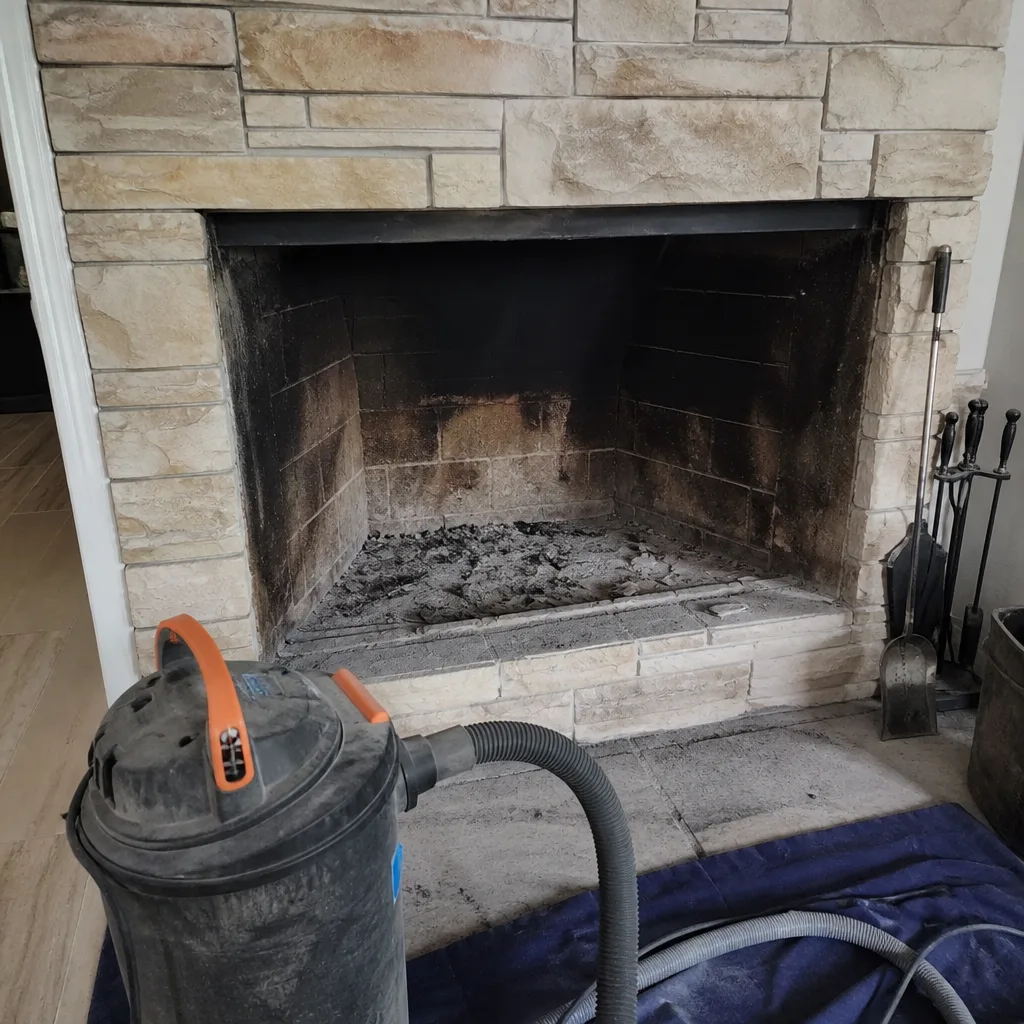 Before
 After
 Before
 After
When to Call a Professional
Call a chimney professional when you can’t remember the last time the chimney was inspected, when you’re starting to use the fireplace for the season and haven’t had it checked, or when you notice smoke coming back into the room, a strong creosote smell, or staining on the exterior masonry. Call immediately if you suspect a chimney fire has occurred or if you have any reason to think the flue is blocked. And call before you schedule repair work you’ve been told you need but haven’t seen evidence for: a full-service visit will show you the photos and tell you plainly what’s urgent and what can wait.
Unity Chimney Sweep offers free estimates in Port St. Lucie. Call (844) 990-3838. We answer 24/7. Fast dispatch from 7am to 7pm, Sunday through Friday.
Frequently Asked Questions
The cost depends on what the inspection turns up: whether the flue is heavily soiled or mostly needs debris removal, whether pests or nesting are present, and whether any repairs come up. A written estimate sets the final price, and the estimate is free. Call (844) 990-3838 for an exact quote for your chimney.
Annual inspection is the safe baseline for a wood-burning fireplace, even a lightly used one. In this climate, the annual visit is mainly about catching moisture damage, cracked masonry, and pest intrusion before they turn into expensive repairs. Cleaning is done as the inspection shows it’s needed. Call (844) 990-3838 to schedule the inspection.
Only if the inspection shows the existing liner is cracked, corroded, or otherwise failing to contain the fire and vent the smoke. A visible crack or a failed camera inspection is the evidence that justifies relining with a product like DuraFlex. Nothing should be recommended without evidence you can look at, and if a liner can safely wait, you should be told that. Call (844) 990-3838 to have the flue inspected.
Yes, and the reasoning is different from a cold-climate chimney. Low use in Port St. Lucie means the chimney sits idle through humid months, which invites condensation, pest nesting, and slow mortar damage. The cleaning is about clearing debris and creosote, and the inspection is about everything else. Call (844) 990-3838 to book a visit.
You lose the ability to catch small problems while they’re still small. A hairline crown crack or a damaged cap allows water into the structure; a bird’s nest restricts draft; soft creosote sits against the liner for months. None of these announce themselves until something fails or the smell becomes noticeable. Call (844) 990-3838 for an inspection before the next burning season.
You should receive a written summary of what was cleaned, photos of anything found, a plain-language description of the chimney’s condition, and a clear separation of what needs repair now versus what can wait. That record matters if you ever sell the house or file an insurance claim. Call (844) 990-3838 to schedule a visit that includes it.
The Bottom Line
Chimney cleaning in Port St. Lucie isn’t a heavy-soot problem. It’s a moisture, pest, and idle-time problem, and the annual visit is how you stay ahead of it. Get an inspection before the sweep, not after. Make sure the same company can handle the repair if one is needed, so you’re not coordinating three vendors through a chimney problem. And walk away from every visit with photos and a written record you can actually use. A clean chimney is the starting point, not the finish line. If the inspection comes back clear and the cleaning is done, that’s the whole point: you know the state of the chimney, you have it in writing, and you can light a fire without guessing.
Unity Chimney Sweep handles inspection, cleaning, and repair as a single continuous service, working with spec-grade product lines from brands like Olympia Chimney and Copperfield. When you’re ready to schedule, call (844) 990-3838 for a free estimate. We answer 24/7. Fast dispatch from 7am to 7pm, Sunday through Friday.
Written by the team at Unity Chimney Sweep.