
Last updated November 16, 2026
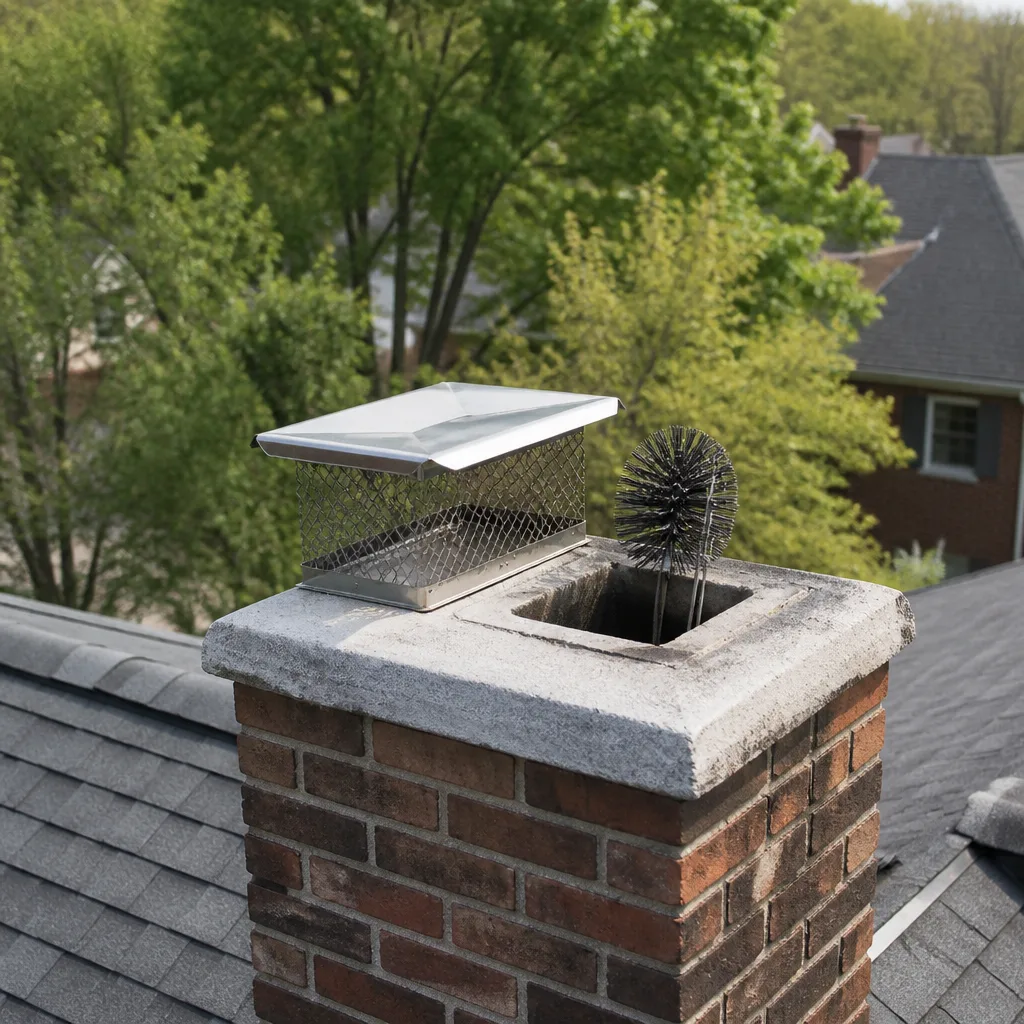 Sweep & inspection
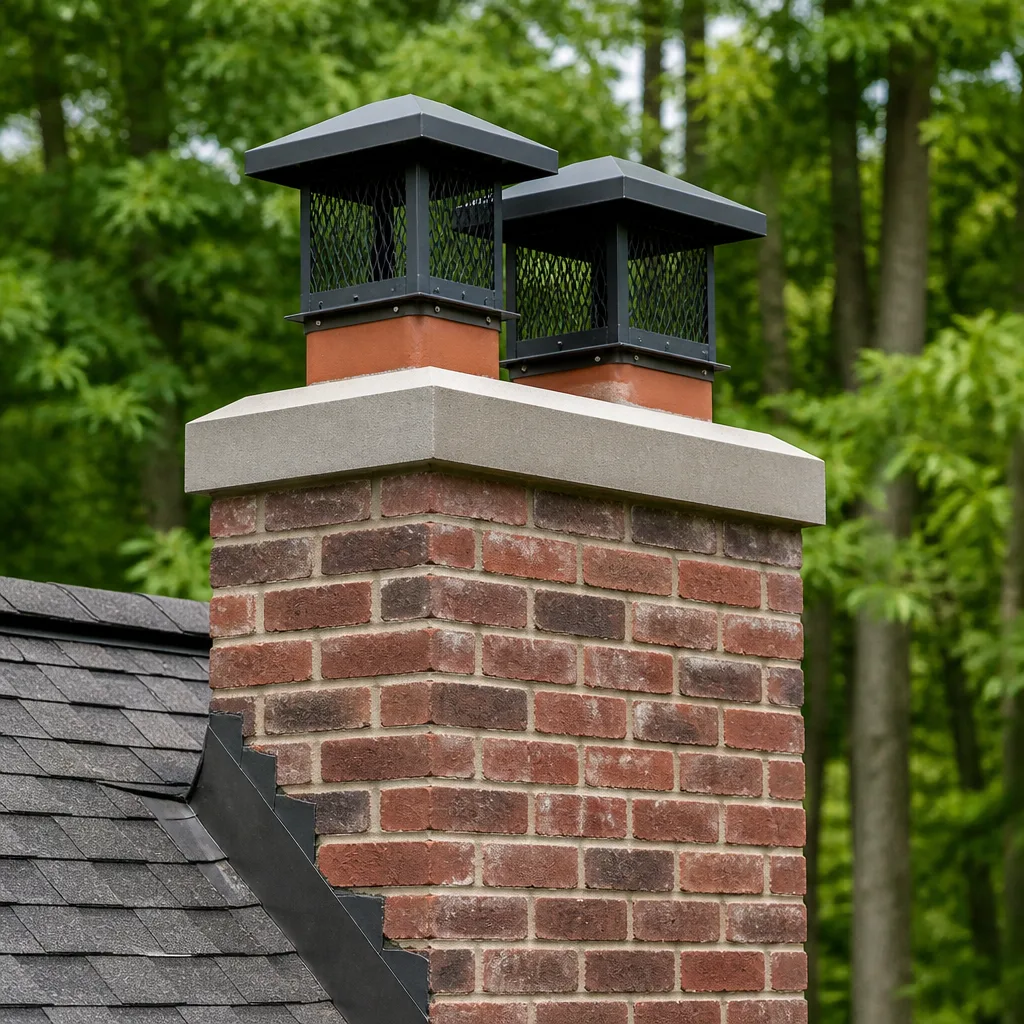 Caps & crowns
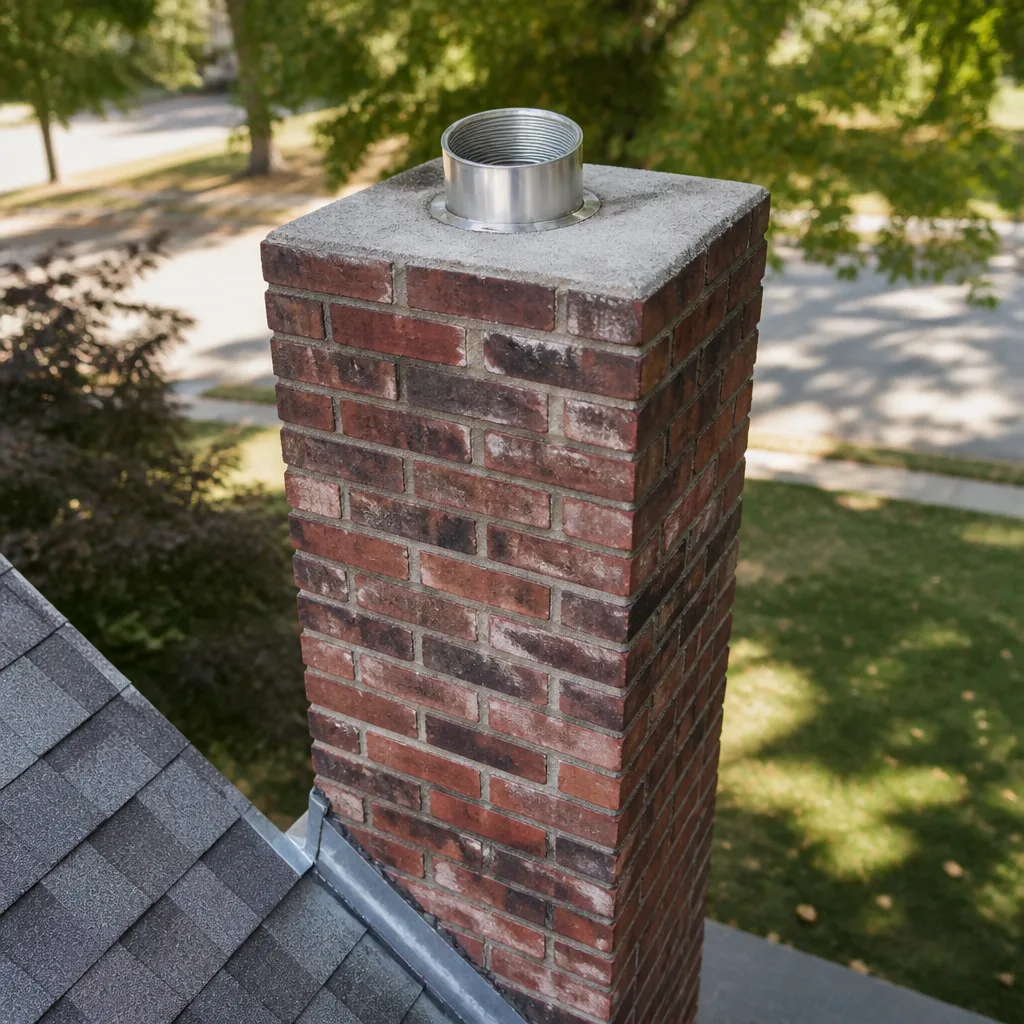 Flue relining
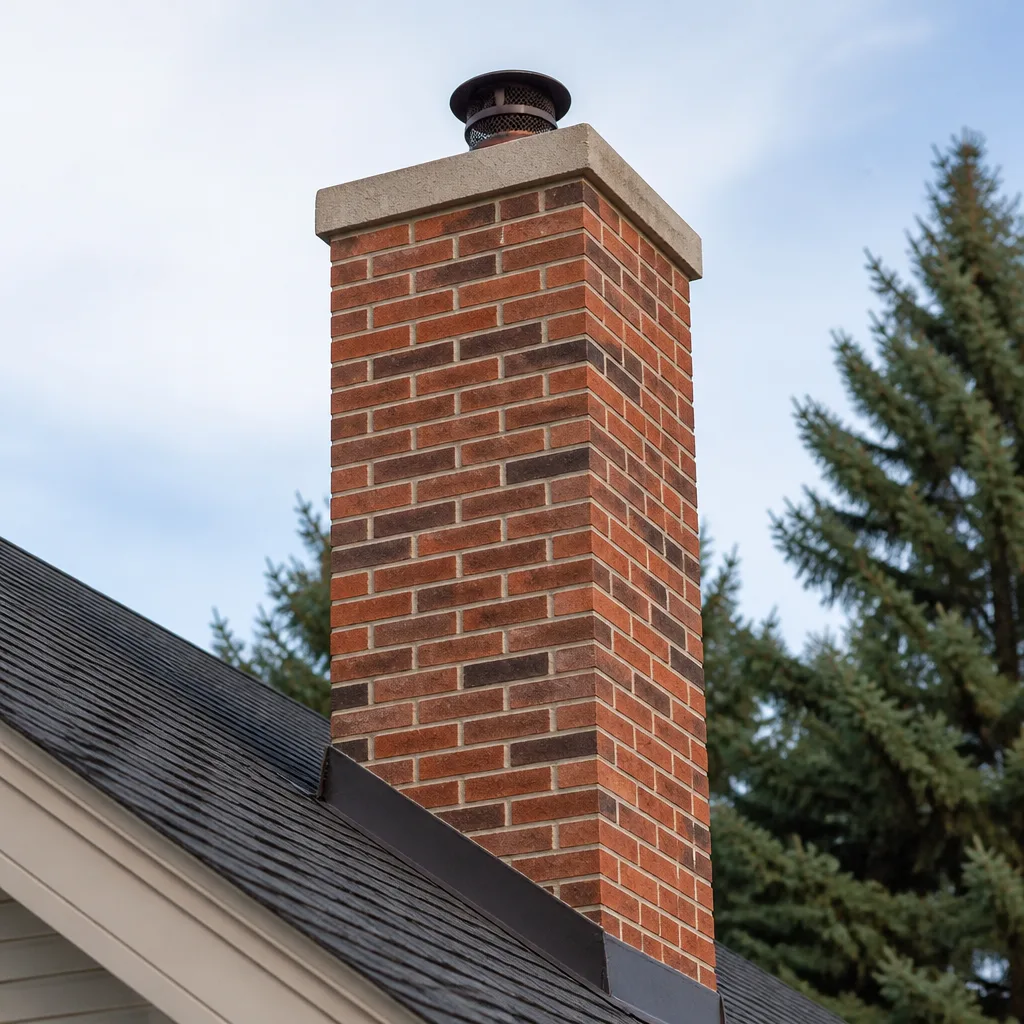 Masonry repair
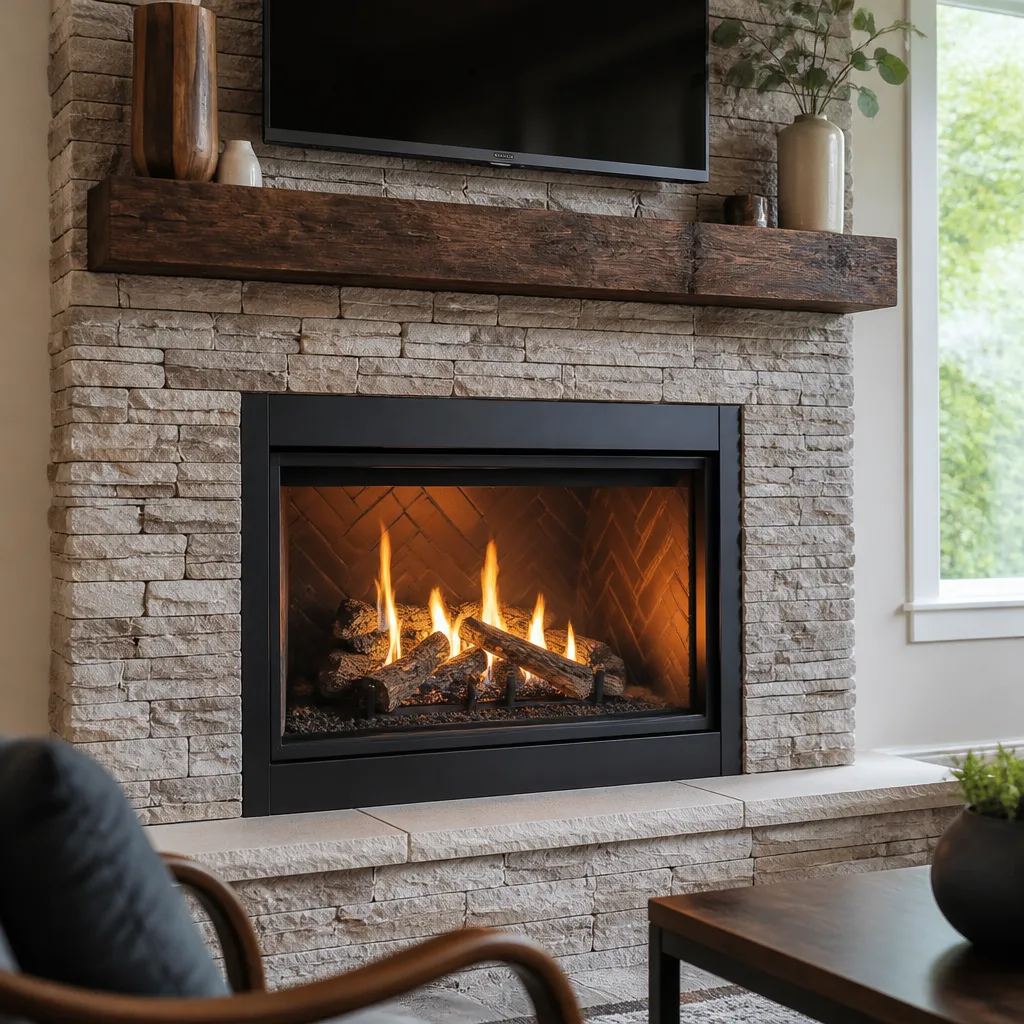 Gas fireplace service
Level 1 sweep and inspection to the NFPA 211 annual standard - flue, crown, cap, and flashing checked and photographed
Chimney sweep logs do not sweep chimneys. They loosen some creosote - which then falls where a brush and vacuum still have to collect it.
Chimney Cleaning Permits, Codes & Inspections in Port St. Lucie, FL: What You Need to Know
Here’s the part most homeowners don’t think about until it’s too late: a routine chimney cleaning almost never needs a permit, but a chimney repair often does. The line between the two is where good intentions turn into unpermitted work that can surface during a home sale inspection years down the road. We’ve watched plenty of buyers and sellers in Port St. Lucie learn that lesson the hard way. This guide walks through where St. Lucie County draws the line, which services trigger a permit and which don’t, how Florida’s wind and energy codes affect caps and crowns, and when a Level 2 inspection is required by NFPA 211.
Quick Answer
In Port St. Lucie, standard chimney cleaning and minor maintenance like small tuck-pointing jobs generally do not require a building permit. The moment you’re replacing a liner, rebuilding a firebox, or installing a gas insert, St. Lucie County building code treats it as a structural or appliance change, which means a permit is typically required. A Level 2 inspection under NFPA 211 is required during real estate transactions, after any chimney fire, and after a significant event like a lightning strike or earthquake. If you’re unsure which category your job falls into, a professional inspection is the fastest way to find out before work begins.
Styles & brands we work with
- Sweep & inspection
- Caps & crowns
- Flue relining
- Masonry repair
- Gas fireplace service
Table of Contents
- Where the Permit Line Falls: Cleaning vs. Repair in St. Lucie County
- Which Chimney Services Require a Permit and Which Don’t
- Florida Wind-Load and Energy Codes for Caps and Crowns
- What a Level 2 Inspection Is and When You Need One
- What to Expect During a Port St. Lucie Chimney Inspection
- Why Full-Service Chimney Companies Simplify the Permit Process
- The Step-by-Step Permit Process for Chimney Work
- Port St. Lucie Climate and Housing Factors That Affect Your Chimney
Where the Permit Line Falls: Cleaning vs. Repair in St. Lucie County
The permit question comes down to one thing: whether the work changes the structure or the flue system itself. A chimney sweep removes creosote and debris from a flue that’s already there. Nothing is added, removed, or altered. That’s routine maintenance, and in Port St. Lucie, you don’t pull a permit for maintenance.
Repairs are a different story. St. Lucie County building code treats chimney repair as construction work because it affects the structural integrity of the home and, in the case of anything related to combustion, the safe venting of exhaust. When you replace a liner or rebuild a firebox, you’re changing the pathway that smoke and carbon monoxide travel through. That’s not a swap of a worn part. It’s a modification to the building envelope, and it has to be inspected before it’s signed off.
The tricky part is that some jobs sit right on the line. Replacing a chimney cap? Probably no permit, unless you’re changing the design in a way that alters wind-load performance. Tuck-pointing a few loose mortar joints? No permit. Repointing the entire crown? Depends on scope and whether the crown is being reshaped. The safest approach is always the same: ask the building department before you start, or work with a company that asks on your behalf.
We’ve seen homeowners in Port St. Lucie assume they needed a permit for a simple sweep and pay for one they didn’t. We’ve also seen the opposite, where a liner was replaced without one and it surfaced during a sale. The permit line isn’t about cost. It’s about creating a paper trail that verifies the work was done correctly. That trail matters when you sell, refinance, or have an insurance claim, and it matters to the person who one day owns the home after you.
Which Chimney Services Require a Permit and Which Don’t
Not every chimney service is the same under St. Lucie County code. Here’s the practical breakdown, based on how the county building department typically classifies this work.
Services that generally don’t require a permit
- Standard chimney cleaning and creosote removal
- Video camera inspection, including Level 1 and Level 2 inspections
- Minor tuck-pointing of isolated mortar joints
- Replacing a chimney cap with a like-for-like model
- Chimney sweeping after a chimney fire, once the fire is out and the chimney has been inspected
- Routine maintenance and weatherproofing at the top of the flue
Services that typically require a permit
- Liner replacement, whether you’re installing a new stainless liner or resurfacing an existing flue with a refractory product like HeatShield
- Firebox rebuild or substantial firebox repair
- Gas insert installation or any change to the venting system
- Crown replacement or reshaping when it affects the structural makeup of the chimney top
- Adding a new chimney chase or extending an existing one
- Structural masonry repairs that involve load-bearing components
The gray areas are where homeowners usually get stuck. A full crown rebuild with new reinforcement falls on the permit side. Cosmetic patching of a hairline crack in the crown usually doesn’t. A liner replacement does. A single course of brick replaced at the top of the stack is a judgment call that a builder or the county should make, not you.
If you’re a Port St. Lucie homeowner planning a chimney repair, get the permit classification in writing before work starts. Any contractor who resists that step is telling you something. A licensed professional has no reason to avoid pulling a permit, because the permit is the record that protects everybody.
Florida Wind-Load and Energy Codes for Caps and Crowns
Florida has some of the strictest wind-load requirements in the country, and chimney caps and crowns are subject to them just like any other exterior component. St. Lucie County follows Florida Building Code, which sets minimum design pressure values based on location. In practice, this means a chimney cap has to be anchored to resist wind uplift and lateral pressure during a tropical storm or hurricane. A cap that’s just resting on top of the flue can lift off in a heavy gust and become a projectile.
Crowns are a similar story. The crown is the sloped concrete or masonry surface at the top of the chimney, and its job is to shed water away from the flue. Under Florida’s building code, replacement crowns have to maintain that slope, be properly bonded to the chimney structure, and be reinforced to resist wind and water penetration. A generic crown poured flat or without proper overhang won’t meet code and will fail within a season or two.
Energy code enters the picture when a chimney is part of a home’s insulated envelope. If a gas insert installation changes the flue or the surrounding chase, energy code compliance comes into play. So does the venting requirement. That’s why this kind of work needs a permit and an inspection, and it’s also why we work with spec-grade products from Olympia Chimney and Copperfield for cap and cover assemblies. Weatherproofing isn’t a hardware-store job when the wind is trying to take the top of the chimney off.
In our experience, most of the cap failures we see in Port St. Lucie aren’t failures of the cap itself but of the fastening system. A stainless cap from a real chimney product line, correctly screwed down and sealed, will survive far better than a lightweight ornamental cover. Wind-load requirements exist because the storms here are real, and the top of a chimney is the most exposed part of the house.
What a Level 2 Inspection Is and When You Need One
NFPA 211, the national standard for chimneys and vents, defines three levels of inspection. A Level 1 is a visual check of accessible parts during routine service. A Level 3 is a full investigation that may require opening walls. A Level 2 sits in between, and it’s the one most homeowners encounter without knowing they need it.
A Level 2 inspection includes everything in a Level 1, plus a video scan of the entire flue interior and accessible portions of the chimney exterior, attic, and crawl space where relevant. It’s thorough enough to catch hidden damage that a visual check would miss, like cracked flue tiles behind the firebox or a liner that’s deteriorated where you can’t see it from the top.
When NFPA 211 requires a Level 2 inspection
- When the property is being sold or transferred. Most real estate transactions involving a home with a wood-burning appliance trigger this requirement.
- After a chimney fire, regardless of apparent severity. Even a small fire can crack flue tiles in ways that only a camera can see.
- After any other event likely to have damaged the chimney, such as a lightning strike, a storm, or structural work on the house.
- When the appliance or fuel type is being changed, such as replacing a wood-burning appliance with a gas insert.
- When a Level 1 inspection reveals something the inspector can’t see well enough to assess.
Home sales are where this requirement catches people off guard. A buyer’s inspector walks the roof, looks down the flue, and recommends further evaluation. If the seller hasn’t had a Level 2 done, one gets scheduled, sometimes under time pressure. A Port St. Lucie homeowner who knows in advance can have the paperwork ready and avoid extension requests or renegotiations.
We do a Level 2 inspection with a camera feed you can watch in real time. That matters, because the homeowner should see what we see. When we tell you the flue tiles are cracked at the second joint, you should be able to look at the screen and agree. Nothing gets recommended that the camera didn’t show.
What to Expect During a Port St. Lucie Chimney Inspection
Here’s how an inspection typically goes, from the moment you book to the moment you have a report in your hand.
- Pre-inspection conversation. We ask how often the fireplace is used, whether there have been any smoke issues, whether there’s been a chimney fire or storm event, and whether the visit is tied to a home sale. Each answer changes what we look at.
- Exterior check. We look at the chimney cap, crown, flashing where the chimney meets the roof, and the condition of any exposed masonry. Wind and rain cause the most damage at the joints and at the top.
- Firebox and damper. We check for cracked firebrick, loose mortar, a stuck or missing damper, and creosote buildup near the smoke chamber.
- Video scan of the flue. We run a camera down the flue to see cracks, gaps between tiles, offsets, and any obstruction. This is the part that separates a useful inspection from a visual glance.
- Accessible attic or crawl space check. Where relevant, we look for signs of water intrusion or venting issues where the chimney passes through the house.
- Written report with photos. You get a report that lists what we found, what’s urgent, what can wait, and what we recommend. Photos of the actual flue, not stock images.
Port St. Lucie inspections tend to focus on three things: creosote buildup from fireplace use during the mild winter, water intrusion around the crown and cap, and liner condition. Because winters here are mild, wood-burning tends to be occasional rather than continuous, which means creosote can build up unevenly. It also means homeowners often skip annual inspections because they only burned “a few fires.” A small number of fires still produces creosote, and a lot of those fires happen when the flue is coldest.
The inspection is also where we answer the question homeowners are actually worried about: do I need thousands of dollars of work I can’t verify? The answer should always be a photo and a camera feed. If we can’t show it, we don’t recommend it.
Why Full-Service Chimney Companies Simplify the Permit Process
When a permit is involved, coordination matters more than most people realize. A job that needs a permit also needs someone to file the application, describe the scope accurately, perform the work to the code standard the permit references, and be present for the county inspection. If those steps are handled by different people, information gets lost.
The common failure point is a job that gets split up. A sweep company inspects and cleans, then refers the repair to a mason, who refers the liner work to someone else, who refers the documentation to the homeowner. Each handoff costs a day or a week, and each new person has to learn the job from scratch. When the county inspector arrives, nobody on site has the full picture.
A full-service chimney company keeps the whole job together. We inspect before we sweep, and repair what we find. That means one inspection, one report, one scope of work, and one point of contact from the first camera scan through the final county sign-off. DuraFlex liner installation capability is part of that. So is HeatShield-qualified flue resurfacing, which is often the correct fix when a flue is damaged but a full liner replacement isn’t required. If a permit is needed, we know which services trigger one and describe the scope on the application accurately, so the county knows exactly what it’s inspecting.
Single-company accountability isn’t a slogan here. It’s the difference between a permit application that clears quickly and one that gets flagged for insufficient scope description, which delays the job and costs time. The permit is a record. It should say what was actually done.
The Step-by-Step Permit Process for Chimney Work
If your chimney work requires a permit, this is what the process looks like in Port St. Lucie. Exact steps vary depending on the county department and the scope of work, so treat this as a general map rather than a legal checklist.
- Determine whether a permit is needed. This is the first decision, and the classification hinges on whether the work changes the structural or venting system. Liner replacement, firebox rebuild, insert installation, and load-bearing repair generally trigger a permit. Routine sweeping and minor tuck-pointing generally do not.
- Get an inspection and written scope. Before the application, you need a clear description of what the work is and how it will be done. An inspection report provides that description, with photos and notes on the current condition.
- Submit the application to St. Lucie County. The application describes the scope, the materials, and the licensing of the contractor performing the work. For liner replacement, the material specification matters, which is why we use specified products from brands like DuraFlex and Copperfield rather than unbranded components.
- Receive the permit. The county reviews the application and issues the permit, sometimes with conditions or required inspections at specified points.
- Perform the work to code. The work has to match the scope that was permitted. If the inspection reveals something additional during the job, that becomes a scope revision rather than an undocumented addition.
- Schedule the county inspection. Once the work is done, the county inspector visits to confirm it matches the permit. This is the step that creates the record.
- Keep the documentation. Save the permit, the inspection report, and the completion sign-off. These are the documents that protect you during a future sale, refinance, or insurance claim.
The step most homeowners underestimate is the fourth one: matching the work to the scope. A liner replacement that starts as one product and ends as another, or a repair that expands without a scope revision, can fail the county inspection. Accurate description at the start saves time at the end.
Port St. Lucie Climate and Housing Factors That Affect Your Chimney
Port St. Lucie’s climate is mild by national standards, but it still shapes how chimneys age here. Winters are warm enough that many homeowners burn wood only intermittently, and that pattern creates a specific kind of creosote. Slow, cool fires produce more of the sticky, glazed creosote that’s harder to remove than the lighter deposits from a hot, continuous burn. That’s one of the reasons annual cleaning still matters even when the fireplace sees only a handful of fires.
Rain is the other factor. Port St. Lucie gets significant summer rainfall, and the top of the chimney takes the direct hit. Crowns that were poured flat, caps that aren’t properly sealed to the crown, and flashing that’s pulled loose from the roof all let water in. Water intrusion doesn’t announce itself. It shows up as interior staining, spalling brick, or a flue liner that’s deteriorated from the inside out. By the time you notice a stain on the ceiling, the damage is usually well along.
The housing stock matters too. Many Port St. Lucie homes were built in neighborhoods where chimneys are masonry with clay tile liners, and clay tiles crack over time. Others have prefabricated metal fireplaces with their own venting requirements. The permit and inspection requirements are the same in principle, but the correct repair is different for each. A clay tile liner that fails a Level 2 inspection might be relined or resurfaced. A prefabricated system might need a factory-matched replacement. Getting that distinction right is why a full inspection should come before a solution is proposed.
Across the Port St. Lucie area, we see the same pattern repeatedly: chimneys that were serviced regularly and chimneys that weren’t. The well-maintained ones show it in small ways, like intact mortar joints and a crown that still sheds water. The neglected ones often need a permit before the repair can be made. The earlier the inspection happens, the more likely the job stays in the no-permit category.
Common Mistakes to Avoid
- Assuming a permit is needed for a cleaning. Standard sweeping and inspection do not require a permit in Port St. Lucie. Paying for one is an unnecessary cost, and it signals that the contractor hasn’t thought through the classification.
- Assuming a permit isn’t needed for a liner replacement. Liner replacement changes the venting system, which St. Lucie County treats as permit-triggering work. Skipping the permit creates an unpermitted improvement that surfaces during a sale.
- Skipping the Level 2 inspection during a home sale. NFPA 211 requires a Level 2 during real estate transactions involving a wood-burning appliance. Waiting for the buyer’s inspector to request one puts you on someone else’s timeline.
- Accepting a verbal recommendation without a photo. If a contractor tells you the flue needs relining but can’t show you the camera feed, you have no way to verify the claim. Ask to see what they see.
- Using a generic chimney cap to save money. Florida’s wind-load requirements make the cap a structural component, not a decorative one. A lightweight cover that isn’t properly anchored can lift off in a storm.
- Letting a handyman perform permit-required work. A generalist without chimney-specific licensing is a liability on a job that will be inspected by the county, and the homeowner is the one who inherits the problem.
- Discarding the permit documentation after the job closes. The completion sign-off is the record that proves the work was permitted and inspected. Keep it with your home records.
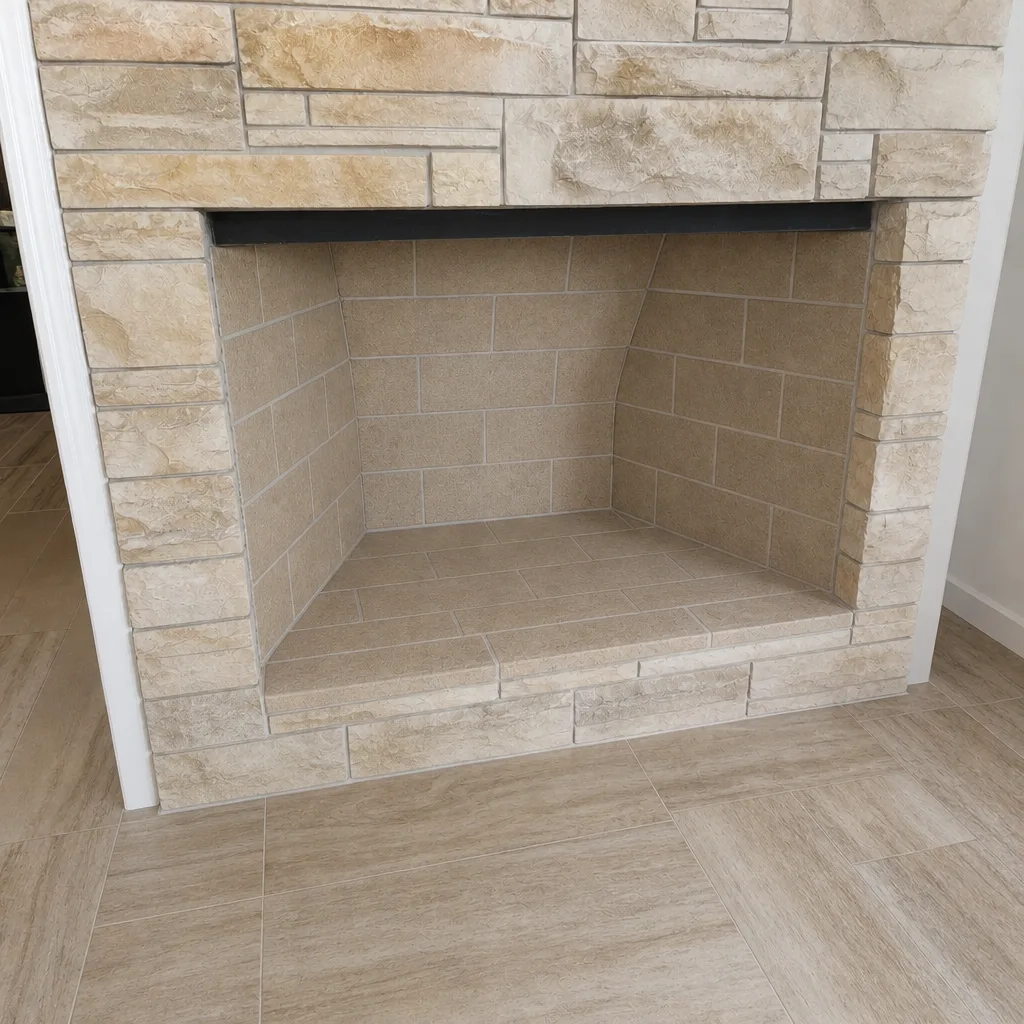
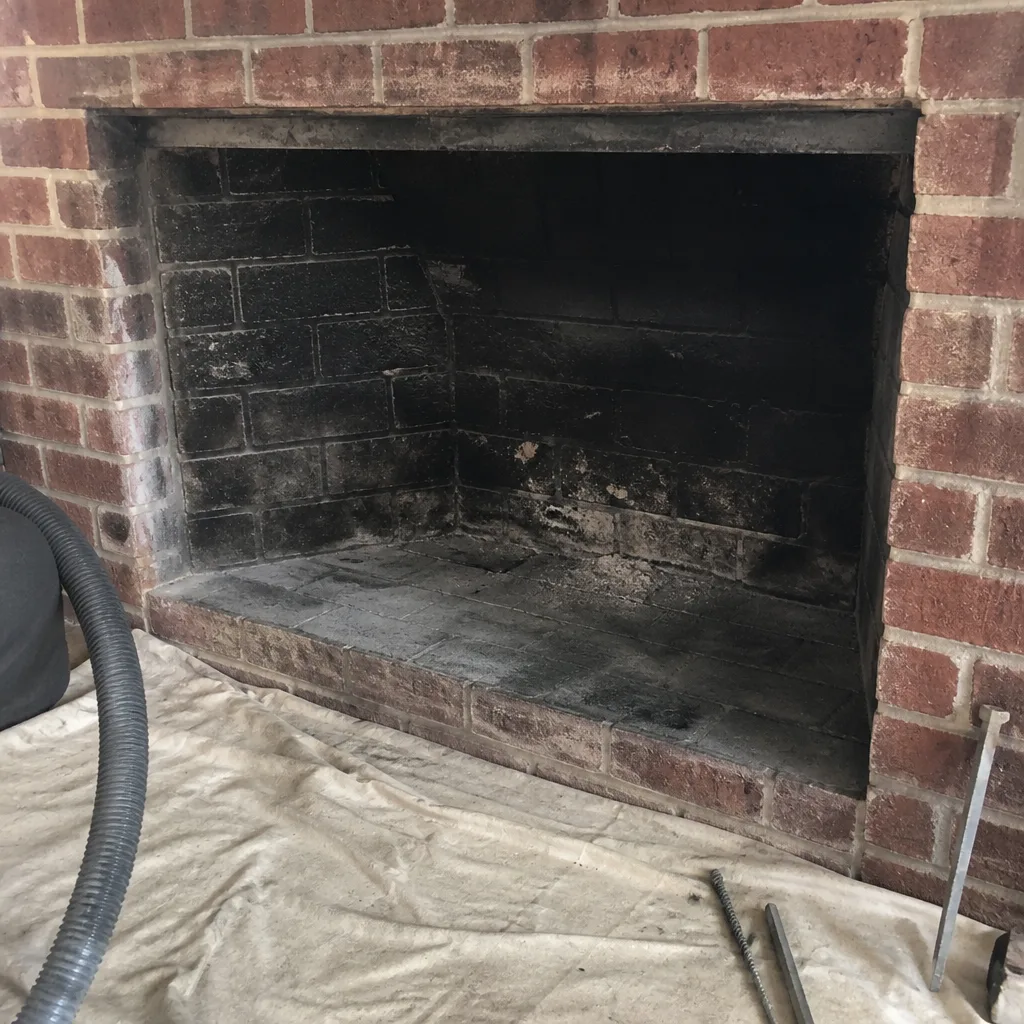
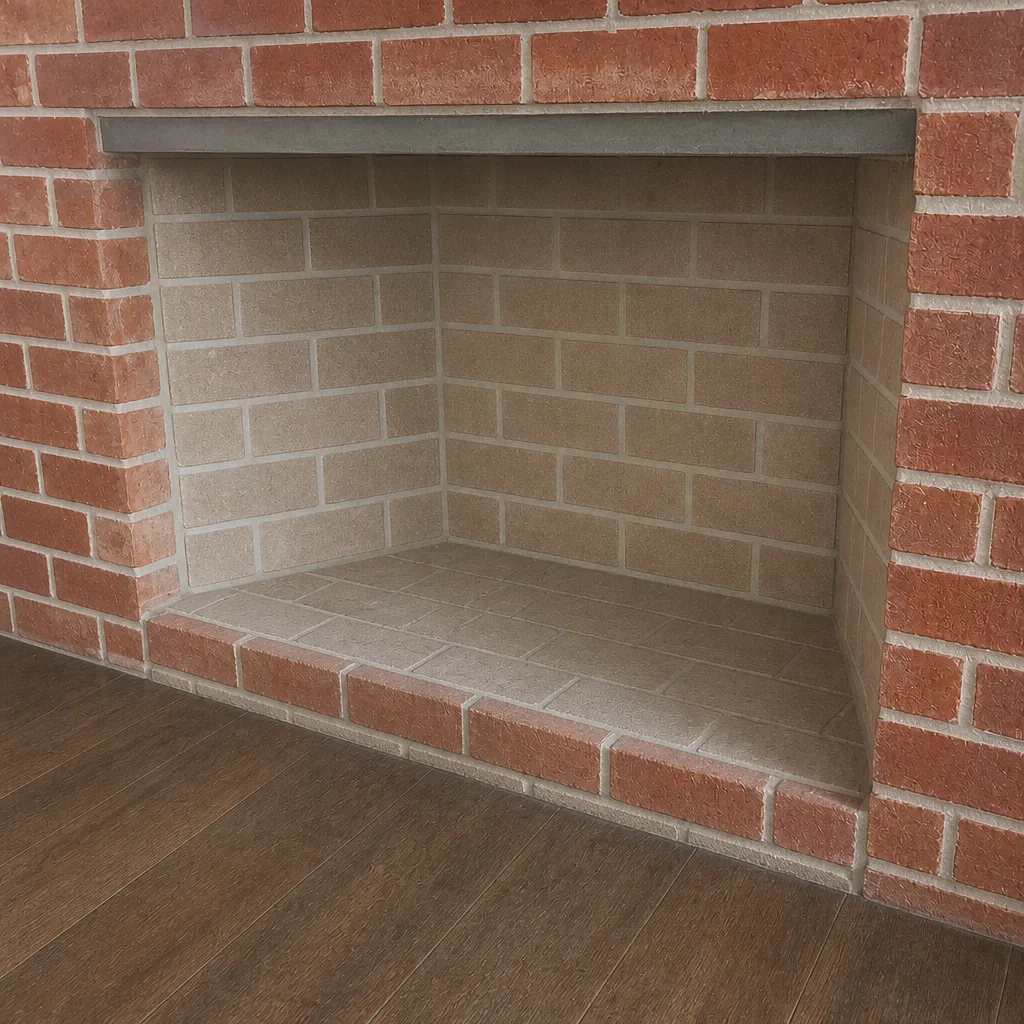
See the difference
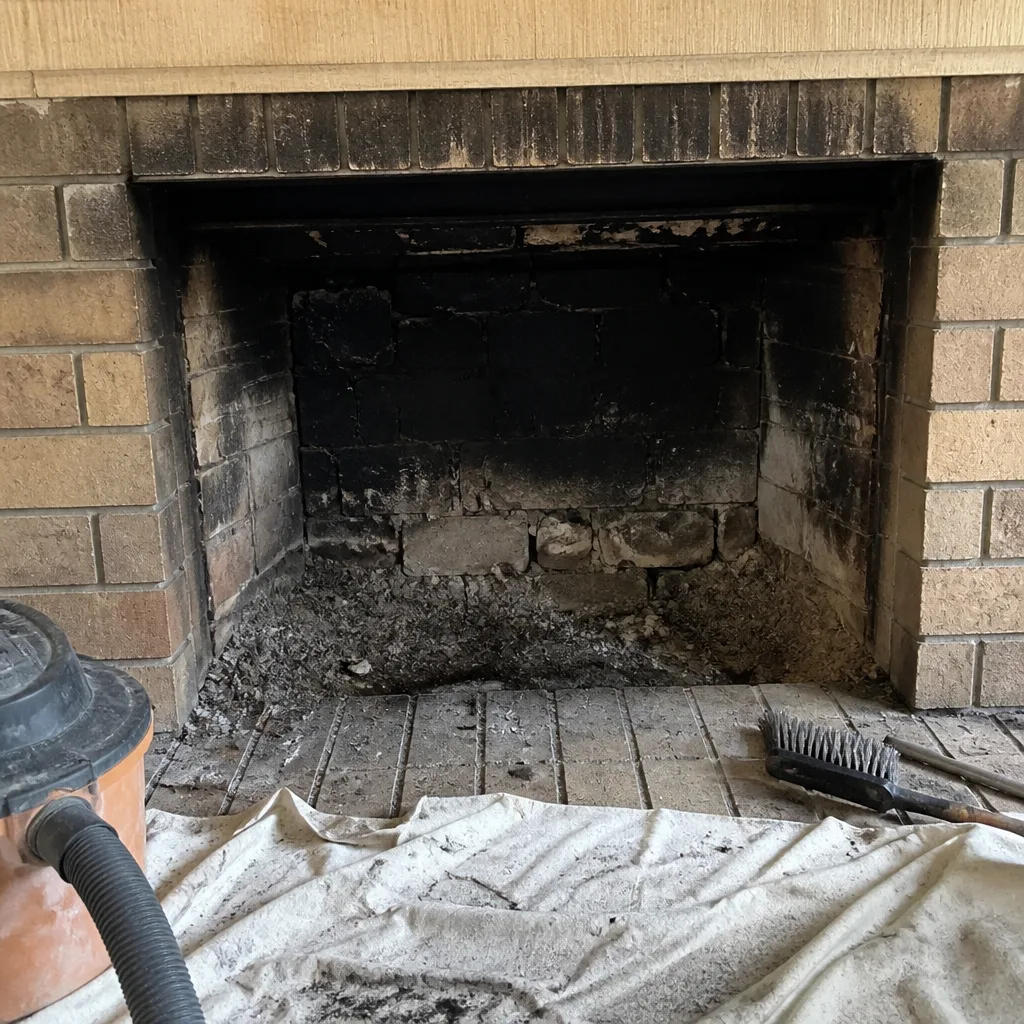 Before
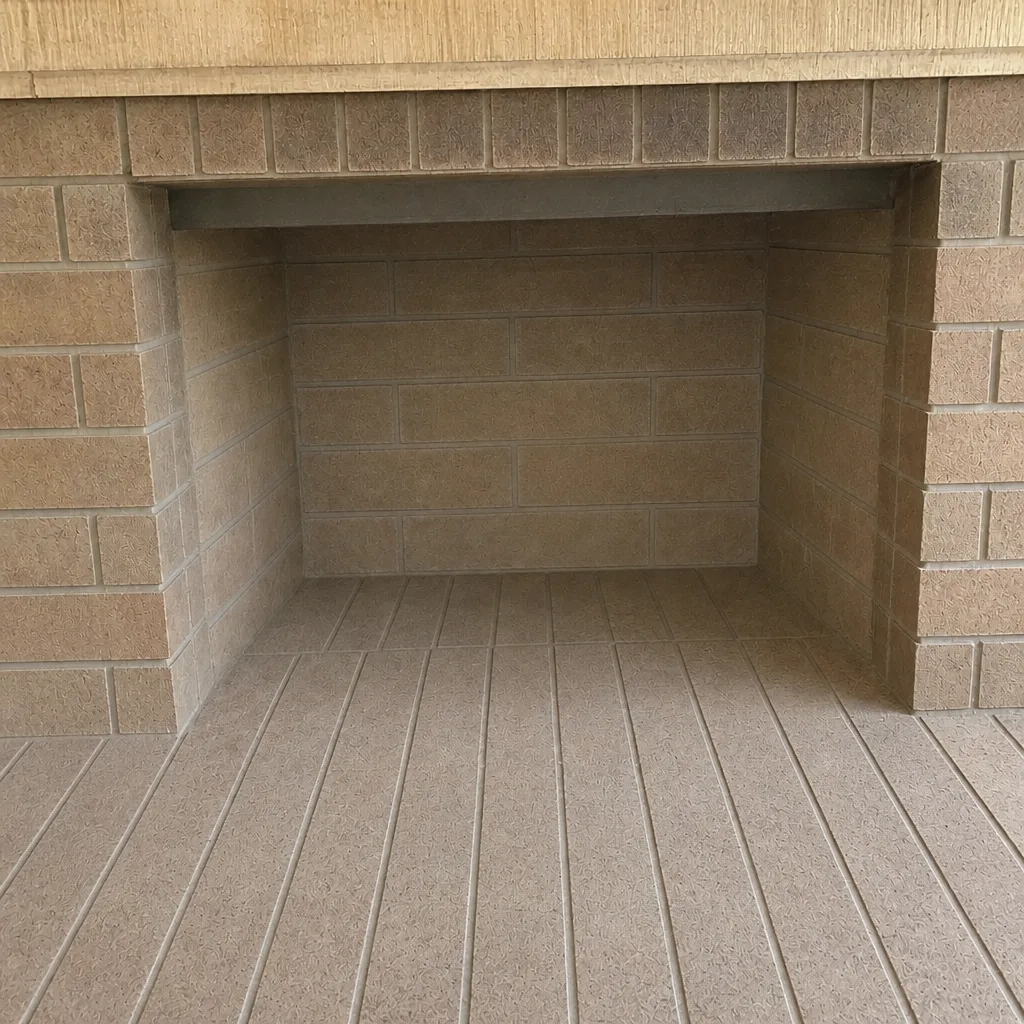 After
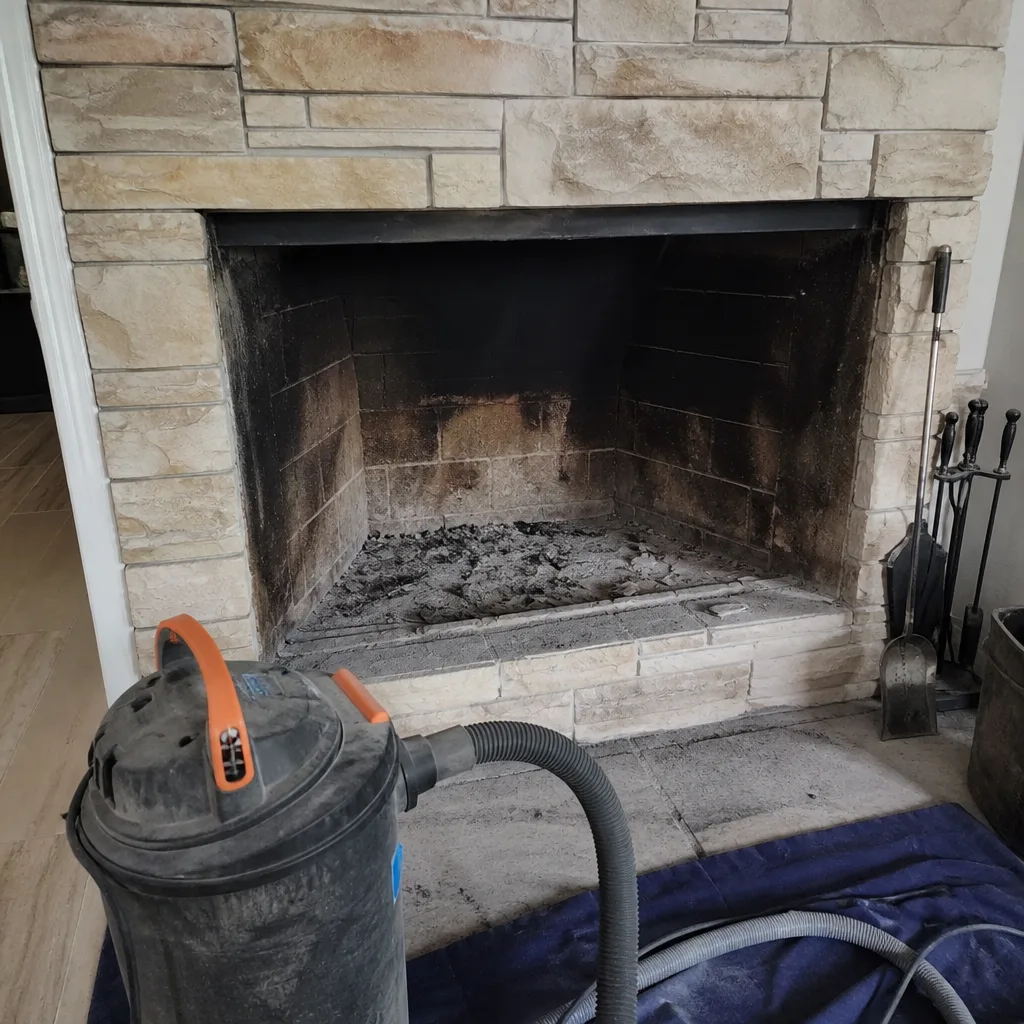 Before
 After
 Before
 After
When to Call a Professional
Call a professional when you’re unsure whether your chimney work requires a permit, when you’re buying or selling a home with a wood-burning fireplace, or when you’ve had a chimney fire or storm event and need a Level 2 inspection. Call when the crown or cap looks damaged and you want it assessed before the next storm. Call if you’ve never had the flue inspected with a camera and you don’t know its condition. And call if a previous contractor recommended work without showing you evidence.
We’re Unity Chimney Sweep, and we do inspection, sweeping, and repair as a continuous service. Our technicians have up to 11 years of experience. Unity Chimney Sweep offers free estimates in Port St. Lucie. Call (844) 990-3838. We answer 24/7. Fast dispatch from 7am to 7pm, Sunday through Friday.
Frequently Asked Questions
No. Standard chimney cleaning and inspection do not require a permit in Port St. Lucie. A permit becomes relevant when the work changes the structural makeup of the chimney or the venting system, such as a liner replacement or firebox rebuild. Call (844) 990-3838 for an exact quote on an inspection or sweep. Estimates are free.
Liner replacement, firebox rebuild, gas insert installation, crown replacement when it affects the structure, and load-bearing masonry repair typically require a permit. Minor tuck-pointing and like-for-like cap replacement usually don’t. If you’re unsure which category your repair falls into, an inspection report gives you a clear scope to take to the county. Call (844) 990-3838 for an exact quote. Estimates are free.
A Level 2 inspection is a thorough check under NFPA 211 that includes a video scan of the entire flue interior plus accessible portions of the chimney exterior and surrounding structure. It’s the level most often tied to real estate transactions and post-event assessments. It matters because it catches hidden damage a visual check would miss. Call (844) 990-3838 for an exact quote. Estimates are free.
Chimney sweeping is priced by job, and you get a written estimate before any work begins. The final cost depends on the flue configuration, the level of creosote buildup, and whether an inspection is included. The written estimate sets the final price. Call (844) 990-3838 for an exact quote. Estimates are free.
A sweep is enough only if the flue is intact. If the Level 2 video scan shows cracks, gaps between tiles, or deteriorated liner material, then the flue isn’t safe to vent through and a liner repair becomes necessary. We don’t recommend relining without camera evidence you can see. If the flue is sound, we’ll tell you that and recommend the sweep only. Call (844) 990-3838 for an exact quote. Estimates are free.
Chimneys should be inspected annually and swept whenever creosote buildup reaches a level that requires removal. Skipping it allows creosote to accumulate and creates a chimney fire risk, and it also allows small cracks and water intrusion to progress into work that needs a permit. Getting ahead of it keeps the job in the no-permit category. Call (844) 990-3838 for an exact quote. Estimates are free.
The Bottom Line
The permit question isn’t a technicality; it’s a record. Cleaning and inspection don’t require it, and liner replacement, firebox rebuild, and insert installation generally do. Florida’s wind-load requirements make caps and crowns structural, so they can’t be treated as cosmetic. A Level 2 inspection is required during home sales, after a chimney fire, and after any event likely to have damaged the chimney. The cost of getting this wrong isn’t the permit fee. It’s an unpermitted improvement that surfaces years later during a sale. That’s why a full-service company matters: one inspection, one scope, one point of contact, and documentation that holds up. We work with product lines including Olympia Chimney and DuraFlex because spec-grade materials survive what Port St. Lucie weather does to a chimney. Call (844) 990-3838 for a free estimate. We answer 24/7. Fast dispatch from 7am to 7pm, Sunday through Friday.
Written by the team at Unity Chimney Sweep.